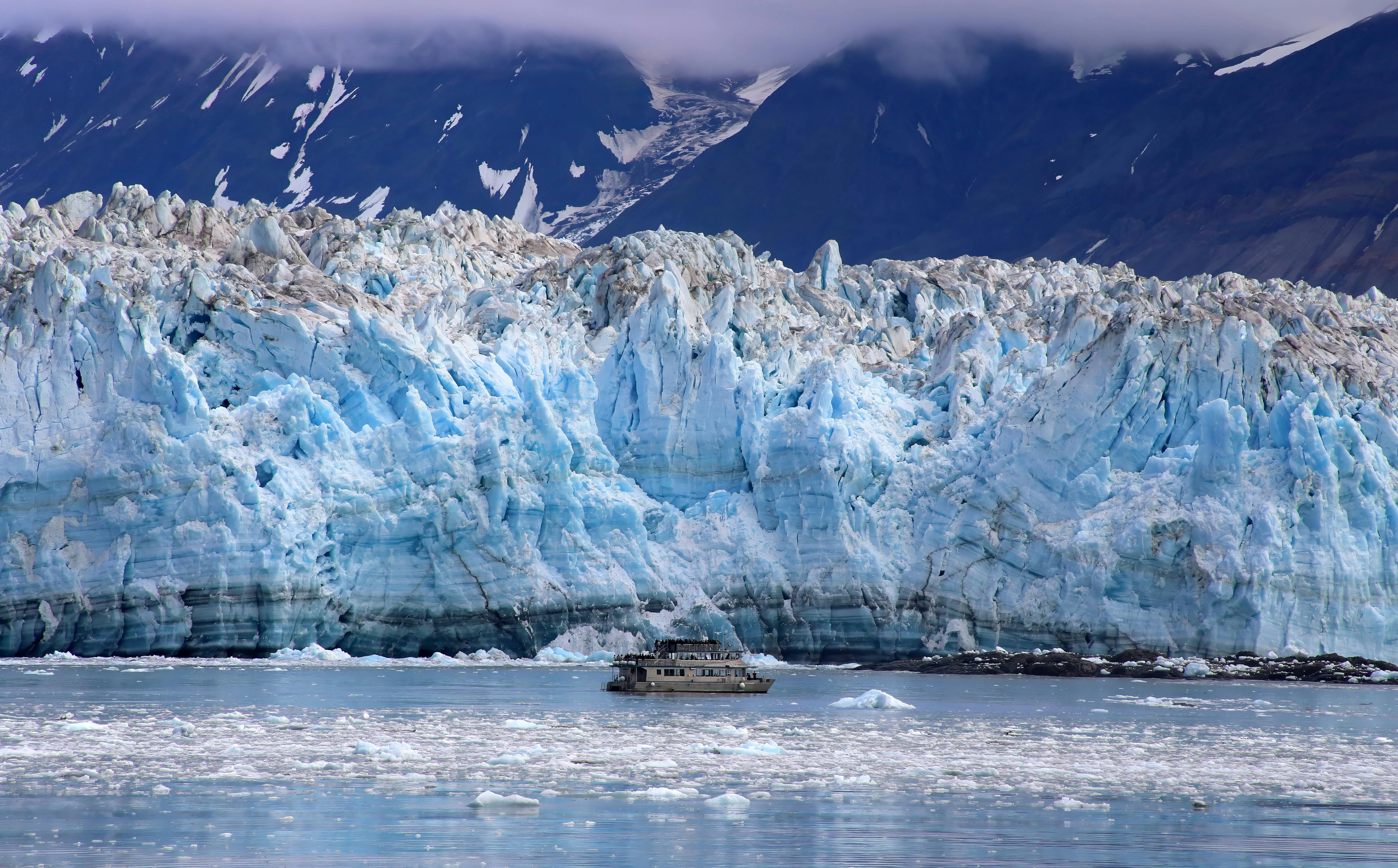
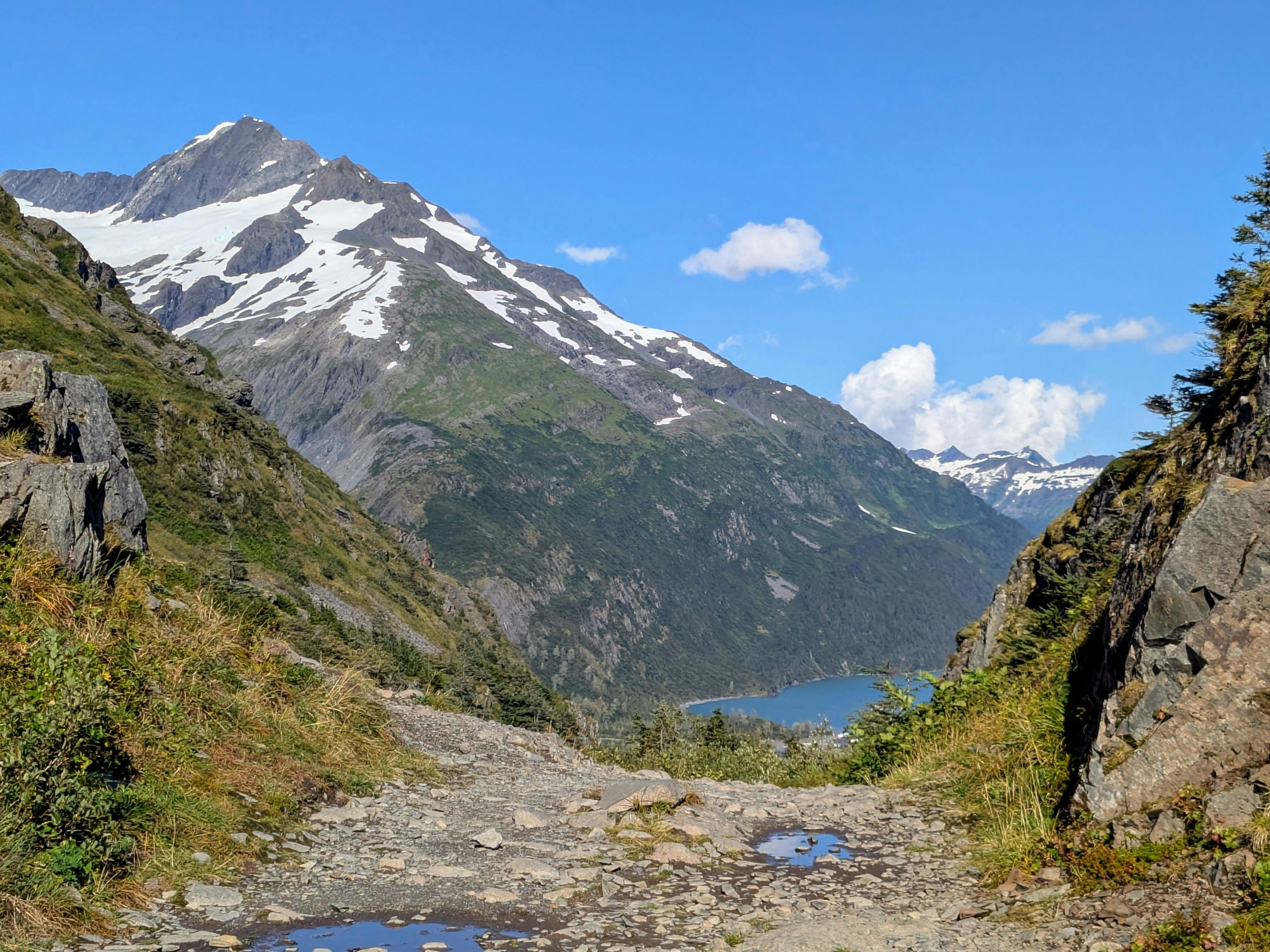
Planning a journey through Southeast Alaska and keen to explore places beyond the usual cruise ports? Wrangell may be small in size, but it delivers a deeply layered experience shaped by Indigenous heritage, frontier history and raw wilderness. Set on Wrangell Island at the edge of the Tongass National Forest, this quiet Alaskan town offers an intimate introduction to the landscapes and cultures that define the region.
For travellers who value meaningful encounters, scenic waterways and stories that stretch back thousands of years, Wrangell provides a refreshing contrast to Alaska's busier ports. Whether you arrive by small ship, ferry or as part of a broader Alaska itinerary, this understated town rewards curiosity and unhurried exploration.
Fun Trivia About Wrangell
- Wrangell is one of the oldest non Indigenous settlements in Alaska, originally established as a Russian trading post in 1834
- The town sits beside the Stikine River, one of the fastest flowing rivers in North America
- Wrangell has changed national flags four times under Tlingit, Russian, British and American rule
- The nearby Petroglyph Beach features mysterious rock carvings that predate recorded Tlingit history
Where Culture and Landscape Intertwine
Wrangell's identity is inseparable from the land and water that surround it. Dense rainforest, glacial rivers and tidal channels shape daily life here, just as they have for centuries. Unlike larger ports, Wrangell feels lived in rather than curated. The different regions of Alaska each offer their own distinct character, with Southeast Alaska's temperate rainforest setting it apart from the state's more rugged interior. Fishing boats share the harbour with floatplanes and the town's pace reflects seasonal rhythms rather than tourism schedules.
The Stikine River is central to Wrangell's story. Long before European contact, it served as a vital trade and travel route for the Tlingit people, connecting the coast to the interior. Today, jet boat excursions and wildlife cruises follow the same path, offering travellers a chance to witness bald eagles, bears and dramatic river scenery.
"Wrangell felt like stepping into real Alaska. Quiet, welcoming and deeply connected to nature." – Hannah L., 2022
Tlingit Heritage and Living History
Wrangell stands on traditional Tlingit land, and the Kiks.ádi clan continues to play an active role in preserving cultural knowledge and traditions. One of the most striking landmarks is the Chief Shakes Tribal House, located on Shakes Island near the harbour. This clan house is both a ceremonial space and a powerful symbol of continuity, showcasing classic Tlingit formline design and storytelling through art.
Nearby, Kiks.ádi Totem Park features carved totem poles that recount clan histories, social status and ancestral legends. These are not relics of a distant past but living expressions of identity that remain deeply meaningful to the community today.
The Wrangell Museum, which also serves as the town's visitor centre, offers a thoughtfully curated introduction to local history. Highlights include ancient Tlingit house posts, woven baskets, masks and artefacts that trace Wrangell's transformation from Indigenous settlement to Russian outpost and later American town.
Petroglyph Beach and Ancient Mysteries
Just north of town lies Petroglyph Beach State Historic Site, one of Wrangell's most intriguing cultural attractions. At low tide, visitors can spot rock carvings etched into the shoreline, their origins still debated by historians and archaeologists. Some designs resemble Tlingit motifs, while others appear far older, hinting at cultures that predate known settlement patterns.
Walking the beach in search of these carvings is a quiet, reflective experience. Replicas near the boardwalk allow visitors to appreciate the designs without disturbing the originals, reinforcing Wrangell's commitment to respectful travel and preservation. Similar mysteries await discovery at Canada's national parks, where ancient Indigenous sites reveal equally compelling stories of cultural heritage.
Wildlife Encounters in Southeast Alaska
Wrangell is a prime base for experiencing Alaska wildlife in its natural habitat. The surrounding waterways support healthy populations of humpback whales, orcas, sea lions and harbour seals. On land, black bears, wolves and Sitka black tailed deer roam the forests, while bald eagles are a constant presence along the shoreline.
The nearby Stikine-LeConte Wilderness is particularly renowned for wildlife viewing. River trips often combine scenic cruising with opportunities to spot bears fishing along the banks or eagles nesting in tall spruce trees.
"Seeing bears along the Stikine River was unforgettable. It felt wild and completely unspoilt." – Mark T., 2023
Exploring the Tongass National Forest
Although Wrangell is often associated with the more famous Wrangell-St Elias National Park, it is actually bordered by the Tongass National Forest, a temperate rainforest of staggering scale and biodiversity. Moss covered trees, salmon streams and misty fjords define this landscape, making it ideal for guided hikes, kayaking and photography.
Forest trails near town provide easy access for short walks, while longer excursions venture deeper into remote terrain. The Tongass also plays a vital role in climate regulation and salmon ecosystems, making it a place of both ecological and cultural importance. These pristine landscapes share similarities with the coastal wilderness of British Columbia, where towering forests meet dramatic shorelines.
Small Town Life and Unexpected Delights
Wrangell's compact layout makes it easy to explore on foot. The downtown area slopes gently uphill from the harbour, with local cafés, galleries and stores scattered along the way. There is a single hotel near the docks, reinforcing the town's small scale, but accommodation options across Southeast Alaska allow Wrangell to be paired with other destinations.
One unexpected highlight is Muskeg Meadows Golf Course, a nine hole course known as much for its scenery as for its mischievous ravens, which have a habit of stealing golf balls. Friendly rivalries with neighbouring Petersburg add a playful layer to local life.
Expert Travel Tips for Visiting Wrangell
- The best time to visit Wrangell is between May and September, when daylight hours are long and wildlife activity is at its peak
- Pack waterproof layers, as Southeast Alaska is known for frequent rainfall even in summer
- Check tide charts before visiting Petroglyph Beach to ensure carvings are visible
- Wildlife viewing is best with local guides who understand animal behaviour and safety protocols
- Australians should review current advice on the Smart Traveller website before travelling to Alaska
References
Wrangell may not shout for attention, but it leaves a lasting impression. For travellers drawn to authentic Alaska experiences, this small town offers a powerful combination of Indigenous culture, frontier history and pristine wilderness. Picture yourself watching eagles soar above the Stikine River while ancient petroglyphs whisper stories from the shore below — our Alaska travel packages bring these unforgettable moments together.
.png?auto=format)