Malaysia’s Cultural Heritage Trail: Kuala Lumpur, Malacca and Penang
Posted by on 25 Oct 2025
Planning a trip to Malaysia that offers more than sun and sand? Discover a journey of deep multicultural history, architectural gems and street-food legends as you traverse Kuala Lumpur, Malacca and Penang. This is a rich, layered experience of Malaysia’s unique blend of Malay, Chinese and Indian influences. With Entire Travel Group’s Malaysia holiday packages you’ll follow a well-designed heritage trail, balancing city hustle, historic streets and island charm.
Trip Highlights
Explore Kuala Lumpur’s skyline and heritage districts, from the Batu Caves to colonial-era architecture
Visit the UNESCO-listed cities of Malacca (Melaka) and George Town, Penang, celebrating centuries of trade and cultural exchange
Sample Malaysia’s multicultural cuisine, from Malay nasi lemak and Chinese dim sum to Indian dhal and Peranakan flavours
Wander the shophouses, street art and artisan cafés of Penang, and riverside facades and Portuguese-Dutch ruins in Malacca
Travel with ease through this cultural trail via Entire Travel Group’s independent holiday packages that let you linger, explore and savour the heritage in depth
Kuala Lumpur: Malaysia’s Urban & Cultural Crossroad
Why Kuala Lumpur sets the scene
Malaysia’s modern capital, Kuala Lumpur, seamlessly blends towering glass-and-steel structures with rich cultural districts and street-level vibrancy. It acts as the perfect introduction to Malaysia’s multi-ethnic identity. The city’s layout reflects a nation embracing both progress and tradition. A travel highlight is the multicultural mix of Malay, Chinese and Indian communities that shape food, religion, festivals and daily life across urban Kuala Lumpur.
Key experiences in Kuala Lumpur
Visit the imposing Batu Caves, a Hindu shrine set in limestone cliffs with rainbow-coloured steps and rock-wall temples.
Walk through iconic city sites such as the Petronas Twin Towers, Merdeka Square and the Sultan Abdul Samad Building, all landmarks in Malaysia’s architectural story.
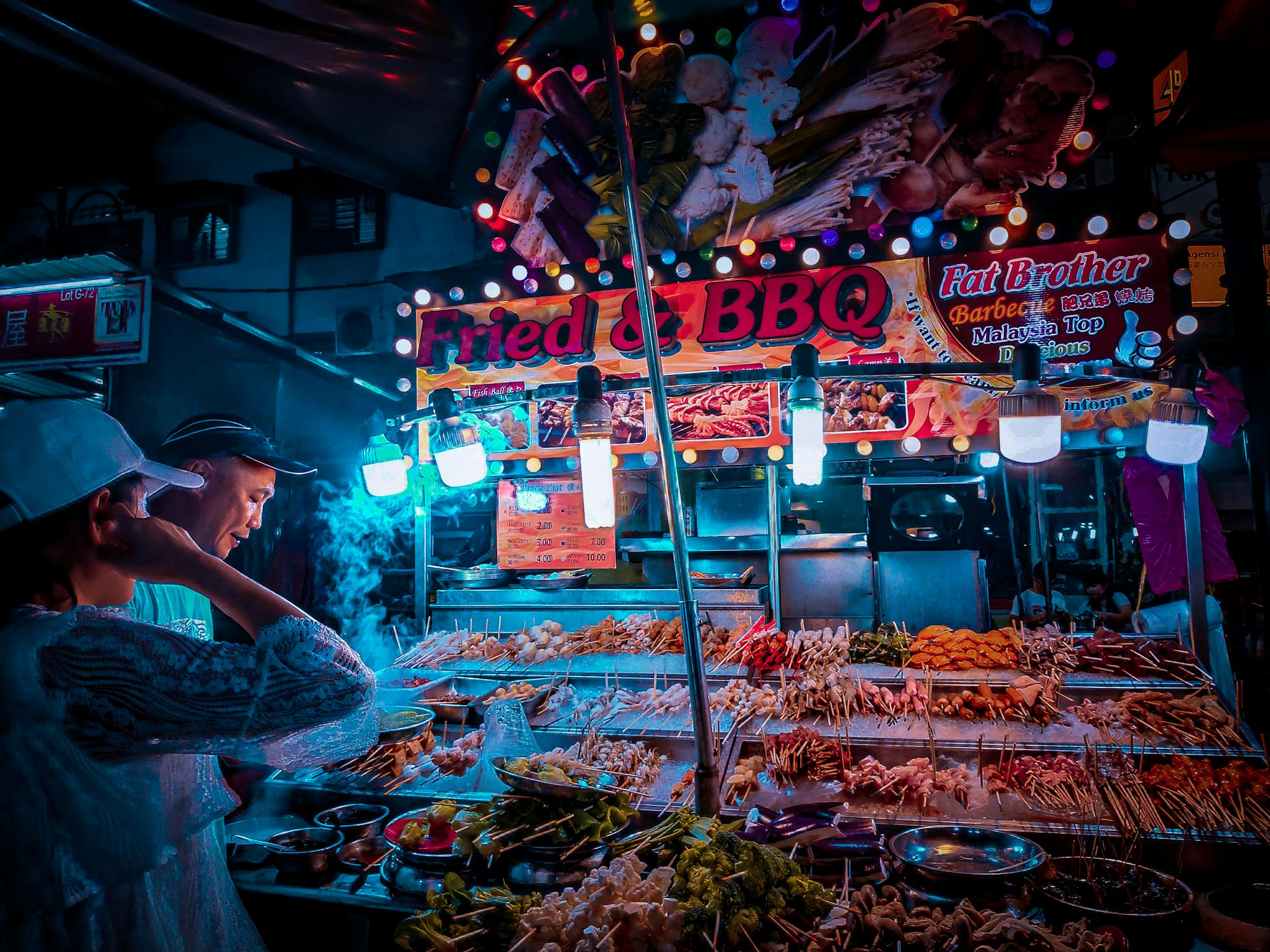
Sample street-food in Jalan Alor or Kuala Lumpur’s Chinatown, where you’ll find nasi lemak, roti chanai and char kway teow just steps from high-rise viewing decks.
Discover the colonial legacy in the old district (Kuala Lumpur old rail station, heritage buildings) and contrast it with the ultra-modern precincts such as KL CC.
Spend time in a local market or street bazaar, engaging with local vendors and artisans who reflect the city’s ethnic variety.
Kuala Lumpur is more than a stopover; it’s the cultural heartbeat of your trail, providing context for what follows in Malacca and Penang.
Malacca (Melaka): A Living Legacy of Trade & Tradition
The story of Malacca
The city of Malacca (also spelled Melaka) is a microcosm of Malaysia’s trading history, where Malay sultanates, Portuguese, Dutch and British all left architectural and cultural imprints. Inscribed as a UNESCO World Heritage Site for its “succession of historic and cultural influences” arising from its role as a key gateway on the Straits of Malacca.
What to see & do in Malacca
Wander the waterfront of Malacca River, past old shophouses, street art and riverside cafés.
Visit the ruins of St Paul’s Church and A Famosa, early Portuguese forts that speak of colonial determination and multicultural fusion.
Explore Jonker Street’s Friday and Saturday night market for antiques, art and Nyonya cuisine—a blend of Peranakan Malay-Chinese heritage.
Attend a cultural performance or visit local craft workshops where batik, wood-carving and heritage trades are alive and thriving.
Trace the intangible heritage of Malaysia: in Malacca you’ll see how breakfast culture, dress traditions (kebaya) and multi-ethnic dining shape everyday life.
Malacca invites you to slow down, absorb history, and witness how intercultural exchange can create something vibrant and lasting.
Penang: Multi-Ethnic Mosaic and Heritage Island
Why Penang matters on the trail
Located on Malaysia’s northwest coast, Penang combines island charm with heritage city atmosphere. Its capital, George Town, is part of the UNESCO-inscribed group with Malacca and reflects 500 years of trade, migration and cultural layering.
Penang is perhaps where Malaysia’s multicultural heritage shines brightest: Malay, Chinese, Indian and Peranakan communities are intertwined in neighbourhoods, temples, street food stalls and festivals.
Highlights in Penang
Walk through George Town’s heritage zone, filled with British colonial buildings, Chinese clan houses, mosques and Hindu temples.
Discover the famous street-art trail—murals and iron-rod artworks portray Penang life, often in multi-cultural contexts.
Indulge in Penang’s street-food scene: hawker tables serve laksa, char kway teow, nasi goreng and Indian-Malay spice blends—this is often called one of Asia’s premier food cities.
Visit Penang Hill and its colonial funicular for panoramic views, or wander through spice gardens that reflect the island’s history of trade and cuisine.
Engage with local craft and culture: explore clan museums, Peranakan homes and artisan workshops that show how heritage is lived as much as seen.
Penang merges vibrant heritage with modern comfort, making it a powerful final stop on the cultural heritage trail.
The Cultural Heritage Trail in Motion
Connecting the dots
From Kuala Lumpur’s modern-heritage contrast, to Malacca’s riverside trade legacy, to Penang’s immersive multi-ethnic mosaic; you’re not just visiting destinations, you’re travelling through Malaysia’s cultural narrative. The heritage trail follows geography and chronology, yet also lets you move at your own pace, stay in immersive accommodations and engage with local people and traditions.
Sample 10-day itinerary
Days 1-2: Arrive in Kuala Lumpur, city tours, street‐food nights
Days 3-4: Head to Malacca—heritage town stay, river walk, market night
Days 5-7: Fly or transfer to Penang; heritage walks, food tours, island views
Days 8-10: Unwind in Penang, explore community heritage, luxury stay, return from Penang or Kuala Lumpur
Throughout you’ll stay in boutique properties aligned with heritage flavour, book cooking classes in cities or seaside kitchens, attend local festivals or craft workshops and savour food that reflects the region’s layered past.
Explore our travel packages to view curated Malaysia heritage-trail itineraries.
Expert Travel Tips
Best travel seasons: Malaysia’s tropical climate means it’s visitable year-round, but the most comfortable months for walking and exploration are March to May and September to October.
Getting around: Travel between Kuala Lumpur, Malacca and Penang is easy via domestic flights or highway transfers. Within cities, walking tours and trishaws are ideal for heritage zones.
Cultural etiquette: When visiting temples, mosques or churches, dress modestly and remove shoes when required. Always ask before taking photos of locals.
Food etiquette: Eating with your right hand is customary in Malay and Indian settings. Sharing dishes is common, so try a variety when dining with others.
Support local artisans: Buy souvenirs directly from craftspeople, and choose heritage hotels that preserve Malaysia’s architectural legacy.
Stay connected: Free Wi-Fi is common in cafés and hotels, but carrying a local SIM helps when navigating heritage districts.
Frequently Asked Questions
What is the best time to visit Malaysia for heritage and culture?
Malaysia’s tropical climate allows travel throughout the year. For more comfortable outdoor exploring in heritage towns choose March to May or September to October, when rainfall is moderate.
What visa or entry requirements apply to Malaysia?
Australian passport holders can enter Malaysia visa-free for tourist stays of up to 90 days. Always check the latest requirements on the Smart Traveller website before travel.
How many days are needed for the heritage trail?
For Kuala Lumpur, Malacca and Penang you’ll ideally spend 8-10 days. This allows 2-3 nights in each location and time to engage with culture rather than just sightseeing.
Is Malaysia safe for solo or first-time travellers?
Yes. Malaysia’s main cities and heritage towns are safe and well-equipped for travellers. Standard travel precautions apply, including being aware of your surroundings in markets and late-night areas.
How important is food in Malaysia’s cultural heritage?
Very. Malaysia’s cuisine is a direct reflection of Malay, Chinese, Indian and Peranakan influences. Street-food culture, night markets and multi-ethnic dining form an essential part of the cultural experience.
What heritage sites are listed by UNESCO in Malaysia?
The joint site of Malacca and George Town is inscribed for its multicultural heritage and trading history.
Can the heritage trail be combined with nature or beach stays?
Absolutely. After your heritage cities you could add an island stay in Langkawi, Sabah or the Perhentians, or rainforest time in Borneo. Entire Travel Group can coordinate these extensions.
What currency and language should I expect?
Malaysia uses the Malaysian Ringgit (MYR). English is widely spoken, especially in tourist areas. Local languages include Malay, Cantonese, Tamil—diversity is part of the charm.
References
Bringing It All Together
This heritage trail through Malaysia is more than sightseeing; it’s a discovery of how trade, migration and culture have shaped architecture, cuisine, communities and everyday life. In Kuala Lumpur you’ll sense national ambition meeting tradition; in Malacca you’ll walk streets that once connected the world via spice routes; in Penang you’ll taste dishes that tell migration stories and explore buildings that blend East and West.
With Entire Travel Group you’ll follow this trail with care, staying in thoughtfully chosen accommodations, engaging local guides and pacing your journey so culture and comfort go hand-in-hand.
Whether you’re strolling a heritage street, tasting a centuries-old family recipe or simply absorbing the rhythms of a multi-ethnic neighbourhood, Malaysia’s cultural heritage leaves a powerful imprint.