Palau Diving and Lagoon Travel Guide: Reefs, Wrecks and Marine Experiences
Posted by on 29 Aug 2026
Few destinations command as much respect among divers and marine enthusiasts as Palau. Located in the western Pacific Ocean, this island nation has earned a global reputation for extraordinary underwater biodiversity, pristine reef systems and pioneering marine conservation efforts. Yet Palau is far more than a destination for experienced divers. Its lagoons, limestone islands, kayaking routes and wildlife encounters make it one of the Pacific's most rewarding destinations for travellers seeking meaningful nature-based experiences.
For those researching Palau diving holidays or planning a broader Pacific adventure, understanding the diversity of experiences available is essential. From drift diving through channels filled with sharks and rays to kayaking among limestone rock islands and exploring historic WWII wreck sites, Palau offers remarkable opportunities both above and below the waterline.
What truly distinguishes Palau is its commitment to environmental protection. The country's conservation initiatives have helped preserve some of the healthiest marine ecosystems in the world, ensuring that future generations can continue to experience the natural wonders that attract visitors today.
Fun Facts
Palau protects approximately 80 per cent of its marine territory through the Palau National Marine Sanctuary.
Jellyfish Lake was once home to millions of non-stinging jellyfish that evolved in isolation from the ocean.
Palau's Rock Islands Southern Lagoon is recognised as a UNESCO World Heritage Site.
More than 1,300 species of fish and hundreds of coral species have been recorded in Palau's waters.
Several WWII shipwrecks and aircraft wrecks remain preserved beneath Palau's lagoons.
Why Is Palau Considered One of the World's Best Marine Destinations?
What Makes Palau Different from Other Pacific Islands?
Many Pacific destinations offer beautiful beaches and coral reefs, but Palau combines exceptional biodiversity with a strong conservation ethic and an extraordinary range of marine environments.
Visitors can experience coral gardens, deep ocean channels, hidden lagoons, limestone islands and historical underwater sites within a relatively compact area. This diversity allows travellers to enjoy a wide range of experiences without spending extensive time moving between locations.
For those seeking marine travel experiences in Palau, the destination provides a balance of adventure, education and environmental awareness.
Why Is Marine Conservation Central to the Palau Experience?
Palau has become an international leader in marine protection. Visitors entering the country are required to sign the Palau Pledge, committing to environmentally responsible behaviour during their stay.
This conservation-first approach shapes everything from diving regulations to wildlife encounters. Rather than simply enjoying the environment, travellers become participants in its protection.
The result is a destination where tourism and conservation work together to support long-term sustainability.
What Are the Best Diving Experiences in Palau?
Why Is Palau a Bucket-List Destination for Divers?
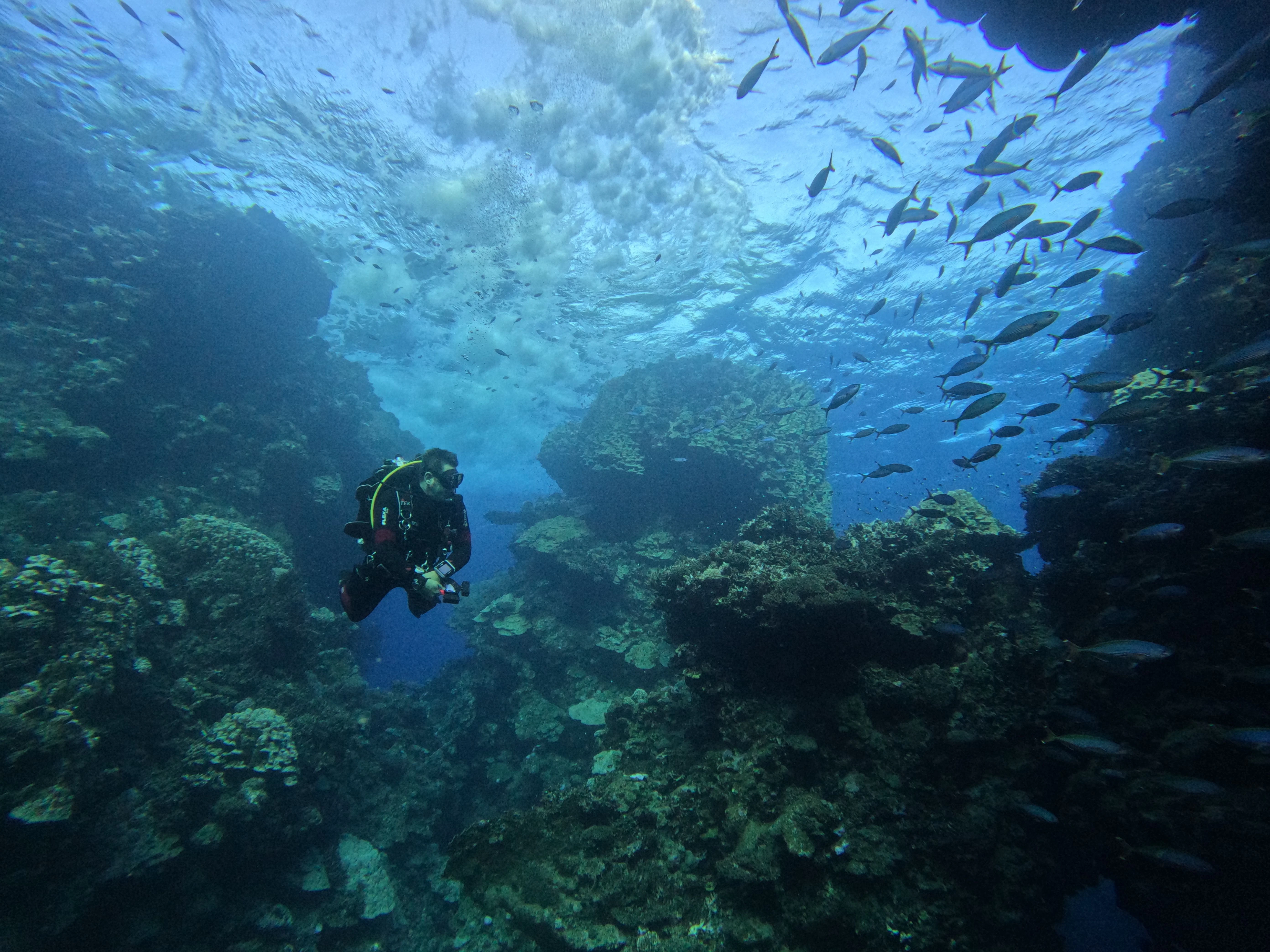
Among experienced divers, Palau diving is often regarded as one of the world's premier underwater experiences. Strong currents, thriving coral reefs and abundant marine life create conditions that attract divers from across the globe.
The variety of dive sites allows visitors to experience everything from shallow coral gardens to dramatic drop-offs and underwater channels.
This diversity ensures that both experienced divers and those newer to the sport can find suitable and rewarding experiences.
What Makes Blue Corner Palau's Most Famous Dive Site?
Blue Corner is frequently ranked among the best dive sites in the world. Located along the edge of a reef plateau, the site attracts large schools of fish along with reef sharks, barracuda, turtles and eagle rays.
Divers often use reef hooks to safely observe marine life while suspended above the reef edge. The concentration of marine activity creates an unforgettable underwater spectacle.
For many visitors, Blue Corner becomes the highlight of their Palau diving holiday.
Why Should Divers Visit German Channel?
Originally modified during the German colonial period, German Channel has become one of Palau's most famous marine encounters.
The channel acts as a cleaning station where manta rays gather to have parasites removed by smaller fish. Divers often observe these graceful creatures gliding through the water with remarkable elegance.
Marine life sightings vary throughout the year, but manta ray encounters remain one of the destination's most sought-after experiences.
Which Reef Systems Should Travellers Explore?
What Makes Palau's Coral Reefs So Healthy?
Palau's reefs benefit from strong environmental protections, limited development and effective conservation policies. These factors have helped preserve coral ecosystems that remain among the healthiest in the Pacific.
Visitors can encounter vibrant hard corals, soft corals and reef systems that support extraordinary biodiversity.
The health of these reefs contributes directly to the abundance of marine life found throughout the country.
Where Can Snorkellers Experience Palau's Marine Life?
Not every visitor needs to be a diver to appreciate Palau's underwater world. Many lagoon environments and reef areas are accessible to snorkellers.
Protected waters provide opportunities to observe colourful fish, coral formations and occasionally larger marine species without requiring specialised diving certification.
For families and casual marine enthusiasts, snorkelling offers an excellent introduction to Palau's marine ecosystems.
Why Are Reef Ecosystems Important to Palau?
Coral reefs support fisheries, protect coastlines and provide habitat for countless marine species. They also contribute significantly to tourism and local livelihoods.
Understanding the ecological importance of these environments helps visitors appreciate why conservation remains such a high priority throughout Palau.
What Makes Jellyfish Lake One of Palau's Most Famous Attractions?
Why Is Jellyfish Lake Unique?
Jellyfish Lake became internationally famous because of its population of non-stinging golden jellyfish. Isolated from the ocean over thousands of years, these jellyfish evolved without many of the defensive mechanisms found in their ocean-dwelling relatives.
Swimming among large numbers of jellyfish created one of the world's most unusual wildlife encounters.
How Has Conservation Impacted Jellyfish Lake?
Environmental conditions and climate-related factors have influenced jellyfish populations in recent years, leading to periodic closures and management measures.
These conservation efforts highlight the challenges of protecting sensitive ecosystems while balancing tourism demand.
Visitors should check current access conditions when planning their trip.
What Can Travellers Learn from the Experience?
Jellyfish Lake demonstrates how fragile and interconnected natural ecosystems can be. It serves as a powerful reminder of the importance of responsible tourism and environmental stewardship.
How Can Visitors Explore the Rock Islands Southern Lagoon?
Why Is the Rock Islands Southern Lagoon a UNESCO World Heritage Site?
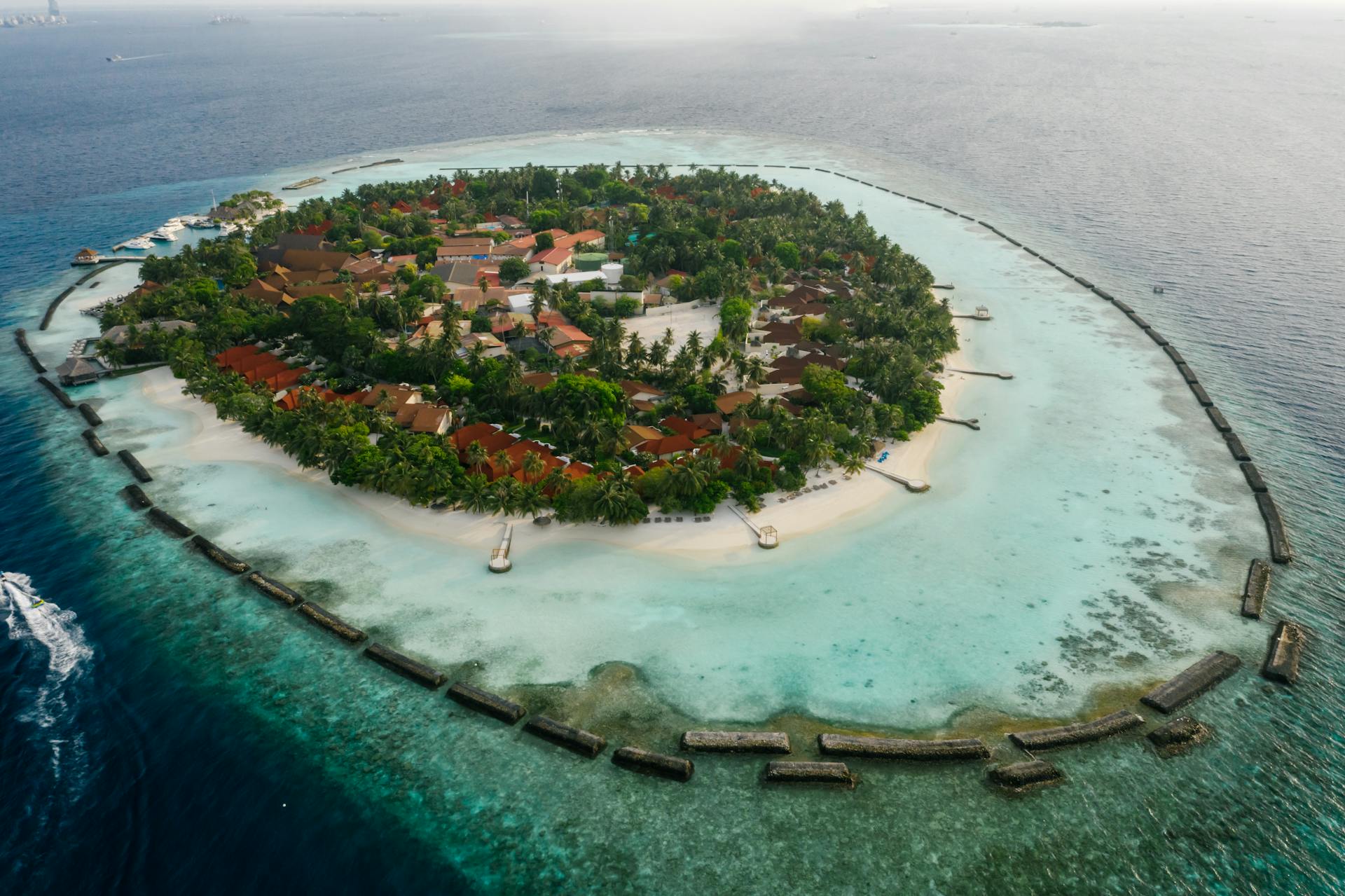
The Rock Islands Southern Lagoon represents one of the Pacific's most spectacular natural landscapes. Hundreds of limestone islands rise dramatically from turquoise waters, creating a maze of channels, hidden beaches and marine habitats.
The combination of geological significance and biodiversity contributed to its UNESCO recognition.
What Activities Are Popular in the Lagoon?
Travellers can explore the lagoon through:
Kayaking expeditions
Guided boat tours
Snorkelling excursions
Wildlife observation
Photography experiences
Each activity provides a different perspective on the area's remarkable natural beauty.
Why Is Kayaking One of the Best Ways to Explore?
Kayaking allows travellers to move quietly through the lagoon while accessing areas that larger boats cannot reach. The slower pace encourages deeper engagement with the environment and minimises ecological impact.
For many visitors, kayaking among the Rock Islands becomes one of the most memorable experiences in Palau.
What Can Travellers Discover at Palau's WWII Wreck Sites?
Why Does Palau Have So Many Historic Wrecks?
During World War II, Palau played a strategic role in military operations across the Pacific. Numerous ships and aircraft were sunk during battles in the region.
Today, many of these wrecks remain preserved underwater, creating a fascinating combination of history and marine life.
Which Wreck Sites Are Most Notable?
Several wrecks are accessible to experienced divers, including cargo ships, military vessels and aircraft.
Over time, coral growth and marine ecosystems have transformed these sites into artificial reefs, blending historical significance with ecological value.
Why Do Wreck Dives Offer a Unique Experience?
Wreck diving combines underwater exploration with historical storytelling. Divers can observe remnants of the past while witnessing how nature has reclaimed these structures.
This combination creates a distinctly different experience from traditional reef diving.
How Can Travellers Support Responsible Tourism in Palau?
What Is the Palau Pledge?
The Palau Pledge is a commitment signed by visitors upon arrival, encouraging responsible behaviour that protects the country's natural environment.
The pledge reinforces the idea that tourism should contribute positively to conservation efforts.
How Can Visitors Reduce Their Environmental Impact?
Travellers can support conservation by:
Using reef-safe sunscreen
Avoiding contact with coral reefs
Following wildlife viewing guidelines
Reducing plastic waste
Choosing responsible tour operators
Small actions collectively make a meaningful difference.
Why Does Sustainable Travel Matter Here?
Palau's tourism industry depends heavily on healthy marine ecosystems. Protecting these environments helps preserve biodiversity while supporting local communities and future visitors.
Expert Travel Tips
Travel between November and April for generally favourable diving visibility, calm seas and comfortable conditions for exploring Palau's world-renowned reefs, wrecks and marine reserves.
Bring reef-safe sunscreen and reusable water bottles to help minimise your environmental impact while protecting Palau's fragile coral ecosystems. Small choices can make a meaningful difference in preserving the islands' marine biodiversity.
Book popular dive excursions well in advance, particularly during peak travel periods, as sought-after sites such as Blue Corner, German Channel and Jellyfish Lake tours can fill quickly with certified divers and snorkellers.
Follow all conservation guidelines at marine sites and protected areas, including avoiding contact with coral, maintaining proper buoyancy while diving and respecting local regulations designed to protect marine life for future generations.
Include both underwater and above-water experiences to fully appreciate Palau's remarkable natural diversity. Complement diving adventures with kayaking through the Rock Islands, scenic boat cruises, cultural visits and coastal viewpoints for a more well-rounded itinerary.
Check your certification level before booking advanced dive sites, as some of Palau's famous locations feature strong currents that are best suited to experienced divers. Less experienced divers can still enjoy numerous sheltered reefs and guided snorkelling excursions throughout the archipelago.
Frequently Asked Questions
What is the best time to visit Palau for diving?
Many divers favour the period between November and April for favourable visibility and marine conditions.
Is Palau suitable for non-divers?
Yes. Snorkelling, kayaking, lagoon tours and wildlife experiences make Palau rewarding for non-divers as well.
Can you still visit Jellyfish Lake?
Access varies depending on environmental conditions and conservation measures. Current information should be checked before travel.
What marine animals can you see in Palau?
Visitors may encounter reef sharks, manta rays, turtles, dolphins and hundreds of fish species.
Is Palau good for snorkelling?
Yes. Many reef and lagoon environments offer exceptional snorkelling opportunities.
Why is Palau famous among divers?
Its biodiversity, reef health, underwater topography and iconic sites such as Blue Corner have earned international recognition.
Do I need advanced diving certification?
Some dive sites are suitable for recreational divers, while stronger-current sites may require more experience.
What is the Palau Pledge?
It is a conservation commitment signed by visitors upon arrival to encourage responsible tourism practices.
How many days should I spend in Palau?
Seven to ten days allows time to experience diving, lagoon exploration and cultural attractions at a comfortable pace.
Do Australians need a visa for Palau?
Entry requirements vary and should always be confirmed before departure.
References
Discover Palau's Extraordinary Marine World
From world-renowned dive sites and thriving coral reefs to historic wrecks and UNESCO-listed lagoons, Palau offers one of the Pacific's most remarkable marine travel experiences. Its commitment to conservation ensures that visitors can experience these environments while contributing to their long-term protection.
Whether you're exploring Blue Corner, kayaking through the Rock Islands or learning about the Palau Pledge, the destination provides a deeper connection to the natural world than many traditional island holidays.
Explore Our Travel Packages and discover how Entire Travel Group can help create a Palau journey that combines marine adventure, environmental awareness and unforgettable Pacific experiences.