Singapore Stopover Guide: What to See, Eat and Explore in 3–5 Days
Posted by on 17 Jul 2026
Why Is Singapore One of Asia’s Best Stopover Destinations?
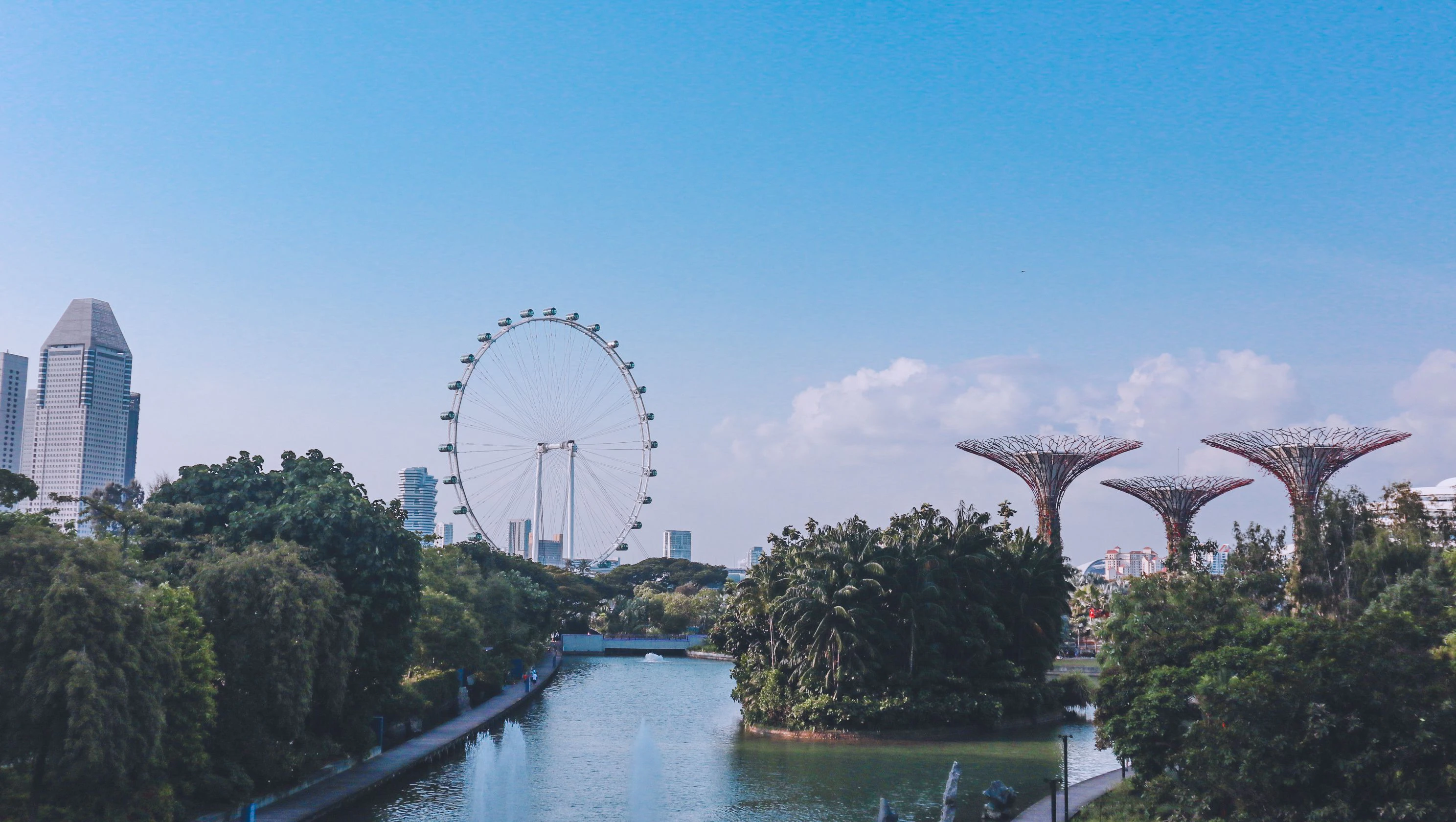
Few cities deliver as much variety in as little time as Singapore. Compact, efficient and endlessly layered, this island nation transforms a short transit into a rewarding experience. In just a few days, travellers can explore heritage precincts, dine at world-famous hawker centres, wander tropical gardens and venture into pockets of wild nature that sit surprisingly close to the skyline.
For those seeking a Singapore stopover itinerary that balances culture, cuisine and green space, three to five days offer ample opportunity to experience the city’s contrasts. Singapore is not merely a layover point but a destination that rewards curiosity.
Fun Facts
Chinatown and Kampong Glam sit just minutes apart, yet reflect entirely different cultural histories shaped by Chinese, Malay and Arab communities that helped build modern Singapore
Singapore’s hawker culture is recognised by UNESCO as intangible cultural heritage, celebrating everyday street food as a vital part of national identity
The Singapore Botanic Gardens is the country’s first UNESCO World Heritage Site and has played a significant role in orchid cultivation since the 19th century
Sentosa was once a military fortress known as Pulau Blakang Mati before transforming into one of Singapore’s most popular leisure islands
Pulau Ubin preserves one of Singapore’s last remaining kampong-style villages, offering a rare glimpse into the island nation’s rural past within easy reach of the city centre
What Can You Discover in Singapore’s Historic Neighbourhoods?
Chinatown: Layers of History
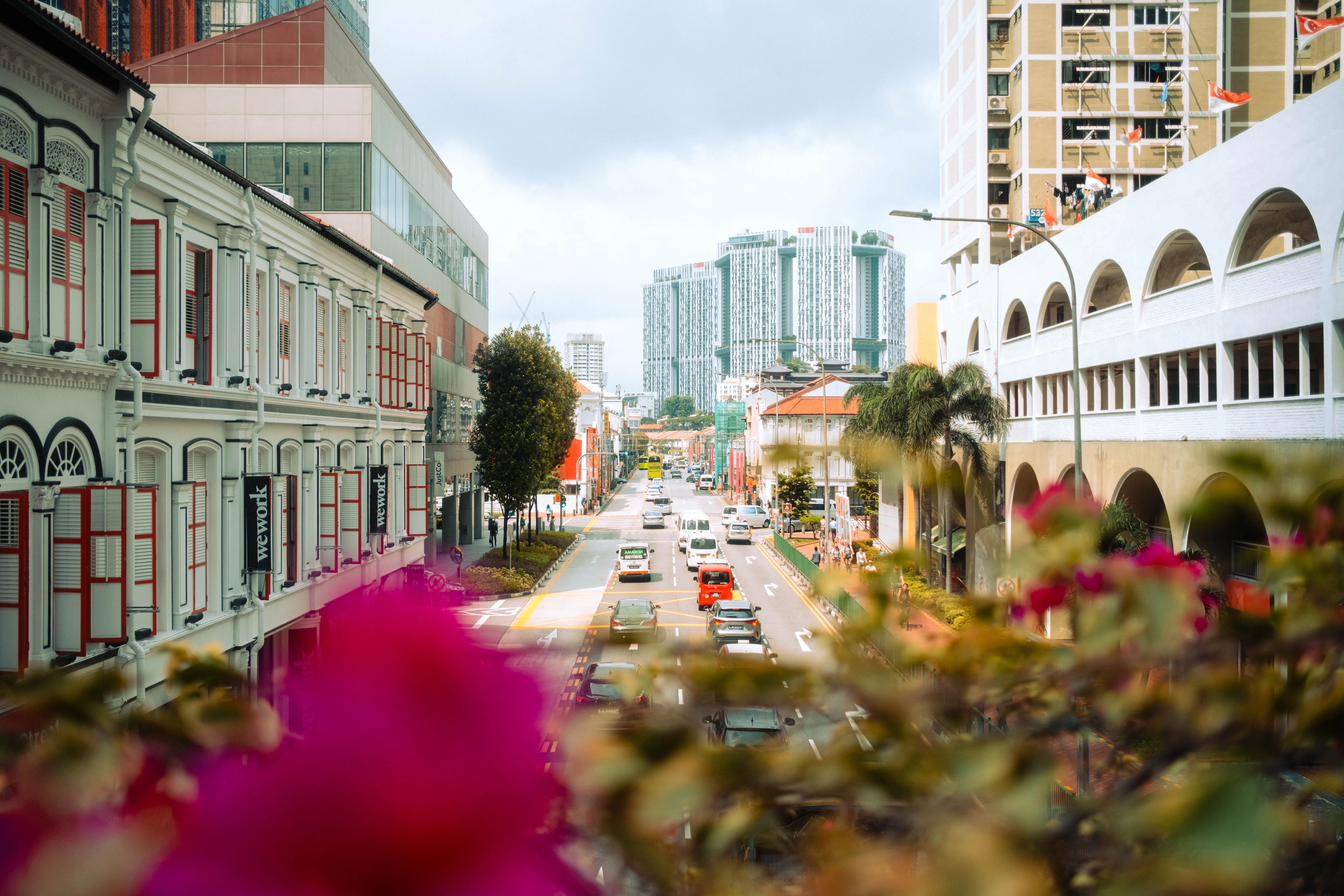
In the heart of the city, Chinatown reveals a blend of restored shophouses, temples and contemporary cafés. Walking these streets introduces travellers to Singapore’s Chinese heritage alongside stories of early traders and migrants.
The Buddha Tooth Relic Temple stands as a striking landmark, while nearby markets sell traditional goods and herbal remedies.
One visitor remarked that Chinatown felt like stepping through chapters of history within a single afternoon.
Kampong Glam: Malay and Arab Influences
A short distance away lies Kampong Glam, anchored by the golden dome of Sultan Mosque. Once the seat of Malay royalty, the district today blends heritage with boutique shops and independent eateries.
Textile stores and Middle Eastern cafés reflect the area’s diverse trading past. Wandering its streets provides insight into Singapore’s multicultural fabric.
How Does Hawker Culture Define the Singapore Food Experience?
Street food in Singapore is elevated to national pride. Hawker centres serve dishes perfected over generations, from Hainanese chicken rice to laksa and char kway teow.
The city’s hawker culture is recognised by UNESCO as intangible cultural heritage, underscoring its importance. Centres such as Maxwell Food Centre and Lau Pa Sat draw both locals and visitors.
A guest once shared that dining at a hawker centre felt more immersive than any formal restaurant, with conversations flowing freely between tables.
For travellers interested in Singapore food experiences, guided tasting tours provide context behind each dish’s origins.
Where Can You Experience Singapore’s Green Side?
Singapore Botanic Gardens
The Singapore Botanic Gardens is a UNESCO World Heritage Site that reflects the city’s long-standing commitment to integrating nature into urban life. Established in the 19th century, the gardens combine historical significance with contemporary relevance, particularly through their role in orchid cultivation and research. The National Orchid Garden displays thousands of hybrid varieties in vibrant colours, while swan-dotted lakes, rainforest patches and expansive lawns provide space to slow down between city explorations.
Shaded pathways make the gardens ideal for leisurely walks, and early mornings offer cooler temperatures along with a calmer atmosphere before the day’s humidity sets in. Visiting at this time also provides the chance to observe locals practising tai chi, jogging or simply enjoying a quiet start to the day.
Southern Ridges
For panoramic views and elevated walks, the Southern Ridges links several parks across a 10-kilometre stretch of green space. Architectural bridges connect forested hills, allowing travellers to walk above the canopy while enjoying skyline and harbour views. The distinctive Henderson Waves bridge, with its curved wooden ribs, is a highlight along the route and particularly striking at sunset.
These interconnected green corridors demonstrate how nature and city coexist seamlessly in Singapore. Within minutes, travellers can transition from urban streets to shaded trails, reinforcing the city’s reputation as one of Asia’s most thoughtfully designed urban environments.
Is Sentosa Worth Adding to a Singapore Stopover?
Accessible by cable car, monorail or a scenic boardwalk from the mainland, Sentosa offers an easy transition from city energy to coastal calm. Fringed by palm-lined beaches and overlooking the South China Sea, the island blends leisure with natural scenery. While it is well known for its attractions and entertainment precincts, Sentosa also rewards travellers seeking a slower pace.
Siloso, Palawan and Tanjong beaches each offer a slightly different atmosphere, from lively waterfront cafés to quieter stretches ideal for a relaxed swim or a stroll along the sand. Coastal walking trails weave between lookout points and shaded paths, providing panoramic views across the harbour and neighbouring islands. In the late afternoon, sunset viewpoints become particularly appealing, as golden light reflects across the water and softens the city skyline in the distance.
Dining options range from casual beachfront venues to contemporary restaurants that highlight regional flavours, allowing visitors to extend their stay into the evening without returning immediately to the mainland. Spending a day here creates balance within a stopover itinerary, pairing Singapore’s heritage districts and hawker culture with restorative time by the sea.
How Can You Experience Singapore’s Rural Past on Pulau Ubin?
For a glimpse of Singapore’s past, Pulau Ubin offers an experience that feels worlds away from the city’s polished skyline. Reached by a short bumboat ride from Changi Point Ferry Terminal, the island immediately reveals a slower rhythm. Granite quarries, dense secondary forest and coastal wetlands shape the landscape, while narrow roads wind through kampong-style villages that reflect an earlier chapter of Singapore’s history.
Cycling is one of the most popular ways to explore, with rental shops near the jetty providing simple bikes suited to gravel tracks and shaded lanes. Trails lead to the Chek Jawa Wetlands, where boardwalks traverse mangrove ecosystems and tidal flats rich in biodiversity. Monitor lizards, hornbills and fiddler crabs are common sights, offering a gentle introduction to Singapore’s natural heritage.
Wooden houses, simple coffee stalls and quiet paths create a stark contrast to the mainland’s high-rise districts. Travellers often express surprise at how quickly the atmosphere shifts from modern metropolis to rural calm, reinforcing Singapore’s capacity for unexpected diversity within a compact geography.
How Should You Plan a 3–5 Day Singapore Itinerary?
A well-designed Singapore stopover can feel surprisingly comprehensive, even within a short timeframe. A three-day stay may focus on the city’s cultural backbone, including heritage districts such as Chinatown and Kampong Glam, alongside evenings spent sampling hawker favourites in bustling food centres. Adding Marina Bay walks or a river cruise provides skyline perspectives without requiring extensive travel.
With five days, the itinerary can broaden to include green corridors and offshore escapes. Time at the Singapore Botanic Gardens or along the Southern Ridges introduces a softer, nature-focused contrast to the urban core. A day trip to Sentosa or Pulau Ubin further expands the experience, offering beaches, wetlands or rustic village scenes that feel far removed from high-rise architecture.
Efficient public transport, particularly the MRT network, simplifies movement between precincts. Clear signage, short travel times and compact geography ensure that minimal time is lost in transit. This allows travellers to concentrate on experience rather than logistics.
Singapore’s manageable scale means mornings can begin in a temple courtyard, afternoons unfold in tropical gardens and evenings conclude with riverside dining, all within the same day. The result is a stopover that feels layered and complete rather than rushed, maximising every moment before the next leg of your journey.
Expert Travel Tips
Travel year-round, as Singapore’s equatorial climate remains warm and humid in all seasons. However, February to April often brings slightly drier conditions and marginally lower rainfall, which can make walking tours and outdoor exploration more comfortable. Brief tropical showers are common at any time of year, so a compact umbrella or light rain jacket is always useful.
Use the MRT system for efficient and affordable transport between districts. Stations are clearly signposted in English, trains are frequent and air-conditioned and most major attractions sit within easy walking distance of a stop. For short stays, a stored-value transport card streamlines travel and reduces time spent purchasing individual tickets.
Dress comfortably and carry water due to humidity, especially if you plan to explore on foot. Lightweight, breathable fabrics and comfortable walking shoes are essential for navigating heritage streets, markets and park trails. Sun protection, including a hat and sunscreen, is equally important throughout the year.
Visit hawker centres during off-peak hours, typically mid-morning or mid-afternoon, for easier seating and a more relaxed dining experience. Lunchtime can be particularly busy with local office workers, so timing your visit allows you to sample dishes without long queues.
Combine heritage walks with time in green spaces to balance urban exploration. Pairing a morning in Chinatown or Kampong Glam with an afternoon in the Botanic Gardens or along the Southern Ridges helps offset the city’s intensity and highlights Singapore’s commitment to blending nature with modern development.
Frequently Asked Questions
How many days are ideal for a Singapore stopover?
Three to five days allows time to explore key districts and green spaces.
Is Singapore suitable for families?
Yes. Attractions, parks and efficient transport make it family-friendly.
Do Australians need a visa?
Check current information via Australian Government Smartraveller.
Is English widely spoken?
Yes. English is one of Singapore’s official languages.
Is Singapore expensive?
Accommodation varies, but hawker food remains affordable.
Can I see nature in Singapore?
Yes. Gardens, coastal trails and islands offer diverse green spaces.
How Can You Make the Most of a Singapore Stopover?
Singapore transforms transit into experience. Heritage precincts, vibrant hawker centres and lush green corridors converge within a compact geography that rewards efficient exploration.
For travellers seeking a Singapore 3–5 day itinerary, the city delivers culture, cuisine and nature without long travel distances.
Explore our travel packages to discover how Singapore can become a rich and rewarding stopover on your broader Asian journey.