Best Time to Visit Tahiti for Whale Watching, Diving and Lagoon Activities
Posted by on 26 Aug 2026
Tahiti's warm tropical climate makes it an appealing destination throughout the year, but the season you choose to visit can shape the experiences you'll enjoy. From witnessing humpback whales migrating through the South Pacific to diving in exceptionally clear waters or exploring tranquil lagoons, each time of year offers its own highlights.
One of the most common questions travellers ask is: what is the best time to visit Tahiti? The answer depends largely on your priorities. Whale watchers, divers, snorkellers and beach lovers may each find a different period of the year most rewarding. Weather patterns, ocean conditions and wildlife activity all play a role in shaping the ideal travel window.
Fortunately, French Polynesia's tropical climate means there is rarely a bad time to visit. Instead, understanding seasonal variations allows travellers to align their itinerary with the experiences they value most. Whether you're planning a luxury escape to Bora Bora, a multi-island adventure across Moorea and Tahiti or a diving-focused journey through the Tuamotu Islands, choosing the right season can help maximise your holiday.
Fun Facts
Humpback whales travel thousands of kilometres each year from Antarctica to French Polynesia's warm waters.
French Polynesia consists of more than 100 islands and atolls spread across five archipelagos.
Some of the world's clearest diving waters can be found in the Tuamotu Islands.
Lagoon temperatures in Tahiti remain warm throughout the year, often ranging between 26°C and 29°C.
Bora Bora's lagoon is protected by a coral reef, creating calm conditions for many water activities.
Why Does Timing Matter When Visiting Tahiti?
How Do Seasons Affect a Tahiti Holiday?
Although Tahiti enjoys warm temperatures year-round, weather patterns influence rainfall, humidity, ocean visibility and wildlife activity. Certain months are better suited to marine encounters, while others offer ideal conditions for hiking, sightseeing and lagoon exploration.
Travellers planning a French Polynesia holiday often benefit from matching their interests with seasonal conditions rather than simply choosing travel dates based on availability.
Is There a Single Best Time to Visit Tahiti?
Not necessarily. The best travel period depends on what you want to experience.
Travellers interested in whale watching in Tahiti may prioritise the migration season between July and October. Divers often favour periods with exceptional underwater visibility, while those focused on lagoon activities may prefer months with lower rainfall and calmer weather.
Understanding these differences helps create a more personalised and rewarding itinerary.
What Is Tahiti's Climate Like Throughout the Year?
When Is the Dry Season in Tahiti?
The dry season generally runs from May to October and is often considered the most popular period for visiting French Polynesia.
During these months, temperatures remain warm while humidity levels are typically lower. Rainfall is generally less frequent, creating excellent conditions for outdoor activities, sightseeing and island hopping.
This period is particularly attractive for travellers seeking comfortable weather and reliable conditions for exploring multiple islands.
What Happens During the Wet Season?
The wet season typically extends from November to April. Temperatures remain warm, but humidity increases and tropical showers become more common.
Rainfall is often short-lived rather than constant, and sunny periods still occur regularly. Travellers visiting during this time may encounter fewer crowds and occasionally benefit from lower accommodation rates.
For some visitors, the lush landscapes and quieter atmosphere can be appealing advantages.
How Do Temperatures Change Throughout the Year?
One of the benefits of travelling to Tahiti is the relatively consistent climate. Average temperatures generally range between 24°C and 31°C depending on the season.
Lagoon and ocean temperatures also remain comfortable year-round, making swimming, snorkelling and water activities possible regardless of when you visit.
When Is the Best Time for Whale Watching in Tahiti?
Why Do Humpback Whales Visit French Polynesia?
Each year, humpback whales migrate from Antarctica to the warmer waters of French Polynesia to breed, give birth and care for their young.
These protected waters provide an ideal environment for calves during their earliest months of life. As a result, French Polynesia has become one of the Pacific's most sought-after whale watching destinations.
When Is Whale Watching Season in Tahiti?
The peak Tahiti whale watching season generally runs from July through October.
Whales typically begin arriving around July, with sightings increasing throughout August and September. October often continues to provide excellent viewing opportunities before the migration season gradually concludes.
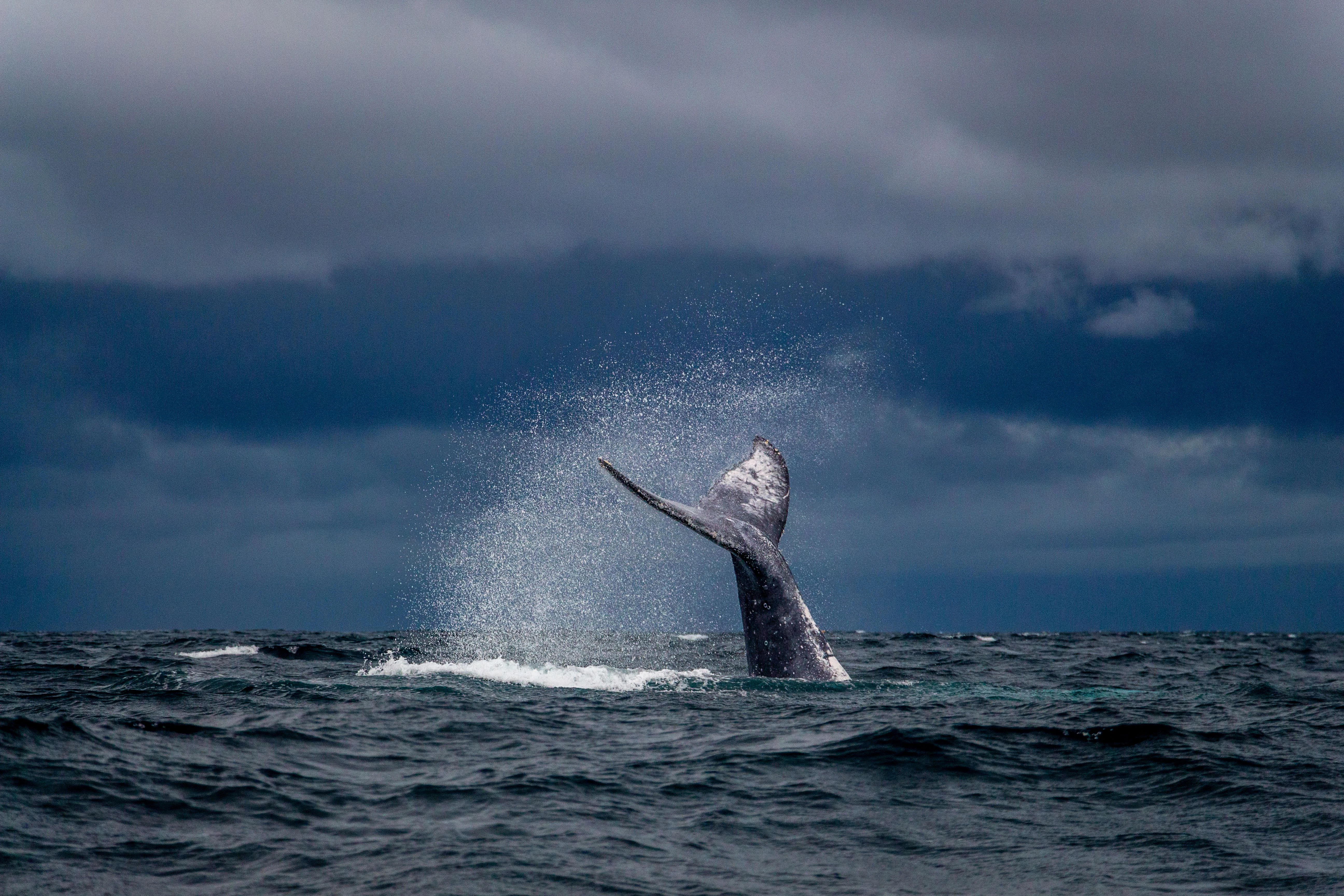
During this period, travellers may observe breaches, tail slaps and other spectacular behaviours from boats or designated viewing areas.
Which Islands Are Best for Whale Watching?
Moorea is widely regarded as one of the best locations for whale watching in French Polynesia. Its protected bays and calm waters create favourable conditions for observing whales.
Tahiti also offers whale excursions, while some neighbouring islands provide opportunities to encounter whales in more remote settings.
For wildlife enthusiasts, incorporating Moorea into a French Polynesia island hopping itinerary can significantly enhance the experience.
What Is the Best Time for Diving in Tahiti and French Polynesia?
Why Is French Polynesia a World-Class Diving Destination?
French Polynesia offers exceptional diving environments ranging from lagoon reefs to deep ocean passes. Diverse marine life, warm water temperatures and excellent visibility attract divers from around the world.
The destination's underwater ecosystems include reef sharks, manta rays, dolphins, turtles and vibrant coral formations.
When Are Diving Conditions at Their Best?
Diving is possible year-round, but many travellers consider the dry season between May and October particularly favourable.
During this period, water clarity is often excellent and weather conditions are generally more predictable. These factors contribute to some of the best diving in French Polynesia.
The shoulder months of May, June, September and October are particularly appealing for divers seeking a balance of good conditions and moderate visitor numbers.
Which Islands Are Best for Diving?
While Tahiti offers quality diving opportunities, many experienced divers venture further afield.
Rangiroa is renowned for its spectacular drift dives and shark encounters, while Fakarava attracts underwater photographers and marine life enthusiasts. Bora Bora and Moorea also offer rewarding diving experiences, particularly for travellers combining diving with broader holiday activities.
When Is the Best Time for Snorkelling and Lagoon Activities?
Why Are Tahiti's Lagoons So Popular?
French Polynesia's lagoons are among the destination's greatest attractions. Protected by coral reefs, these shallow waters offer calm conditions ideal for snorkelling, paddleboarding, kayaking and swimming.
The vibrant marine life and stunning shades of blue create unforgettable experiences for travellers of all ages.
Which Months Offer the Best Lagoon Conditions?
The dry season generally provides the most reliable conditions for lagoon activities.
Between May and October, lower rainfall and calmer weather often contribute to excellent visibility and comfortable temperatures. These conditions are particularly appealing for travellers planning lagoon cruises or snorkelling excursions.
Are Lagoon Activities Enjoyable Year-Round?
Yes. Warm water temperatures throughout the year mean that snorkelling and swimming remain enjoyable regardless of the season.
Even during wetter months, many days provide excellent opportunities for lagoon exploration. Travellers visiting outside peak season can still enjoy remarkable marine environments while benefiting from a quieter atmosphere.
What Is the Best Time for Island Hopping Across French Polynesia?
Why Does Weather Matter for Multi-Island Travel?
Travellers planning a French Polynesia island hopping itinerary often benefit from scheduling their journey during the drier months.
Lower rainfall and more predictable weather can simplify transfers between islands while enhancing outdoor experiences such as hiking, sightseeing and water-based activities.
Which Islands Combine Well Together?
Many travellers choose to combine Tahiti, Moorea and Bora Bora. This classic itinerary showcases the diversity of the Society Islands while remaining logistically straightforward.
Those with additional time may include Rangiroa, Fakarava or Tikehau for greater variety and unique marine experiences.
When Should You Plan a Multi-Island Holiday?
May through October is often considered the most favourable period for island hopping. However, travellers willing to accept occasional tropical showers can also enjoy rewarding journeys during the shoulder seasons.
How Can You Match Your Travel Dates to Your Interests?
Best Time for Whale Watching
July to October offers the strongest opportunities to see humpback whales as they migrate to the warm waters of French Polynesia to breed and give birth. Guided whale watching tours and, where permitted, respectful in-water encounters are among the season's most memorable experiences.
Best Time for Diving
May to October generally provides excellent underwater visibility, calmer sea conditions and comfortable temperatures for diving. This period is ideal for exploring coral reefs, drift dives and the renowned dive sites across the Tuamotu Islands, including Rangiroa and Fakarava.
Best Time for Lagoon Activities
May to October often delivers the most consistent weather for snorkelling, paddleboarding, kayaking and lagoon cruises. However, the warm tropical climate means these activities can still be enjoyed throughout the year, particularly around the sheltered lagoons of Tahiti, Moorea and Bora Bora.
Best Time for Fewer Crowds
Travelling during November, early December and parts of April can offer a quieter experience with fewer visitors at many resorts and attractions. These shoulder seasons often provide favourable weather while allowing travellers to enjoy a more relaxed atmosphere and greater accommodation availability.
Expert Travel Tips
Book whale watching excursions well in advance if travelling between July and October, as this is the peak season for humpback whale encounters and places on reputable tours can fill quickly.
Consider visiting during the shoulder months of May, June or October to enjoy a balance of pleasant weather, excellent conditions for outdoor activities and generally fewer visitors than the peak holiday period.
Include Moorea in your itinerary if whale watching is a priority, as the island is one of French Polynesia's best locations for guided whale encounters during the migration season.
Pack lightweight rain protection regardless of when you travel, as brief tropical showers can occur throughout the year even during the drier months. Quick-drying clothing is also useful for island hopping and water-based activities.
Allow at least three to four nights on each island to enjoy lagoon cruises, snorkelling, cultural experiences and sightseeing at a relaxed pace without feeling rushed between transfers.
Frequently Asked Questions
What is the best month to visit Tahiti?
September is often considered one of the best months due to favourable weather and strong whale watching opportunities.
When can you see whales in Tahiti?
Humpback whales are most commonly seen between July and October.
Is Tahiti good for diving year-round?
Yes. Diving is available throughout the year, although many divers prefer conditions during the dry season.
What is the rainy season in Tahiti?
The wet season generally runs from November to April.
Can you swim in Tahiti year-round?
Yes. Warm ocean temperatures make swimming comfortable throughout the year.
What is the best time to visit Bora Bora?
Many travellers favour May through October due to lower rainfall and comfortable temperatures.
Are lagoon cruises available year-round?
Yes. Lagoon activities operate throughout the year, weather permitting.
Is French Polynesia crowded during peak season?
Popular islands can experience higher visitor numbers between June and September.
Do Australians need a visa for French Polynesia?
Australian travellers generally do not require a visa for short tourist stays, though entry requirements should always be checked before departure.
How many islands should I visit in French Polynesia?
Most travellers find that visiting two to four islands provides a good balance between exploration and relaxation.
References
Explore French Polynesia at the Right Time
The best time to visit Tahiti depends on what you hope to experience. Whether you're drawn by humpback whales, world-class diving, crystal-clear lagoons or a relaxed island-hopping adventure, understanding seasonal conditions can help you make the most of your holiday.
By matching your travel dates with your interests, you'll enjoy a more rewarding and memorable experience across one of the South Pacific's most captivating destinations.
Explore Our Travel Packages and discover how Entire Travel Group can help create the perfect French Polynesia itinerary tailored to your preferred travel season and interests.