Cook Islands Cultural Traditions: Community, Dance and Local Life
Posted by on 06 Aug 2026
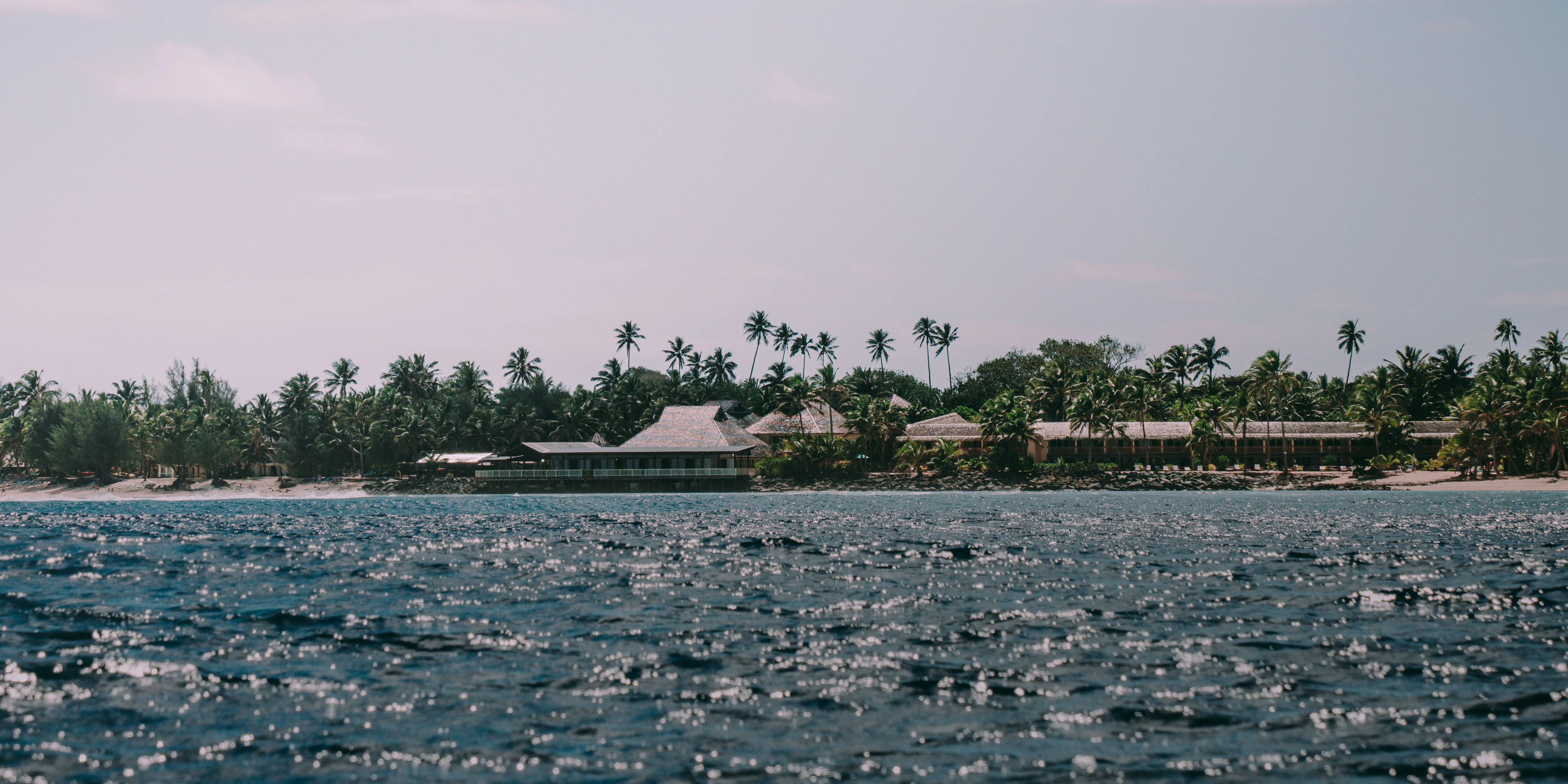
The Cook Islands are renowned for their turquoise lagoons and palm-fringed beaches, but their cultural heritage is equally captivating. Across the islands, traditions are not preserved solely for festivals or visitors. They continue to shape daily life through music, dance, storytelling, craftsmanship and strong community connections that have been passed from one generation to the next.
For travellers seeking more meaningful experiences, Cook Islands cultural traditions provide an opportunity to connect with local communities beyond the shoreline. Village gatherings, cultural performances and shared meals offer insight into Polynesian values centred on family, hospitality and respect for the land and sea. These experiences allow visitors to appreciate not only the beauty of the islands, but also the people whose traditions continue to define them.
Whether you're attending an energetic drumming performance in Rarotonga, browsing handcrafted weaving in a local market or listening to stories that have shaped generations of Cook Islanders, cultural experiences add another dimension to every itinerary. Combined with the islands' spectacular natural landscapes, they create a rewarding journey that balances relaxation with authentic human connection.
Fun Facts About Cook Islands Culture
The Cook Islands comprise 15 islands, each with its own local traditions while sharing a common Polynesian heritage.
Traditional drumming and dance remain an important part of celebrations, festivals and community gatherings throughout the islands.
Cook Islands Māori is one of the country's official languages and continues to be spoken alongside English.
Weaving using pandanus leaves has been practised for centuries and remains an important traditional craft.
Community life continues to revolve around villages, churches and extended family networks, helping preserve cultural customs across generations.
Why Is Community Life at the Heart of the Cook Islands?
Strong Family and Village Connections
Community is central to everyday life throughout the Cook Islands. Extended families often live close to one another, sharing responsibilities, celebrating milestones together and maintaining traditions that have been passed down through generations.
Villages form the social heart of each island, bringing together churches, schools, community halls and gathering spaces where residents regularly meet. Whether hosting celebrations, sporting events or cultural festivals, these communal areas reflect the importance of cooperation and belonging within Cook Islands society.
For travellers, visiting villages respectfully offers a valuable opportunity to observe how relationships, hospitality and tradition continue to shape daily life. Rather than existing solely for tourism, these communities represent living cultural landscapes where customs remain relevant today.
How Culture Shapes Everyday Life
One of the most rewarding aspects of visiting the Cook Islands is discovering that culture is woven naturally into everyday routines.
Music often accompanies family gatherings, traditional recipes continue to be prepared using local ingredients and storytelling remains an important way of sharing history and cultural values. Visitors may notice neighbours greeting one another warmly, families gathering after church services or local musicians performing during community events.
These authentic moments often leave just as lasting an impression as organised cultural experiences because they reveal how tradition continues to thrive within modern island life.
What Makes Cook Islands Dance and Drumming So Special?
Traditional Dance as Storytelling
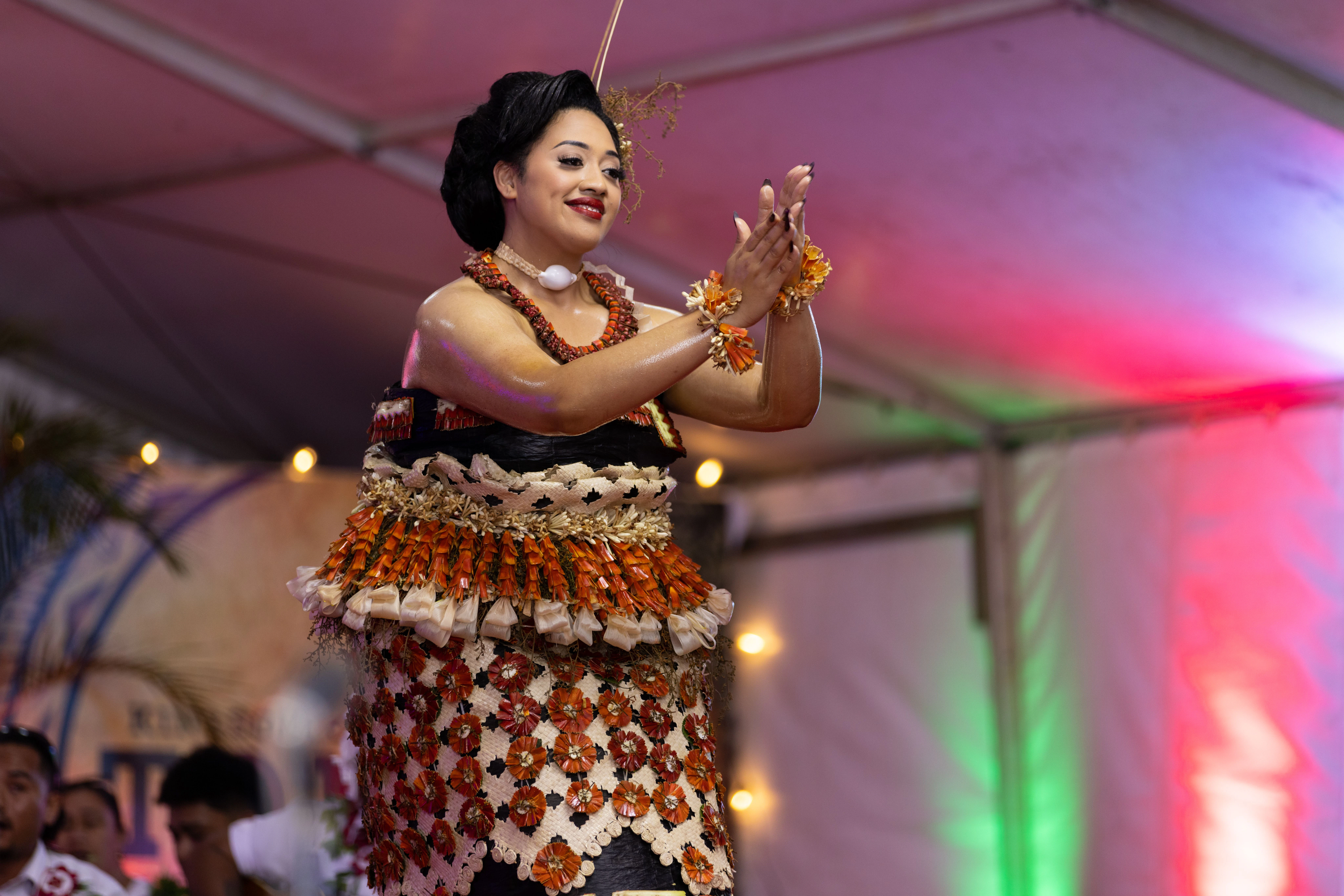
Dance is one of the most recognisable and celebrated expressions of Cook Islands cultural traditions. Every performance combines movement, rhythm and expression to tell stories about ancestors, everyday life, relationships and the islands themselves.
Each island has developed its own distinctive dance styles, costumes and choreography, reflecting local identity while remaining connected through shared Polynesian heritage. Bright costumes woven from natural fibres, flower garlands and carefully choreographed performances create a vibrant visual celebration of Cook Islands culture.
Watching a traditional performance provides far more than entertainment. It offers insight into history, values and the enduring pride communities have in preserving their cultural identity.
The Energy Behind Traditional Drumming
Powerful drumming provides the heartbeat of many cultural performances. The changing rhythms guide dancers while creating an atmosphere that is both energetic and deeply emotional.
Different occasions feature different musical styles. Celebratory festivals often include fast-paced drumming and lively dances, while ceremonial events may adopt slower, more reflective rhythms.
For many visitors, the sound of traditional drums becomes one of the defining memories of their Cook Islands holiday, demonstrating how music continues to unite communities across generations.
How Does Storytelling Preserve Cook Islands Heritage?
Passing Knowledge Between Generations
Long before written records became widespread, oral storytelling preserved the history of the Cook Islands.
Stories recount ancestral voyages across the Pacific, explain the origins of local traditions and celebrate legendary navigators who travelled vast distances using only the stars, ocean currents and wind patterns as their guides.
These narratives continue to be shared by elders, cultural guides and performers, ensuring younger generations remain connected to their heritage.
Stories That Connect People with the Land and Sea
Many traditional stories reflect the close relationship between Cook Islanders and their natural environment.
Legends explain the significance of mountains, lagoons, reefs and neighbouring islands while reinforcing values such as respect, courage and community responsibility. Hearing these stories often transforms familiar landscapes into places rich with cultural meaning rather than simply scenic attractions.
Travellers who participate in guided cultural experiences frequently gain a deeper appreciation for how history, nature and identity remain closely connected throughout the islands.
What Can You Expect at a Cook Islands Cultural Night?
An Evening of Music, Food and Performance
Cultural nights provide one of the easiest and most enjoyable ways to experience multiple aspects of Cook Islands heritage in a single evening.
Guests are typically welcomed with traditional music before enjoying energetic dance performances accompanied by live drumming. Between performances, guides often explain the significance of particular dances, costumes or musical traditions, helping visitors better understand what they are watching.
Although these evenings are designed for travellers, many performances reflect customs that continue to play an important role in local celebrations and community events.
Traditional Cuisine and Warm Hospitality
Food forms an important part of every cultural gathering.
Meals commonly feature freshly caught seafood, tropical fruit, coconut, taro, breadfruit and other locally grown ingredients prepared using recipes that have been shared within families for generations. Depending on the event, visitors may also see traditional cooking techniques that highlight the islands' Polynesian heritage.
Equally memorable is the hospitality. Cook Islanders are known for warmly welcoming visitors, creating an atmosphere where sharing food becomes another expression of community and generosity.
Why Are Traditional Crafts Important to Cook Islands Culture?
Weaving and Handmade Craftsmanship
Traditional weaving remains one of the Cook Islands' most respected artistic traditions.
Using pandanus leaves and other natural materials, skilled artisans create hats, baskets, fans, mats and decorative pieces that combine practicality with cultural significance. Many weaving techniques have been preserved through family teaching and community workshops.
Visiting local markets or craft centres allows travellers to appreciate the time, patience and expertise required to produce these handmade works.
Art That Reflects Cultural Identity
Beyond weaving, local artists continue to express Cook Islands heritage through wood carving, jewellery, tivaevae quilting and other creative traditions.
Many designs incorporate motifs inspired by the ocean, native plants and ancestral stories, giving each handcrafted piece deeper cultural meaning. Purchasing directly from local artisans not only supports community livelihoods but also helps preserve traditional skills for future generations.
How Can You Respect Cook Islands Culture While Travelling?
Understanding Local Etiquette
Showing respect is one of the most meaningful ways travellers can engage with Cook Islands communities.
Visitors should dress modestly when visiting villages or churches, ask permission before photographing people and follow guidance provided by local hosts during cultural experiences. Learning a few greetings in Cook Islands Māori is also appreciated and demonstrates genuine interest in the local culture.
Simple gestures of courtesy often lead to more authentic interactions and memorable conversations with residents.
Supporting Responsible Cultural Tourism
Responsible tourism helps ensure cultural traditions remain vibrant while providing lasting benefits for local communities.
Choosing locally owned tours, purchasing handmade crafts directly from artisans and participating in community-led cultural experiences all contribute to preserving heritage while supporting local families.
These choices create richer travel experiences while encouraging sustainable tourism that respects both culture and community.
How Can You Combine Cultural Experiences with Island Adventures?
One of the greatest strengths of the Cook Islands is the ability to balance cultural discovery with outdoor adventure.
Travellers can spend the morning snorkelling in Rarotonga's lagoon before visiting a local market in the afternoon or attending a traditional cultural night after a day exploring Aitutaki. Village visits, museums, walking tours and artisan workshops fit naturally alongside beach relaxation and marine activities.
Rather than viewing culture as a separate attraction, many visitors discover it becomes the thread connecting every part of their holiday. Conversations with local guides, shared meals and community encounters provide context that makes the islands' natural beauty even more meaningful.
Expert Travel Tips
Attend a cultural night early in your holiday to gain a deeper understanding of Cook Islands traditions, making it easier to appreciate the history and significance behind the cultural sites, performances and communities you encounter throughout your trip.
Dress respectfully when visiting villages, churches or community events, particularly on Sundays, and always follow any guidance provided by local hosts or guides.
Learn a few simple greetings in Cook Islands Māori as a sign of respect and appreciation. Even a small effort to use the local language can help create warmer interactions with residents.
Purchase handmade crafts directly from local artisans to support traditional skills, preserve cultural heritage and contribute to local community livelihoods.
Allow time to explore local markets, village events and artisan workshops alongside beach and lagoon activities for a more balanced itinerary that showcases both the natural beauty and cultural richness of the Cook Islands.
Ask permission before photographing people, performances or places of cultural significance, as this demonstrates courtesy and respect for local customs.
If your itinerary allows, visit during a local festival or community celebration to experience traditional music, dance and cultural practices in a lively and authentic setting.
Frequently Asked Questions
Do Australians need a visa to visit the Cook Islands?
Australian passport holders do not require a visa for short tourist stays in the Cook Islands. Travellers should ensure their passport meets entry requirements and check the latest government travel advice before departure.
What cultural experiences are available in the Cook Islands?
Visitors can enjoy traditional dance and drumming performances, cultural nights, village visits, local markets, storytelling experiences and opportunities to meet artisans practising traditional crafts. Many guided tours also introduce travellers to the islands' history, language and Polynesian heritage.
Are cultural nights authentic?
Yes. Although cultural nights are organised with visitors in mind, they showcase genuine Cook Islands traditions that continue to be celebrated during festivals, family gatherings and community events. Many performers actively participate in preserving these cultural practices within their own communities.
Is it appropriate to visit local villages?
Yes, provided visits are conducted respectfully and preferably with a local guide or organised tour. Visitors should observe local customs, dress appropriately and always seek permission before taking photographs of people or private property.
What should I wear during cultural visits?
Lightweight clothing that covers the shoulders and knees is generally recommended when visiting villages, churches or community events. Comfortable footwear is also useful if your visit includes walking through villages or local markets.
Can I interact with local communities?
Absolutely. Many cultural experiences are specifically designed to encourage respectful interaction between visitors and residents. Friendly conversations, participating in workshops or supporting local businesses are excellent ways to engage while learning more about Cook Islands life.
Are handicrafts made locally?
Yes. Many woven products, carvings, jewellery and quilts are handmade by Cook Islands artisans using traditional techniques and locally sourced materials. Purchasing directly from local makers helps preserve these skills while supporting community livelihoods.
How can I travel responsibly in the Cook Islands?
Respect local customs, choose locally operated experiences whenever possible, purchase authentic handmade products and follow cultural etiquette during village visits and performances. These small decisions help preserve the Cook Islands' cultural heritage while ensuring tourism continues to benefit local communities.
References
Discover the Culture of the Cook Islands
The Cook Islands offer far more than idyllic beaches and turquoise lagoons. Their living traditions, welcoming communities and rich Polynesian heritage invite travellers to experience the islands through music, dance, storytelling, craftsmanship and genuine hospitality.
By combining cultural experiences with the Cook Islands' spectacular natural landscapes, visitors gain a deeper appreciation of what makes this South Pacific destination so distinctive.
Explore Our Travel Packages with Entire Travel Group and discover how authentic cultural encounters can become one of the most rewarding parts of your Cook Islands journey.