Cook Islands for Active Travellers: Hiking, Cycling and Lagoon Adventures
Posted by on 27 Aug 2026
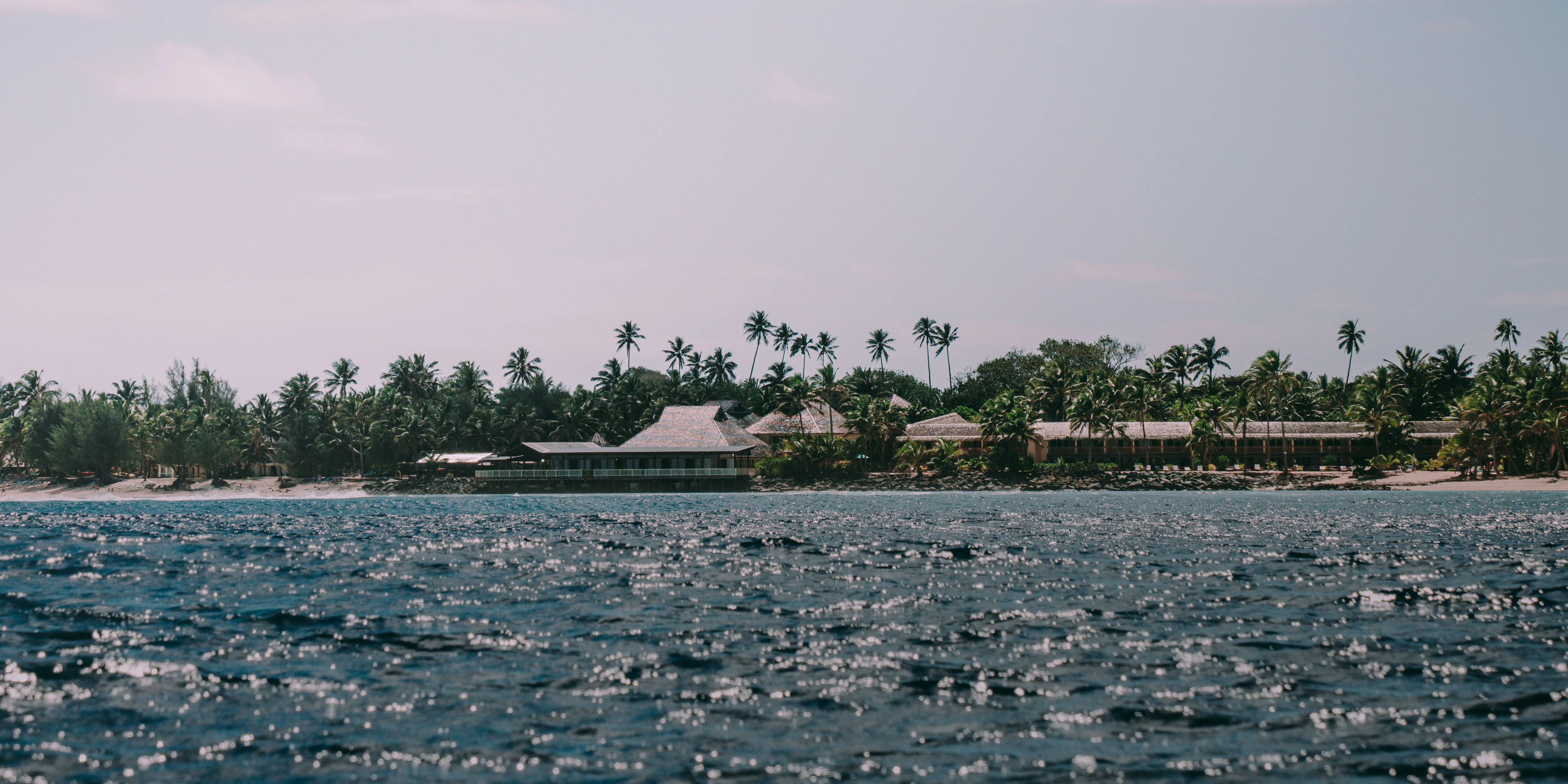
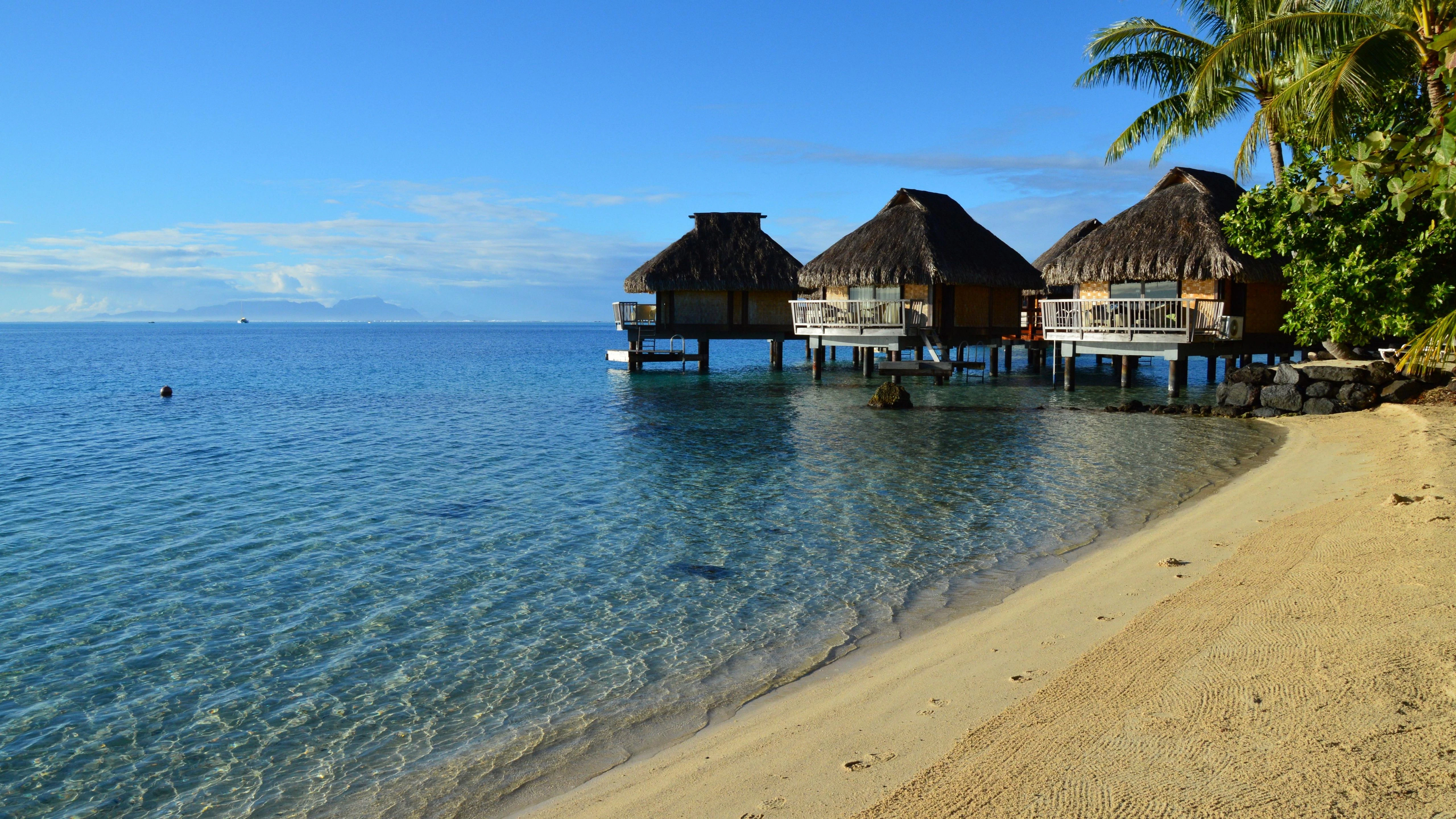
The Cook Islands offer far more than the idyllic beaches and turquoise lagoons that first capture travellers' attention. Across Rarotonga and Aitutaki, lush volcanic landscapes, scenic coastal roads and crystal-clear waters create endless opportunities for outdoor adventure. Whether hiking through rainforest, cycling around the island or paddling across a tranquil lagoon, visitors can experience a more active side of the South Pacific without losing the relaxed island atmosphere that makes the destination so appealing.
For travellers seeking more than a traditional resort holiday, active travel in the Cook Islands provides the perfect balance of exploration and relaxation. Rarotonga's mountainous interior is home to rewarding hiking trails and scenic cycling routes, while Aitutaki's world-famous lagoon invites kayaking, snorkelling, stand-up paddleboarding and swimming in remarkably clear waters. Thanks to the islands' compact size, it's easy to combine several outdoor activities within a single day while still leaving plenty of time to unwind.
Whether you're an experienced adventurer or simply looking to add a little more activity to your tropical escape, the Cook Islands offer accessible experiences for every travel style. From panoramic mountain viewpoints to vibrant coral reefs, every adventure reveals another side of these welcoming islands, creating a holiday that is as memorable for its natural beauty as it is for its sense of discovery.
Fun Facts
Rarotonga's highest peak, Te Manga, rises more than 650 metres above sea level.
The entire coastal road around Rarotonga is approximately 32 kilometres long and can be explored by bike.
Aitutaki Lagoon contains numerous small motu, or islets, scattered across turquoise waters.
The Cook Islands enjoy warm temperatures year-round, making outdoor activities possible in every season.
Many hiking trails in Rarotonga follow ancient pathways once used by local communities crossing the island.
Why Are the Cook Islands Ideal for Active Travellers?
What Makes the Cook Islands Different from Other South Pacific Destinations?
Many tropical destinations focus primarily on beaches and resort experiences. While the Cook Islands certainly excel in these areas, they also provide easy access to outdoor activities that require little travel time or specialised planning.
The islands combine mountainous interiors, coastal environments and lagoon ecosystems within a relatively compact area. This means travellers can spend the morning hiking through rainforest valleys and the afternoon snorkelling above coral gardens.
The result is a destination that appeals equally to relaxation seekers and travellers looking for gentle adventure.
Why Is Active Travel So Accessible Here?
One of the advantages of the Cook Islands travel experience is its accessibility. Trails, cycling routes and lagoon activities are often located close to accommodation areas, reducing the need for lengthy transfers.
The relaxed atmosphere also makes activities approachable for travellers of varying fitness levels. Many experiences can be customised based on ability and interests, creating flexibility without sacrificing adventure.
What Are the Best Hiking Trails in Rarotonga?
Why Is the Cross-Island Track One of the Cook Islands' Signature Hikes?
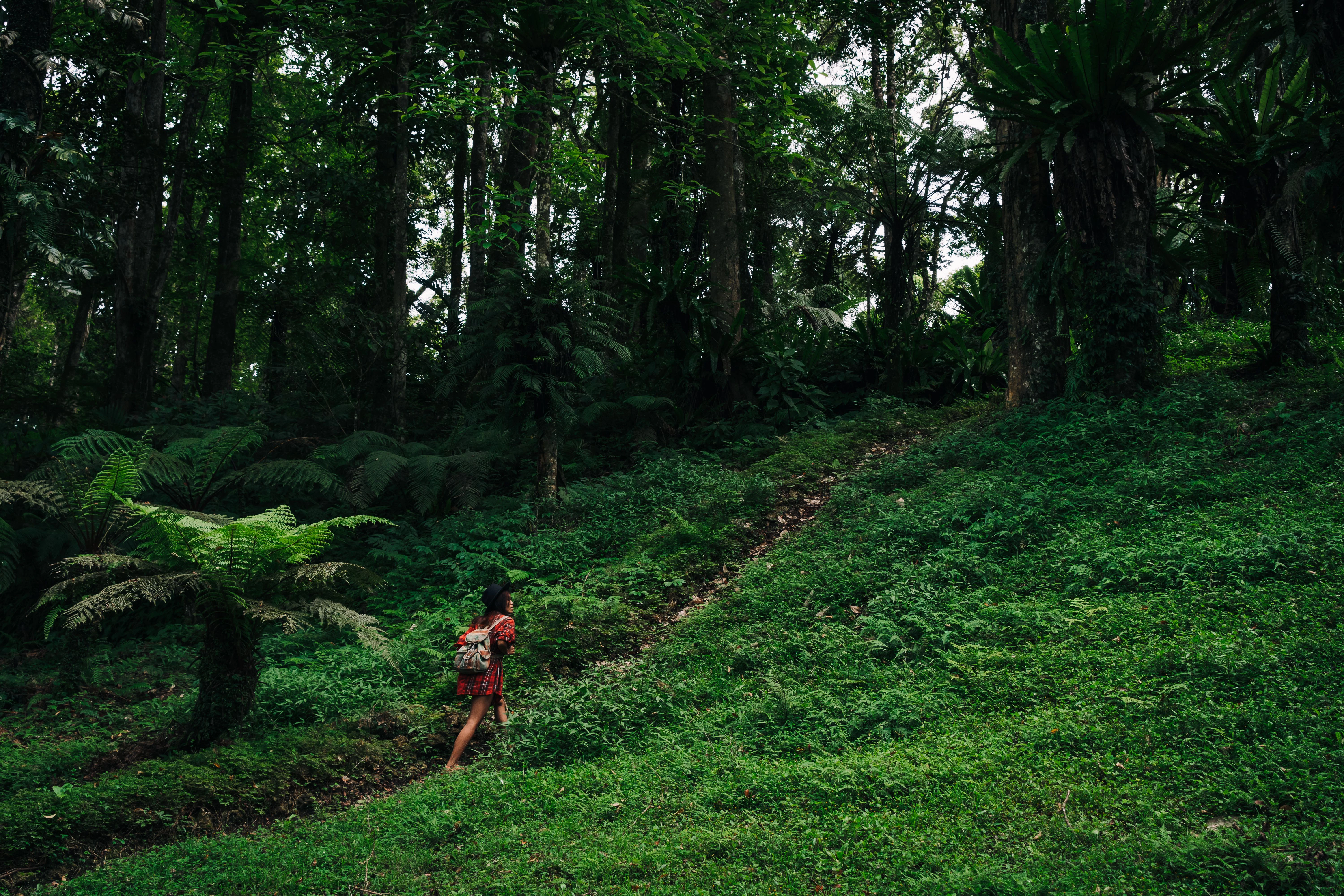
The Cross-Island Track is widely considered Rarotonga's most famous hiking route. Traversing the island's interior, the trail connects the northern and southern coasts while passing through lush rainforest and mountainous terrain.
The highlight of the hike is often the dramatic landscape surrounding Te Rua Manga, commonly known as The Needle. This striking rock formation rises sharply above the forest canopy and provides one of the island's most recognisable landmarks.
For travellers interested in hiking in Rarotonga, the Cross-Island Track offers a rewarding introduction to the island's natural environment.
What Can You Expect Along the Trail?
The route passes through dense tropical vegetation, streams and elevated viewpoints that reveal the island's volcanic origins. Birdlife, native plants and panoramic vistas add to the experience.
While sections of the trail can be challenging, guided walks are available for travellers seeking additional support and local insight.
Are There Easier Walking Trails in Rarotonga?
Not every hike needs to be a full-day adventure. Rarotonga also offers shorter walking routes through valleys, coastal areas and plantation landscapes.
These gentler walks allow travellers to experience the island's natural beauty without undertaking more demanding climbs. They are particularly appealing for visitors looking to balance activity with relaxation.
Why Is Cycling One of the Best Ways to Explore Rarotonga?
Can You Cycle Around the Entire Island?
One of Rarotonga's most appealing features is its circular coastal road. Stretching approximately 32 kilometres, it provides an excellent route for exploring the island by bicycle.
Cycling allows travellers to move at their own pace while discovering beaches, villages, cafés and local attractions. The route is generally manageable for recreational cyclists and can be completed in sections or as a full-day adventure.
For many visitors, cycling in the Cook Islands becomes one of the most enjoyable ways to experience local life.
What Will You See Along the Way?
The journey passes through traditional villages, coastal lookouts, roadside markets and stretches of tropical shoreline. Cyclists can stop frequently to swim, take photographs or enjoy local food.
Because traffic volumes are relatively low compared to many destinations, cycling often feels relaxed and accessible.
Is Cycling Suitable for Families?
Yes. Families can enjoy shorter rides along flatter sections of the coastal road, while more experienced cyclists may choose longer routes or combine cycling with other outdoor activities.
Bike rental options are widely available, making it easy to incorporate cycling into a Cook Islands itinerary.
Where Can You Experience the Best Lagoon Adventures?
Why Is Aitutaki Lagoon So Famous?
Few places in the South Pacific rival the beauty of Aitutaki Lagoon. Its turquoise waters, white-sand motu and vibrant marine life create one of the region's most iconic landscapes.
For active travellers, the lagoon offers far more than scenic views. It provides opportunities for kayaking, paddleboarding, snorkelling and swimming in a spectacular natural environment.
Many visitors consider the lagoon the highlight of their Cook Islands holiday.
What Are the Best Ways to Explore the Lagoon?
Lagoon cruises remain one of the most popular activities, but independent exploration by kayak or paddleboard offers a different perspective.
Paddling between small islets allows travellers to discover quieter corners of the lagoon while enjoying a sense of freedom and adventure. Calm conditions make these activities suitable for a wide range of experience levels.
How Active Can a Lagoon Day Be?
Travellers can combine multiple activities within a single day. A typical outing may include kayaking, snorkelling, swimming and walking across small motu.
The relaxed pace of island life means there is no need to rush, creating an ideal balance between activity and leisure.
What Makes Snorkelling in the Cook Islands So Rewarding?
Where Are the Best Snorkelling Locations?
Both Rarotonga and Aitutaki offer excellent snorkelling opportunities. Lagoon environments support colourful coral formations and a variety of tropical fish species.
Many accessible sites are located close to shore, allowing travellers to enter the water directly from beaches without requiring boat transfers.
This accessibility makes snorkelling in the Cook Islands appealing for both beginners and experienced snorkellers.
What Marine Life Can You Expect to See?
Common sightings include butterflyfish, parrotfish, angelfish and other reef species. Sea turtles are occasionally encountered, while healthy coral systems provide vibrant underwater scenery.
Visibility is often excellent, particularly during calmer weather conditions.
Is Snorkelling Suitable for Families?
Yes. Many lagoon areas feature shallow, protected waters that are well suited to families and less confident swimmers.
Guided excursions are also available for travellers seeking additional support or local expertise.
How Can You Combine Adventure and Relaxation in One Trip?
Why Do the Cook Islands Suit Slow Adventure Travel?
Unlike destinations focused on high-adrenaline activities, the Cook Islands excel at what might be described as "slow adventure". Experiences are active enough to feel rewarding but rarely feel rushed or overly strenuous.
Travellers can spend the morning hiking, cycling or kayaking before transitioning to a leisurely afternoon by the beach.
This balance is one of the destination's greatest strengths.
How Long Should You Stay?
A seven to ten-day itinerary allows travellers to combine Rarotonga and Aitutaki while enjoying a range of outdoor experiences.
Longer stays provide opportunities to slow the pace even further, allowing time for both exploration and relaxation.
What Cultural Experiences Complement Outdoor Activities?
How Can You Connect with Local Communities?
Outdoor adventures provide opportunities to explore beyond resort areas and engage more closely with local communities.
Markets, cultural performances and village visits offer insight into Cook Islands traditions and everyday life.
Why Is Culture an Important Part of the Journey?
The Cook Islands are more than a collection of beautiful landscapes. Their Polynesian heritage, community spirit and cultural traditions add depth to the travel experience.
Combining outdoor activities with cultural encounters creates a more meaningful and memorable holiday.
Expert Travel Tips
Travel between May and October for generally drier weather, comfortable temperatures and ideal conditions for hiking, cycling and lagoon activities. These months also tend to offer clearer skies and lower humidity for outdoor adventures.
Carry reef-safe sunscreen, a reusable water bottle and lightweight sun protection whenever you're exploring. The tropical sun can be strong even on cloudy days, so staying hydrated and protecting both yourself and the fragile marine environment is essential.
Start hikes early in the morning, particularly on Rarotonga's inland trails, to avoid the warmest part of the day and enjoy cooler temperatures, quieter tracks and better visibility from the island's scenic lookouts.
Pack water shoes or sturdy sandals for lagoon exploration, reef walks and rocky shoreline access. They provide extra comfort and help protect your feet when entering and exiting the water.
Balance adventure with downtime by alternating active excursions with time to relax on the beach or by the lagoon. The Cook Islands are best enjoyed at an unhurried pace, allowing you to appreciate both the islands' natural beauty and their laid-back Polynesian lifestyle.
Book popular lagoon tours and guided hikes in advance, especially during the peak travel season, as smaller group experiences can fill quickly. Local guides also provide valuable insights into the islands' culture, history and natural environment, enriching your overall experience.
Frequently Asked Questions
What is the best island for hiking in the Cook Islands?
Rarotonga is generally considered the best island for hiking thanks to its mountainous interior and established trail network.
Can you cycle around Rarotonga?
Yes. The island's coastal road forms a complete loop of approximately 32 kilometres.
Is Aitutaki good for active travellers?
Absolutely. Kayaking, paddleboarding, snorkelling and swimming are all popular activities within the lagoon.
What is the best time to visit the Cook Islands for outdoor activities?
May to October typically offers comfortable temperatures and lower rainfall.
Are the hiking trails suitable for beginners?
Some trails are accessible for beginners, while others such as the Cross-Island Track may require moderate fitness.
Is snorkelling available year-round?
Yes. Warm water temperatures make snorkelling enjoyable throughout the year.
How many days should I spend in the Cook Islands?
Seven to ten days allows travellers to combine Rarotonga and Aitutaki comfortably.
Can families enjoy active holidays in the Cook Islands?
Yes. Many activities are family-friendly and can be tailored to different ages and fitness levels.
Do Australians need a visa for the Cook Islands?
Australian travellers generally do not require a visa for short tourist stays, though entry requirements should always be checked before departure.
References
Discover the Active Side of the Cook Islands
The Cook Islands offer much more than idyllic beaches and lagoon views. From rainforest hikes and coastal cycling routes to kayaking adventures and world-class snorkelling, the destination provides an ideal blend of outdoor exploration and island relaxation.
Whether you're traversing Rarotonga's interior trails, cycling between villages or paddling across Aitutaki's famous lagoon, active travel in the Cook Islands reveals a deeper and more rewarding side of the South Pacific.
Explore Our Travel Packages and discover how Entire Travel Group can help create a Cook Islands journey that combines adventure, culture and relaxation at your ideal pace.