Cook Islands Lagoon Life: Marine Experiences and Island Rhythm
Posted by on 05 Aug 2026
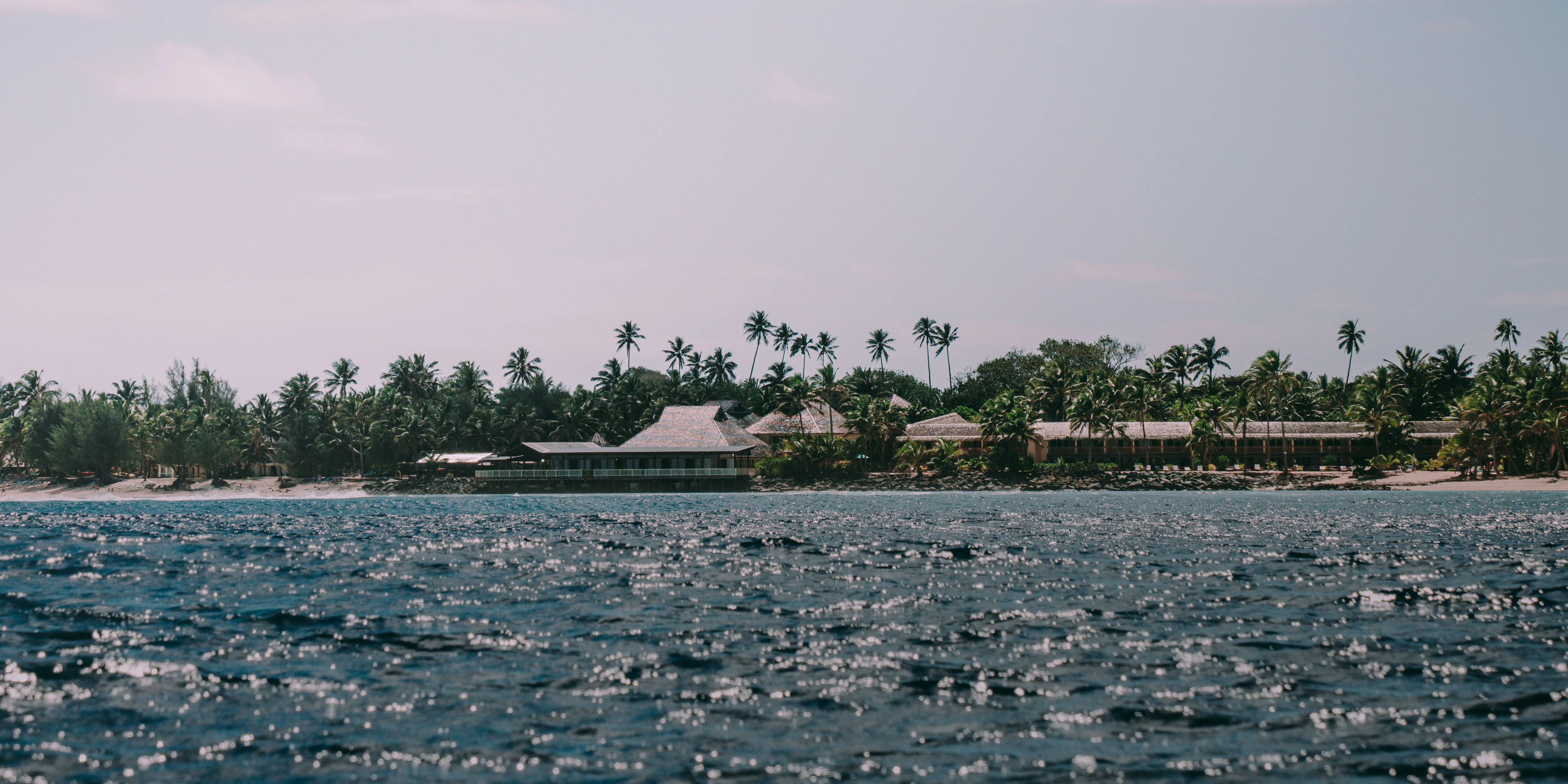
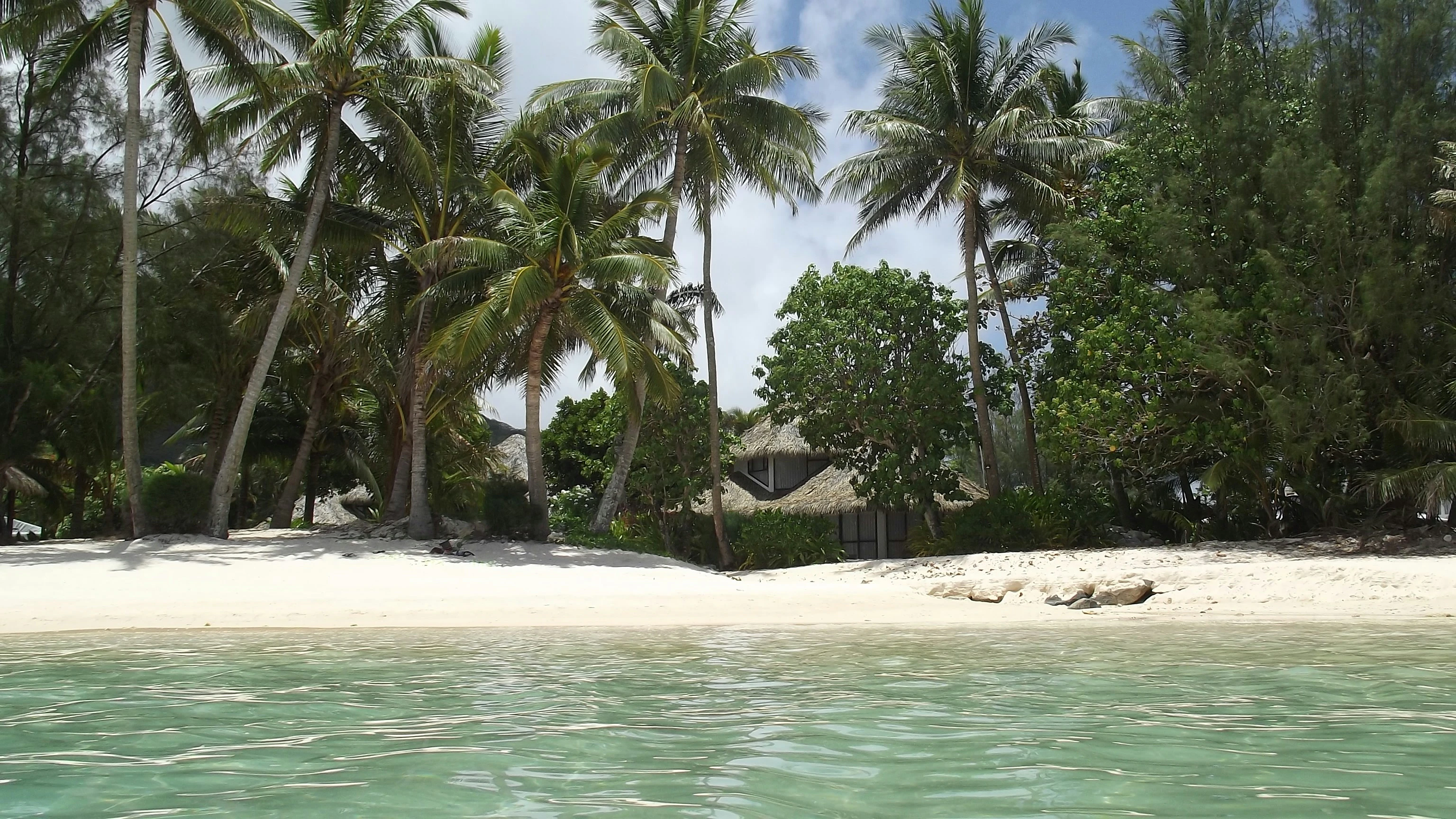
The Cook Islands offer a South Pacific escape where crystal-clear lagoons, coral reefs and a relaxed island lifestyle shape every journey. While travellers are often captivated by the white-sand beaches, it is the lagoons that define the destination. Calm turquoise waters invite visitors to snorkel above vibrant coral gardens, paddle between sheltered bays and simply slow down to appreciate the rhythm of island life.
Whether you're planning your first South Pacific holiday or returning to experience another side of Polynesia, Cook Islands lagoon travel offers far more than beautiful scenery. Rarotonga provides an energetic mix of culture, coastal activities and accessible marine adventures, while nearby Aitutaki showcases one of the world's most celebrated lagoons, where tiny coral islets, known as motu, are scattered across brilliant blue waters.
Together, these islands create a journey that balances exploration with relaxation. Travellers can spend mornings kayaking across glassy lagoons, afternoons snorkelling alongside colourful reef fish and evenings enjoying local cuisine beside the ocean. The result is a destination where nature, culture and a slower pace of life come together effortlessly.
Fun Facts About the Cook Islands
The Cook Islands comprise 15 islands spread across nearly two million square kilometres of the South Pacific Ocean.
Aitutaki Lagoon is frequently recognised as one of the world's most beautiful lagoons thanks to its brilliant turquoise waters and coral-fringed motu.
Rarotonga is protected by a surrounding coral reef, creating calm lagoon waters ideal for snorkelling and paddling.
Traditional vaka, or outrigger canoes, remain an important symbol of Cook Islands culture and navigation.
The Cook Islands use the New Zealand dollar alongside their own Cook Islands dollar, which features unique local currency alongside their Polynesian identity.
Why Is Rarotonga the Best Place to Experience Lagoon Life?
Snorkelling Straight from the Shore
For many travellers, Rarotonga provides the perfect introduction to Cook Islands snorkelling experiences. Unlike destinations where reaching the reef requires lengthy boat rides, many of Rarotonga's beaches offer direct access to calm lagoon waters only metres from the shoreline.
The island's surrounding reef creates a protected lagoon where colourful tropical fish, coral gardens and giant clams thrive. Many resorts provide complimentary snorkelling equipment, allowing guests to explore the lagoon at their own pace throughout the day.
Morning is often the ideal time to enter the water, when winds are lighter and visibility is typically at its clearest. Even experienced snorkellers appreciate the convenience of being able to return to the same reef several times, noticing different marine life as the light changes throughout the day.
At low tide, guided reef walks provide another perspective on these marine ecosystems. Local guides explain how coral reefs support island life, identify marine species and share traditional knowledge about the lagoon's ecological importance.
Why Are Kayaking and Paddleboarding So Popular?
The calm conditions around Rarotonga make kayaking and stand-up paddleboarding accessible to travellers of all experience levels.
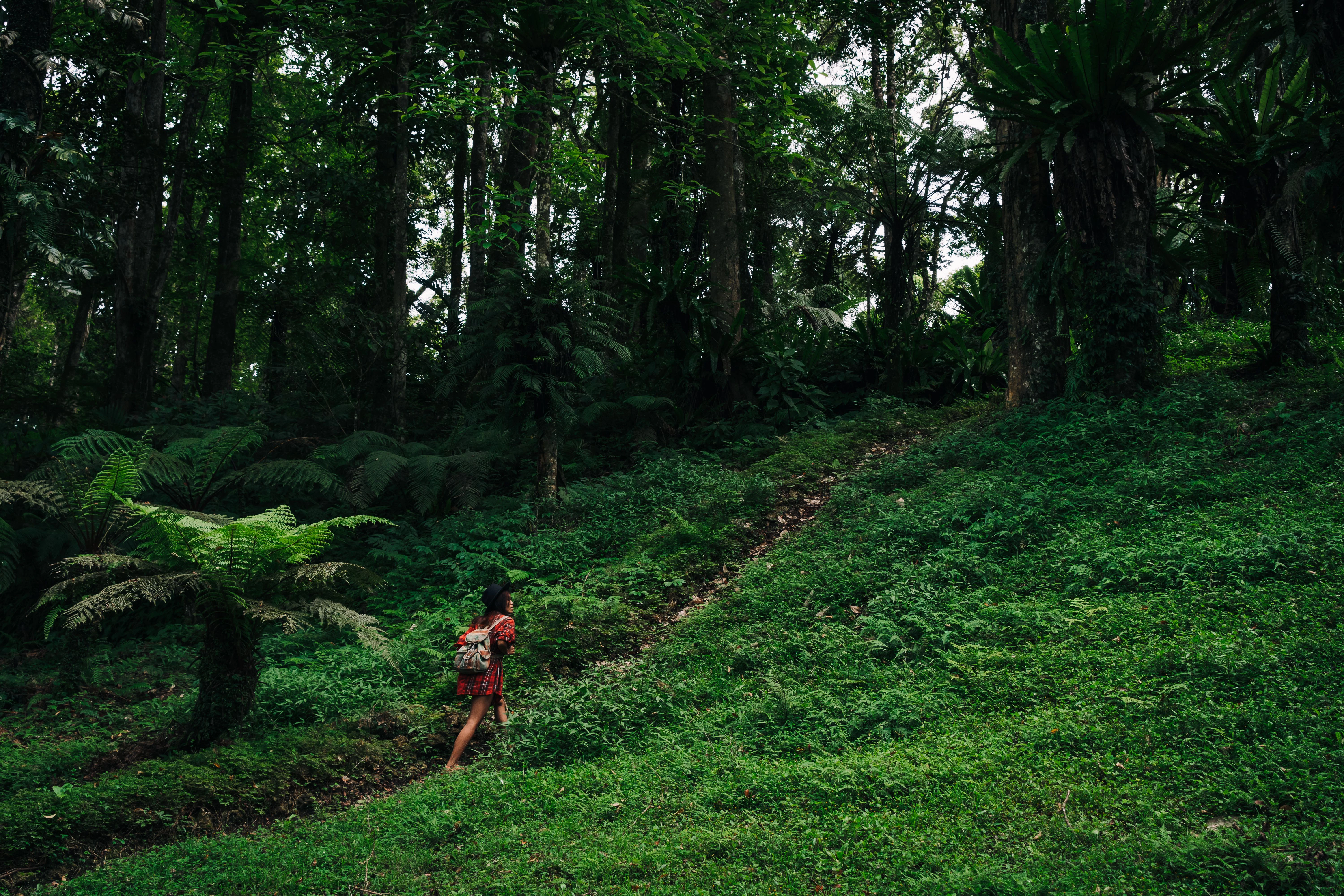
Paddling across the lagoon offers constantly changing views of the island's dramatic volcanic peaks rising above coconut palms and tropical forests. The contrast between emerald mountains and brilliant turquoise water creates one of the Cook Islands' most recognisable landscapes.
Early mornings are particularly rewarding, when the lagoon often resembles glass and the beaches remain wonderfully quiet. Those seeking a gentle introduction to water sports will find Rarotonga an ideal destination for developing confidence while enjoying spectacular surroundings.
What Makes Aitutaki Lagoon One of the South Pacific's Most Beautiful Destinations?
Discovering Aitutaki by Lagoon Cruise
Few places capture the image of a tropical paradise quite like Aitutaki Lagoon. Stretching across vivid shades of turquoise, aqua and sapphire, the lagoon is dotted with tiny coral islets that create postcard-perfect scenery at every turn.
A lagoon cruise remains one of the best ways to experience the area. Throughout the day, boats visit several motu, giving travellers opportunities to swim, snorkel, relax beneath coconut palms and enjoy freshly prepared lunches in spectacular surroundings.
Each island reveals a different character. Some offer secluded beaches ideal for relaxation, while others provide excellent snorkelling or panoramic viewpoints overlooking the lagoon's intricate reef system.
Rather than rushing between destinations, lagoon cruises embrace the Cook Islands' slower pace, allowing ample time to appreciate each location.
Why Is Aitutaki Perfect for Beginner Snorkellers?
The lagoon's shallow, sheltered waters make it one of the easiest places in the Pacific for beginners to enjoy marine life.
Excellent visibility allows snorkellers to observe colourful reef fish, coral formations and giant clams without venturing into deep water. Families with children and travellers who are less confident swimmers often find the lagoon's gentle conditions particularly reassuring.
Experienced guides help visitors identify marine species while ensuring environmentally responsible practices are followed throughout the excursion.
What Is Lagoon Life Really Like in the Cook Islands?
A Holiday That Moves at Nature's Pace
One of the most memorable aspects of visiting the Cook Islands is not simply what you do, but how you experience each day.
Life revolves around the ocean, weather and natural rhythms rather than busy sightseeing schedules. Sunrise walks along the beach, leisurely breakfasts overlooking the lagoon and afternoons spent swimming or reading beneath palm trees become highlights in their own right.
Unlike destinations where visitors feel pressure to tick attractions off a list, the Cook Islands encourage travellers to embrace slower travel. Taking time to appreciate changing tides, spectacular sunsets and conversations with local residents often becomes just as rewarding as organised activities.
Finding the Right Balance Between Adventure and Relaxation
A typical day might begin with kayaking or snorkelling before transitioning into a relaxed afternoon exploring local cafés, artisan markets or coastal villages.
This balance appeals to honeymooners, couples, families and solo travellers alike. Active mornings followed by unhurried afternoons allow visitors to experience the destination without feeling rushed or overwhelmed.
It is this blend of gentle adventure and genuine relaxation that defines Cook Islands lagoon travel.
How Can You Explore the Cook Islands While Protecting Its Marine Environment?
Protecting Fragile Coral Reefs
The Cook Islands' lagoons support delicate coral ecosystems that require careful stewardship.
Visitors can help preserve these environments by using reef-safe sunscreen, avoiding contact with coral and never standing on reef formations while entering or exiting the water.
Maintaining a respectful distance from marine wildlife and avoiding the collection of shells or coral fragments also contributes to long-term conservation.
These simple actions help ensure future generations can continue enjoying the lagoons in their natural state.
Supporting Local Communities
Many lagoon cruises, snorkelling tours and cultural experiences are operated by local families who possess generations of knowledge about the surrounding marine environment.
Choosing community-based operators supports local livelihoods while providing richer experiences through personal stories, traditional knowledge and local perspectives.
Travellers often discover that conversations with guides become some of the most memorable parts of their journey.
Should You Visit Both Rarotonga and Aitutaki?
Why These Islands Complement Each Other
Although each island offers beautiful lagoons, their personalities differ considerably.
Rarotonga provides a lively blend of accommodation, restaurants, cultural attractions and outdoor activities, making it an excellent starting point for most itineraries.
Aitutaki, meanwhile, offers greater seclusion and focuses almost entirely on the spectacular lagoon experience. Its smaller scale encourages visitors to disconnect and enjoy a slower pace.
Experiencing both destinations provides a broader appreciation of what the Cook Islands have to offer.
How Should You Structure Your Itinerary?
A popular itinerary begins with four to five nights in Rarotonga before continuing to Aitutaki for three or four nights.
This sequence allows travellers to settle into island life, enjoy cultural experiences and coastal activities before finishing with the tranquillity of Aitutaki's famous lagoon.
Flights between the islands are relatively short, making the transition convenient while maximising holiday time.
Those with longer itineraries may also consider exploring Atiu or Mangaia for an even deeper appreciation of the Cook Islands beyond its best-known destinations.
Expert Travel Tips
Visit between May and October for generally drier weather and comfortable conditions for lagoon activities.
Book Aitutaki lagoon cruises well in advance during peak travel periods, as spaces can fill quickly.
Bring reef-safe sunscreen, a reusable water bottle, water shoes and lightweight sun-protective clothing.
Plan snorkelling sessions during calmer morning conditions for the best visibility.
Leave plenty of free time between activities to embrace the Cook Islands' relaxed pace rather than trying to fill every hour.
Frequently Asked Questions
Do Australians need a visa to visit the Cook Islands?
Australian passport holders do not require a visa for short tourist visits to the Cook Islands. Travellers should ensure their passport meets entry requirements and always check the latest government travel advice before departure.
What is the best time to visit the Cook Islands?
May to October generally offers drier weather, lower humidity and pleasant temperatures for snorkelling, kayaking and sightseeing. The warmer months can still be enjoyable, although occasional tropical showers become more frequent.
Is Aitutaki worth visiting?
Absolutely. Aitutaki Lagoon is widely regarded as one of the South Pacific's most spectacular natural attractions, offering crystal-clear water, white-sand motu, excellent snorkelling and unforgettable lagoon cruises. Many visitors consider it the highlight of their Cook Islands holiday.
Are the lagoons suitable for beginners?
Yes. Both Rarotonga and Aitutaki offer calm, shallow lagoons that are ideal for beginner snorkellers, kayakers and paddleboarders. Guided excursions are widely available for travellers wanting additional support or local knowledge.
How many days should I spend in the Cook Islands?
Seven to ten days provides enough time to experience both Rarotonga and Aitutaki comfortably. Longer stays allow visitors to enjoy a slower pace while exploring additional islands or participating in more outdoor activities.
Can I combine multiple islands in one trip?
Yes. Regular domestic flights connect Rarotonga and Aitutaki, making multi-island itineraries straightforward to arrange. Travellers with additional time may also consider exploring some of the Cook Islands' lesser-visited islands.
Is snorkelling safe in the lagoons?
Generally, yes. The sheltered lagoons offer calm conditions suitable for most visitors, particularly during favourable weather. Following local advice, checking tide conditions and respecting marine environments help ensure a safe and enjoyable experience.
What should I pack for lagoon activities?
Lightweight clothing, reef-safe sunscreen, a hat, reusable water bottle, swimwear and water shoes are all useful for exploring the lagoons comfortably. A dry bag is also recommended for protecting cameras, phones and other valuables during boat trips or kayaking excursions.
References
Experience Lagoon Life in the Cook Islands
The Cook Islands offer a South Pacific holiday where the journey is shaped as much by the sea as by the islands themselves. From Rarotonga's accessible coral lagoons and coastal adventures to Aitutaki's world-famous turquoise waters, every destination invites travellers to slow down, reconnect with nature and embrace a gentler rhythm of life.
Whether you're snorkelling over vibrant reefs, paddling through calm lagoons or simply enjoying the changing colours of the ocean from the shoreline, these experiences reveal why the Cook Islands continue to captivate travellers seeking authentic island escapes.
Explore Our Travel Packages with Entire Travel Group and discover how Rarotonga, Aitutaki and the Cook Islands can come together in a seamless South Pacific journey filled with unforgettable marine experiences and island hospitality.