Culture-First Travel: Destinations Where Local Traditions Shape Everyday Life
Posted by on 25 Jul 2026
Travel can take many forms, yet for travellers seeking something deeper than sightseeing, culture often becomes the defining part of the journey. While famous landmarks and iconic landscapes remain important, some destinations offer experiences shaped by traditions that continue to influence daily life, community values and local identity.
Across the Pacific and Asia, destinations such as Samoa, Fiji, Sri Lanka, Thailand and the Philippines provide opportunities to engage with living cultures rather than simply observe them. These are places where village customs, religious traditions, festivals, storytelling and community connections remain integral to everyday life. Rather than existing solely for visitors, culture is woven into how people live, celebrate and interact with one another.
For travellers interested in culture-first travel, these destinations offer meaningful experiences that go beyond conventional tourism. Whether participating in a traditional village welcome, exploring ancient religious sites or learning about regional customs through local guides, cultural understanding becomes a central part of the journey.
Fun Facts
Samoa's traditional social system, known as Fa'a Samoa, continues to guide village life and community decision-making today.
Fiji's traditional sevusevu welcome ceremony remains an important part of village visits throughout the islands.
Sri Lanka is home to eight UNESCO World Heritage Sites, many of which continue to play an active role in cultural and religious life.
Thailand hosts thousands of festivals each year, many rooted in Buddhist traditions and local customs.
The Philippines has more than 170 recognised languages and a rich diversity of regional traditions across its islands.
What Is Culture-First Travel and Why Is It Growing in Popularity?
How Does Culture-First Travel Go Beyond Traditional Sightseeing?
Culture-first travel prioritises meaningful engagement with local traditions, communities and ways of life. Rather than focusing solely on major attractions, travellers seek opportunities to understand the history, customs and values that shape a destination.
This approach often involves spending more time in fewer places, allowing for genuine interaction and a greater appreciation of local culture. Markets, community events, religious sites and cultural workshops become just as important as famous landmarks.
For many travellers, these experiences create stronger memories because they provide insight into how people live rather than simply what they visit.
Why Do Travellers Seek More Meaningful Cultural Experiences?
Modern travellers increasingly value connection and authenticity. While iconic sights remain appealing, many people are also looking for experiences that offer context, learning and personal enrichment.
Cultural travel provides opportunities to understand different perspectives, participate in local traditions and develop a deeper appreciation of the places visited. It transforms travel from observation into engagement, creating journeys that feel both memorable and meaningful.
Why Is Samoa One of the Pacific's Strongest Cultural Destinations?
How Does Fa'a Samoa Shape Daily Life?
Samoa offers one of the Pacific's most distinctive cultural experiences through Fa'a Samoa, or "the Samoan way." This traditional framework influences community relationships, leadership structures, family responsibilities, and everyday social interactions.
Village life remains central to Samoan society, with many customs continuing to guide decision-making and community activities. Samoa remains one of the few Pacific nations where village councils continue to play a significant role in local governance and community decision-making. Respect, hospitality, and collective responsibility are deeply valued, creating a culture that remains remarkably connected to its traditions.
For travellers, this provides a rare opportunity to experience a destination where cultural heritage continues to play an active role in modern life.
What Cultural Experiences Can Visitors Participate In?
Visitors may have opportunities to experience village life through cultural performances, storytelling, traditional cooking demonstrations and local ceremonies.
Many experiences focus on community participation rather than entertainment, helping travellers gain a deeper understanding of Samoan customs and values. These encounters often become some of the most memorable parts of a visit, offering genuine insight into one of the Pacific's most culturally rich destinations.
How Does Fiji Combine Cultural Traditions with Island Travel?
What Should Travellers Know About Fijian Village Life?
While Fiji is often celebrated for its beaches and islands, culture remains one of its greatest strengths. Traditional customs continue to shape community life across many parts of the country, particularly in village settings.
Visitors may encounter customs such as the sevusevu ceremony, where guests are formally welcomed into a village. These traditions help preserve cultural identity while encouraging respectful interactions between visitors and local communities.
How Can Visitors Engage Respectfully with Local Communities?
Participating in guided village visits allows travellers to learn about local customs, traditional crafts and community life. Respectful behaviour, modest dress and openness to learning are important when engaging with cultural experiences.
These encounters offer a deeper perspective on Fiji beyond its resorts, highlighting the strong connections between people, land and tradition.
What Makes Sri Lanka a Leading Destination for Cultural Heritage Travel?
How Do Ancient Cities and Sacred Sites Reflect Sri Lanka's History?
Sri Lanka's cultural heritage spans thousands of years and remains visible throughout the island. Ancient cities such as Anuradhapura and Polonnaruwa showcase remarkable achievements in architecture, engineering and religious devotion.
Many of these sites continue to function as important places of worship and pilgrimage, creating opportunities for visitors to experience living heritage rather than static historical monuments.
The country's cultural landscape reflects a long history shaped by Buddhism, trade, royal kingdoms and artistic traditions.
What Religious Traditions Can Travellers Experience?
Religion remains deeply woven into Sri Lankan life. Buddhist temples, Hindu shrines, churches and mosques all contribute to the country's cultural identity.
Travellers may witness religious ceremonies, observe offerings at temples or visit sacred sites such as the Temple of the Sacred Tooth Relic in Kandy. These experiences provide insight into the spiritual traditions that continue to influence everyday life throughout the country.
How Can Travellers Experience Traditional Culture in Thailand?
Which Festivals, Markets and Communities Showcase Local Traditions?
Thailand's cultural richness extends far beyond its beaches and bustling cities. Across the country, traditional festivals, community markets and local customs continue to shape daily life.
Markets often serve as important social hubs where visitors can experience regional food, craftsmanship and community interaction. Seasonal celebrations provide additional opportunities to witness cultural traditions in action.
These experiences help travellers connect with the local culture while exploring destinations beyond the country's most famous attractions.
How Does Buddhism Influence Everyday Life in Thailand?
Buddhism plays a significant role in Thai society and is visible in everything from temple architecture to daily routines. Monks collecting alms, local festivals and community gatherings all reflect the influence of Buddhist values.
Visiting temples provides insight into the country's spiritual traditions while also highlighting the artistic and architectural heritage that has shaped Thailand for centuries.
Why Is the Philippines Ideal for Culture-Focused Travel?
How Do Regional Traditions Vary Across the Islands?
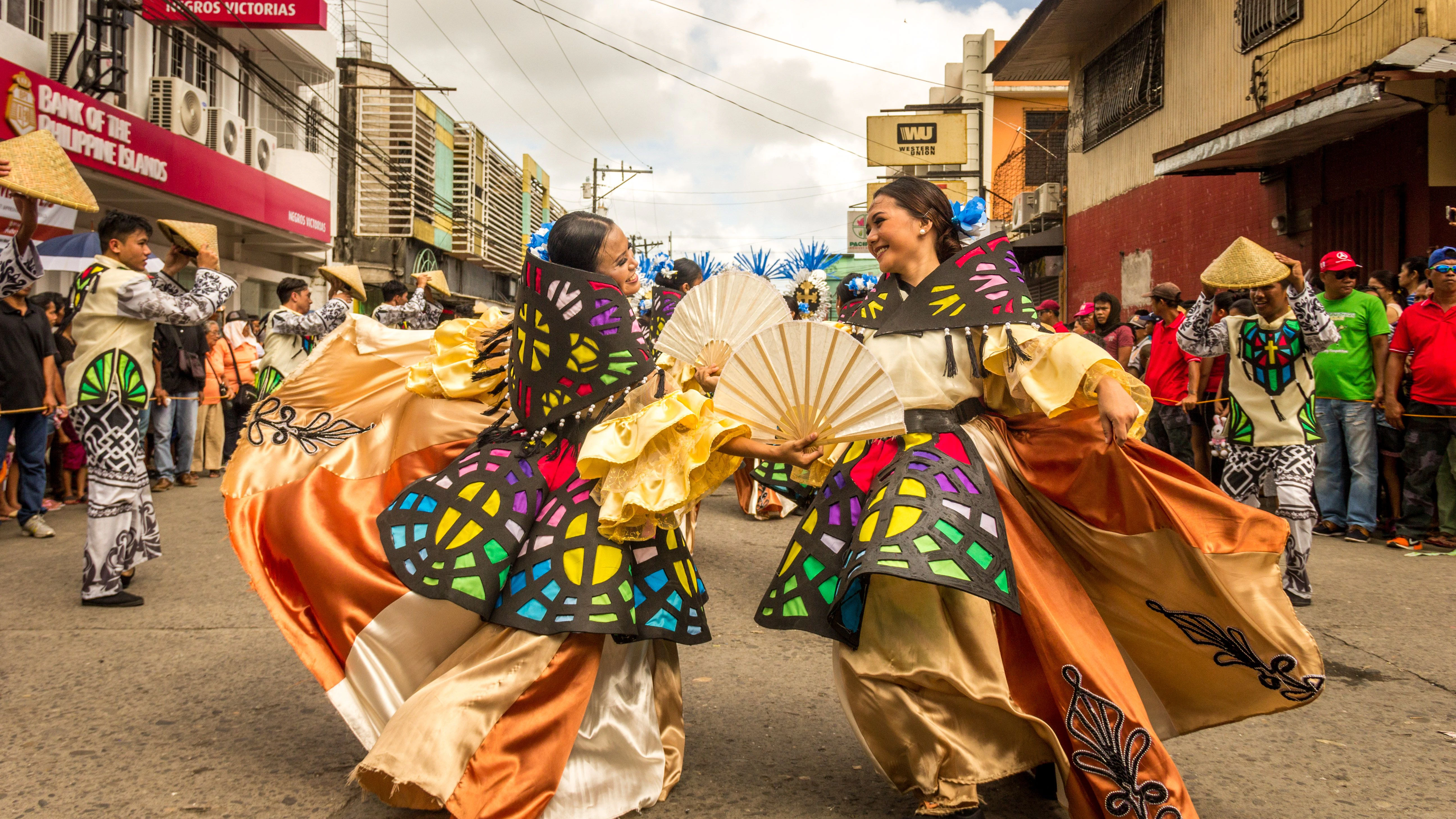
The Philippines offers remarkable cultural diversity across its thousands of islands. Regional identities are reflected through language, cuisine, music, festivals and local customs.
Travelling beyond major cities reveals distinct traditions that vary from province to province. This diversity allows travellers to experience multiple cultural perspectives within a single destination.
What Cultural Experiences Go Beyond Manila?
While Manila offers important historical and cultural attractions, many of the country's most rewarding cultural experiences are found elsewhere. Heritage towns, regional festivals and community-based tourism initiatives provide opportunities to engage with local traditions in meaningful ways.
Travellers interested in cultural immersion travel can explore destinations where traditional practices remain an important part of community life while also enjoying the country's natural beauty and warm hospitality.
How Can You Travel Respectfully in Culture-Rich Destinations?
Why Is Understanding Local Customs Important?
Respectful travel begins with understanding local expectations and cultural norms. Learning about customs before arrival helps travellers engage more confidently and appropriately with local communities.
Simple gestures such as dressing appropriately, asking permission before taking photographs and learning basic greetings can contribute significantly to positive interactions.
How Do Local Guides Enhance Cultural Experiences?
Local guides provide valuable context that helps travellers understand what they are seeing and experiencing. Their knowledge offers insight into traditions, history and social customs that may not be immediately obvious to visitors.
Guided experiences also help ensure that cultural encounters are conducted respectfully and support local communities.
How Should You Plan a Culture-First Journey?
How Much Time Should You Spend in Each Destination?
Culture-first travel benefits from a slower pace. Spending several days in each destination allows travellers to move beyond major attractions and develop a deeper understanding of local life.
Longer stays also increase opportunities to participate in community activities, explore local neighbourhoods and discover experiences that are not always featured in traditional itineraries.
Why Does Slow Travel Create More Meaningful Cultural Connections?
Slower travel encourages observation, interaction and reflection. Instead of rushing between destinations, travellers can focus on quality experiences and meaningful encounters.
This approach aligns naturally with cultural exploration, allowing traditions and local perspectives to become central parts of the journey rather than brief observations.
Why Are Local Guides Essential for Cultural Travel Experiences?
How Do Guides Provide Historical and Cultural Context?
Cultural experiences become significantly richer when supported by knowledgeable local guides. Their expertise helps connect historical events, traditions and contemporary life, creating a deeper understanding of each destination.
Guides can also facilitate access to community experiences that may not be available independently.
How Does Community-Based Tourism Support Cultural Preservation?
Community-based tourism helps ensure that cultural experiences provide benefits to local residents while encouraging the preservation of traditions and heritage.
Supporting locally led experiences allows travellers to contribute positively to the destinations they visit while enjoying more authentic and meaningful interactions.
Expert Travel Tips
Research cultural norms and etiquette before arriving in each destination.
Dress modestly when visiting religious sites, villages or community events.
Choose locally guided experiences for deeper cultural understanding.
Allow flexibility in your itinerary to accommodate festivals and community gatherings.
Learn a few basic phrases in the local language as a sign of respect and appreciation.
Frequently Asked Questions
What is culture-first travel?
Culture-first travel focuses on engaging with local traditions, communities and heritage rather than prioritising sightseeing alone.
Which destinations offer the best cultural travel experiences?
Samoa, Fiji, Sri Lanka, Thailand and the Philippines all provide strong opportunities for cultural immersion travel through local traditions, heritage sites and community-based experiences.
How can I travel respectfully in cultural destinations?
Research local customs, dress appropriately, seek permission before taking photographs and participate in experiences led by local guides or community members.
Is culture-first travel suitable for families?
Yes. Cultural experiences can be adapted for families, couples, solo travellers and groups seeking meaningful travel experiences.
Why should I use a local guide?
Local guides provide historical context, explain traditions and help travellers engage respectfully with local communities.
How long should a cultural-focused itinerary be?
A minimum of one week is recommended, although longer stays often provide more opportunities for meaningful cultural engagement.
Can I combine multiple cultural destinations in one trip?
Yes. Multi-destination itineraries can combine locations such as Sri Lanka, Thailand and the Philippines, creating diverse cultural experiences across a single journey.
What should I pack for culture-focused travel?
Comfortable clothing, modest attire for religious sites, walking shoes and weather-appropriate layers are generally recommended.
Are cultural experiences available year-round?
Many cultural experiences are available throughout the year, although festivals and special events may be seasonal.
What is the benefit of slow travel for cultural exploration?
Slow travel allows more time for observation, participation and meaningful interaction, creating a deeper understanding of local traditions and daily life.
References
Travel with Purpose and Perspective
Culture-first journeys offer more than memorable holidays. They provide opportunities to connect with people, traditions and ways of life that continue to shape communities around the world.
From Samoa's village systems and Fiji's welcoming customs to Sri Lanka's sacred heritage, Thailand's living traditions and the Philippines' remarkable diversity, these destinations demonstrate that culture remains one of travel's most rewarding experiences.
Explore Our Travel Packages and discover how Entire Travel Group can help design a culturally immersive journey that prioritises understanding, connection and meaningful travel experiences.


