Planning a holiday to Thailand soon? Beyond its lively cities and tropical beaches, the country is home to a remarkable collection of temples, archaeological parks and sacred sites that reflect more than 700 years of history. From ancient capitals to towering pagodas, Thailand’s cultural landmarks offer a true window into its spiritual depth and regional identity.
Entire Travel Group’s Thailand holiday packages help you explore Bangkok, Chiang Mai, Ayutthaya and other heritage-rich regions with ease, combining handpicked accommodation, trusted transport and curated activities that immerse you in the heart of Thai culture.
Fun Facts About Thailand’s History and Landmarks
- Thailand is the only Southeast Asian nation never colonised by a European power, which allowed its architectural and spiritual traditions to thrive authentically.
- The Emerald Buddha at the Grand Palace is carved from a single piece of jade and is considered the most sacred image in the country.
- Sukhothai’s name means “Dawn of Happiness” and the city is regarded as the birthplace of Thai art, writing and architecture.
- Khao Phing Kan became globally known after the James Bond film The Man with the Golden Gun featured its dramatic limestone karsts.
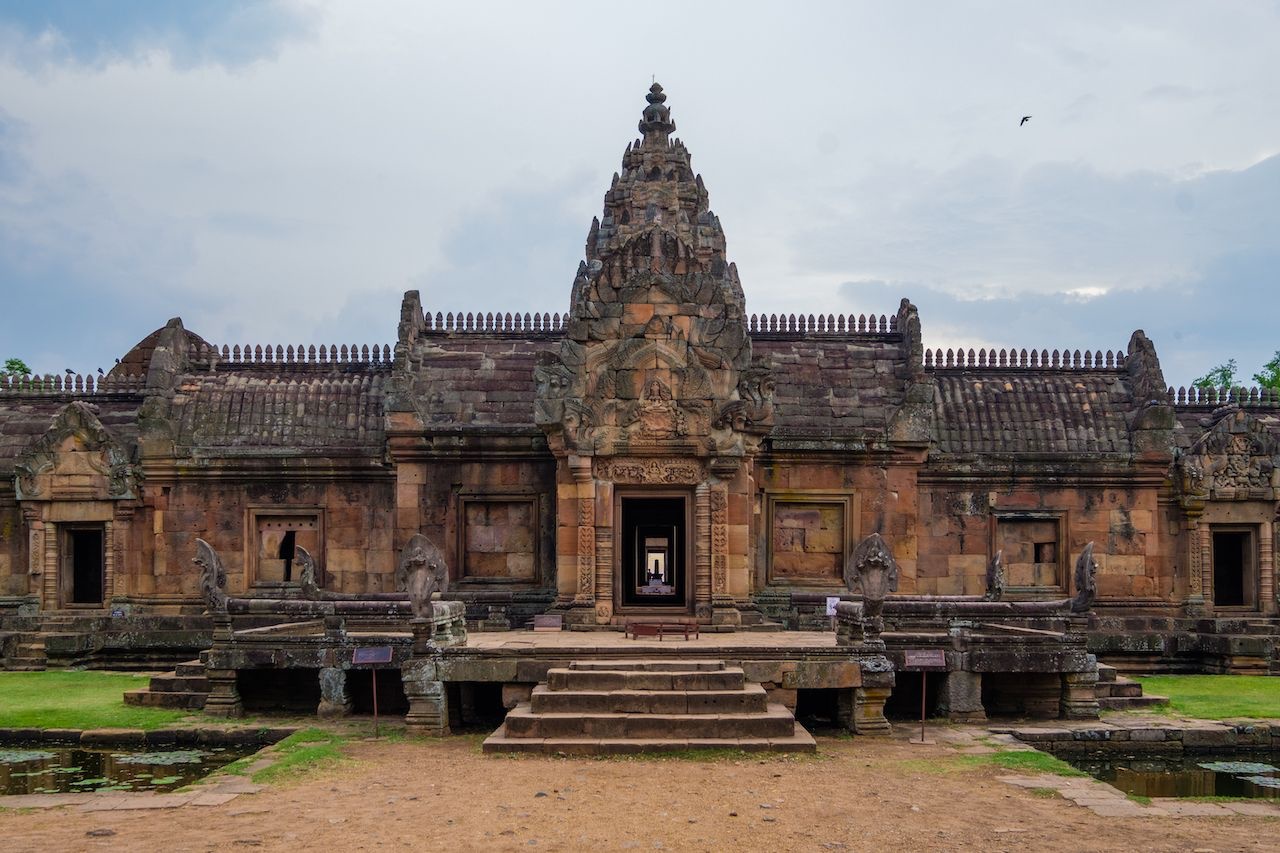
- Phanom Rung’s temple aligns perfectly with the sunrise on specific days of the year, illuminating the entire sanctuary in golden light.
Bangkok’s Royal Treasures and Sacred Spaces
The Grand Palace
One of Thailand's most revered landmarks, the Grand Palace has been at the centre of Thai royalty and state ceremonies since 1782. Inside the complex, you will find glittering halls, intricately carved pagodas and royal residences that showcase craftsmanship from multiple reigns.
The highlight is Wat Phra Kaew, home to the Emerald Buddha. This small but powerful jade statue is considered the palladium of Thailand and plays a major role in royal religious rituals.
Wat Pho
Located near the Grand Palace, Wat Pho is one of the country’s oldest and most spiritually significant temples. It houses the 46-metre long Reclining Buddha, covered in gold leaf and set within a calming sanctuary frequented by worshippers. Wat Pho is also regarded as the birthplace of traditional Thai massage.
Northern Thailand’s Spiritual Icons
Wat Phra That Doi Suthep, Chiang Mai
Rising above Chiang Mai’s old town, Doi Suthep Temple is reached by climbing a staircase flanked by naga serpent statues. Once at the summit, you are rewarded with panoramic views of the city and a golden stupa believed to hold sacred relics. Monks chant throughout the day, adding to the temple’s serene atmosphere.
Wat Rong Khun (White Temple), Chiang Rai
Unlike traditional temples, this contemporary masterpiece combines religious symbolism with artistic interpretation. The white façade represents purity, while thousands of mirrored tiles reflect sunlight, giving the structure a shimmering appearance. Intricate murals inside blend classical Buddhist themes with modern imagery.
Khmer-Inspired Sanctuaries of Thailand’s North and Northeast
Northern and northeastern Thailand are home to some of the best-preserved Khmer structures outside Cambodia. Temples such as Muang Tum, Phimai and Phanom Rung date back nearly a thousand years. Their sandstone lintels, galleries and ceremonial walkways reveal the reach of Khmer influence across the region.
Thailand’s Ancient Capitals and Archaeological Wonders
Sukhothai Historical Park
Sukhothai was the first capital of the Kingdom of Siam and formed the foundation of what we now recognise as Thai culture. The archaeological park features temple ruins, lotus ponds, Buddha images and monumental chedis that evoke the grandeur of the 13th century. It is a UNESCO World Heritage site, ideal for travellers seeking a peaceful experience rooted in history.
Kamphaeng Phet Historical Park
Part of the same UNESCO listing as Sukhothai, Kamphaeng Phet served as a fortified outpost with thick city walls and bastions. Today visitors can explore sanctuaries, tower bases and sculptures in a tranquil forested setting.
Phimai Historical Park
Located in Nakhon Ratchasima, Phimai’s temple complex predates Angkor Wat and influenced its architectural layout. The park’s central sanctuary and intricately decorated pediments stand among Thailand’s most impressive examples of ancient Khmer art.
Western Thailand’s Wartime Legacy
Bridge over the River Kwai
Situated in Kanchanaburi, the Bridge over the River Kwai is an enduring symbol of the impact of World War II on Thailand. The bridge was part of the Death Railway and today serves as a place of remembrance. Visitors often combine the site with local museums and war cemeteries to gain a deeper understanding of wartime history.
Southern Thailand’s Cultural and Natural Heritage
Khao Phing Kan (James Bond Island)
Famous for its dramatic limestone formations rising from Phang Nga Bay, Khao Phing Kan is both a natural and cultural icon. Travellers can explore surrounding caves, paddle through mangroves or cruise past traditional fishing villages.
Wat Plai Laem, Koh Samui
A vibrant temple complex featuring an 18-armed statue of Guanyin and a large seated Buddha, Wat Plai Laem blends Chinese and Thai influences. The surrounding lake adds a peaceful ambience, making this an engaging stop for visitors to Koh Samui.
Amphawa Floating Market
Just outside Bangkok, Amphawa offers an authentic glimpse into traditional Thai commerce. Vendors along wooden canals sell local snacks, handcrafted goods and regional produce. The market operates from Friday to Sunday and retains a distinctly local atmosphere.
Isan’s Volcanic Temples and Sacred Pathways
Phanom Rung Historical Park
Perched atop an extinct volcano, Phanom Rung is among Thailand’s most visually striking Khmer sites. Visitors ascend a long walkway bordered by stone naga, eventually reaching a temple whose sanctuary aligns with sunrise during select times of year. The atmospheric setting and detailed carvings make it a highlight for travellers exploring the northeastern region.
Expert Travel Tips
- Visit major temples early in the day to avoid heat and crowds, especially in Bangkok and Sukhothai.
- Dress respectfully when entering sacred sites by covering shoulders and knees.
- Carry cash for remote markets and small entrance fees, as card payments are not universal.
- Use domestic flights for long distances and trains or private transfers for cultural circuits.
- Stay hydrated during outdoor excursions, particularly when visiting open archaeological sites like Sukhothai or Phanom Rung where shade may be limited.
- Plan visits to floating markets and national parks on weekdays to enjoy a more relaxed atmosphere and shorter queues.
Plan Your Thailand Heritage Journey
Thailand’s historical landmarks offer a rich blend of spirituality, architecture and cultural storytelling. Whether you are exploring the serene ruins of Sukhothai, climbing to Doi Suthep’s hilltop sanctuary or wandering the canals of Amphawa, each region reveals a unique chapter in Thailand’s past.
With Entire Travel Group’s expertly designed Thailand holiday packages, you can explore these heritage sites with confidence, comfort and a well-organised itinerary. Visit the Entire Travel Group website to explore our travel packages and start planning a holiday filled with culture, history and unforgettable moments.