Planning a trip to Singapore and wondering where food fits into the experience? For travellers who value culture, history and flavour, Singapore food experiences are central to understanding the city. This compact island nation is one of Asia's great culinary capitals, shaped by centuries of migration, trade and cultural exchange.
Chinese, Malay, Indian and Peranakan influences intersect across hawker centres, neighbourhood eateries and fine dining rooms. The result is a food scene that feels both deeply rooted and constantly evolving. Whether you are sampling hawker classics, exploring heritage neighbourhoods or dining at innovative modern restaurants, eating in Singapore becomes a journey in itself.
Trip highlights
- Taste iconic Singapore dishes such as chilli crab, laksa and roti prata
- Explore hawker centres recognised by UNESCO for their cultural value
- Discover Peranakan and multicultural flavours unique to Singapore
- Experience modern Singaporean cuisine through innovative reinterpretations
- Pair food exploration with neighbourhoods like Katong, Chinatown and Little India
Why Singapore Is a Global Food Capital
Singapore's food culture reflects its history as a trading port and crossroads of cultures. Over generations, migrants brought recipes, ingredients and cooking techniques from across Asia, adapting them to local tastes and tropical conditions. These influences merged, creating dishes that are now unmistakably Singaporean.
What makes Singapore cuisine especially compelling is its accessibility. Some of the city's most celebrated dishes are found not in formal dining rooms but in hawker centres, where affordable food is prepared with skill and pride. At the same time, Singapore supports a thriving fine dining scene that draws global attention. Singapore's approach to culinary excellence mirrors what you'll find in neighbouring Malaysia's diverse regions, where street food culture also thrives alongside upscale dining.
For travellers, this balance means exceptional food at every level, whether you are eating curbside or celebrating a special occasion.
Chilli Crab: Singapore's Most Iconic Dish
Few dishes are as closely associated with Singapore as chilli crab. Created in the mid-20th century, this seafood dish combines fresh crab with a rich sauce made from tomato, chilli paste and egg, resulting in a flavour profile that is sweet, savoury and gently spicy.
Chilli crab is often enjoyed communally, with diners using bread or mantou buns to mop up the sauce. While variations exist across the city, the focus remains on freshness and balance rather than overwhelming heat.
Sampling chilli crab is as much about atmosphere as flavour. Coastal locations and lively dining rooms add to the experience, making it a memorable introduction to Singaporean seafood cuisine.
Roti Prata and Singapore's Breakfast Culture
Roti prata is one of Singapore's most beloved breakfast staples. Introduced by South Indian migrants, this flatbread has been embraced and adapted into everyday local life. Crisp on the outside and soft within, prata is typically served with fish or mutton curry.
Beyond the classic plain or egg versions, modern prata stalls offer variations filled with cheese, onions or garlic. Early mornings are the best time to experience prata culture, when neighbourhood coffee shops buzz with locals starting their day.
For travellers, roti prata offers insight into how Indian culinary traditions have become part of Singapore's daily rhythm. This blending of cultural influences is a hallmark that distinguishes Singapore from Thailand's street food scene, where regional Thai flavours dominate the local palate.
Laksa and the Peranakan Influence
Laksa sits at the heart of Peranakan cuisine, a culinary tradition shaped by the blending of Chinese and Malay cultures. This spicy coconut-based noodle soup is rich, aromatic and deeply comforting.
Singapore's laksa typically features rice noodles bathed in coconut broth flavoured with dried shrimp, chilli and spices, then topped with prawns, cockles and fish cake. Each bowl reflects careful balance rather than excess.
The popularity of laksa across neighbourhoods highlights how Peranakan food continues to influence Singapore's broader dining landscape.
Rojak: A Dish That Reflects Singapore Itself
Rojak is a salad in name only. This sweet and savoury dish combines fruit, vegetables and fried dough fritters, all coated in a thick sauce made from fermented prawn paste, sugar, chilli and lime.
The word "rojak" translates loosely to an eclectic mix, making it a fitting symbol of Singapore's multicultural identity. Variations exist across communities, including Indian-style rojak served with peanut sauce.
Trying rojak offers a lesson in how contrasting flavours coexist harmoniously, much like the cultures that shape Singapore.
Mod-Sin Cuisine: Modern Singaporean Dining
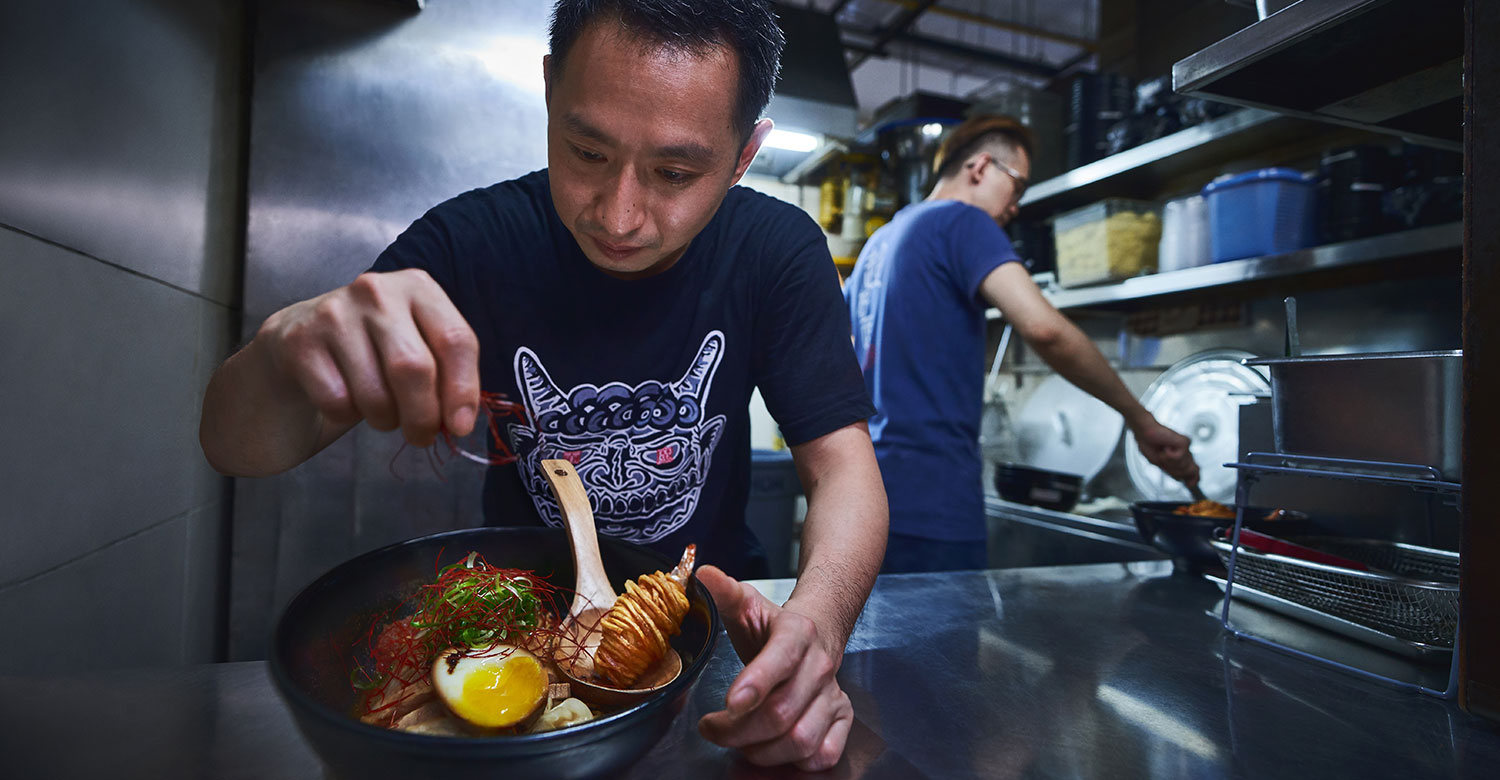
Modern Singaporean cuisine, often referred to as Mod-Sin, represents the next chapter in the country's food story. Chefs reinterpret hawker classics and heritage recipes through contemporary techniques and presentations.
Rather than abandoning tradition, Mod-Sin dining builds upon it. Familiar flavours appear in unexpected forms, allowing diners to experience nostalgia alongside innovation. From refined tasting menus to playful hawker-style reinterpretations, Mod-Sin showcases Singapore's culinary confidence. While Singapore's modern dining scene continues to evolve, the foundation remains distinctly Southeast Asian, much like the traditional dishes found across Italy's regions, where innovation builds upon centuries-old culinary traditions.
For travellers seeking something beyond traditional hawker fare, this style of dining highlights how Singapore's food scene continues to evolve.
Hawker Centres and Everyday Dining
Hawker centres are central to Singapore food culture. These open-air complexes house dozens of stalls, each specialising in a small number of dishes perfected over time.
Recognised by UNESCO as part of Singapore's intangible cultural heritage, hawker centres represent community, affordability and shared experience. Meals are informal, communal and deeply local.
Exploring hawker centres allows travellers to sample a wide variety of dishes in one setting while observing everyday life unfold around them.
Neighbourhoods to Explore Through Food
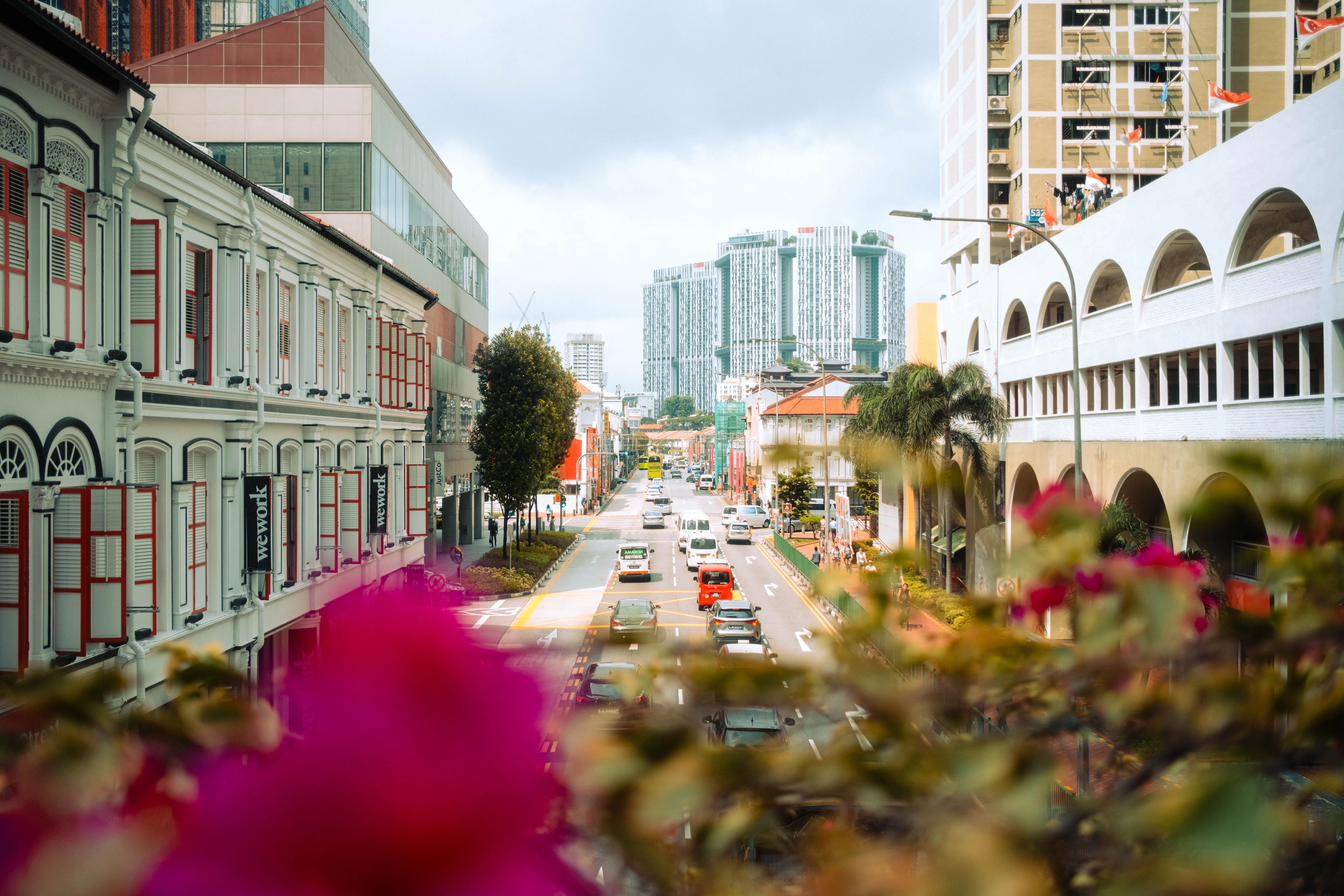
Singapore's food scene is closely tied to its neighbourhoods. Chinatown offers traditional Chinese dishes alongside modern cafés. Little India bursts with spice, colour and South Indian flavours. Katong reflects Peranakan heritage through both architecture and cuisine.
These areas invite travellers to explore beyond central attractions, using food as a guide to local culture and history. The neighbourhood approach to culinary exploration works particularly well when you know interesting facts about Singapore's history, which helps provide context for why certain dishes developed in specific areas.
Traveller experiences
"I thought I knew Asian food, but Singapore completely changed my perspective. Every meal felt meaningful."
– Traveller from Melbourne
"The hawker centres were a highlight. We loved sitting among locals and trying something new every day."
– Couple from Sydney
"The mix of traditional dishes and modern dining surprised us. Singapore felt both familiar and exciting."
– Traveller from Brisbane
Expert Travel Tips for Experiencing Singapore's Food Scene
- Visit hawker centres at off-peak hours to avoid queues
- Carry small cash for hawker stalls, as some do not accept cards
- Explore neighbourhoods beyond the CBD for more local experiences
- Be open to sharing dishes to sample a wider range of flavours
- Balance hawker dining with one or two refined meals for contrast
References
Singapore Tourism Board
- UNESCO Intangible Cultural Heritage
- National Heritage Board Singapore
- Visit Singapore Official Guide
Picture yourself wandering through aromatic hawker centres, savouring chilli crab by the waterfront, and discovering the stories behind every dish. Your Singapore culinary adventure awaits with our Singapore packages.