Greece Travel Guide: Why Spring and Autumn Are the Best Times to Visit
Posted by on 11 Jul 2026
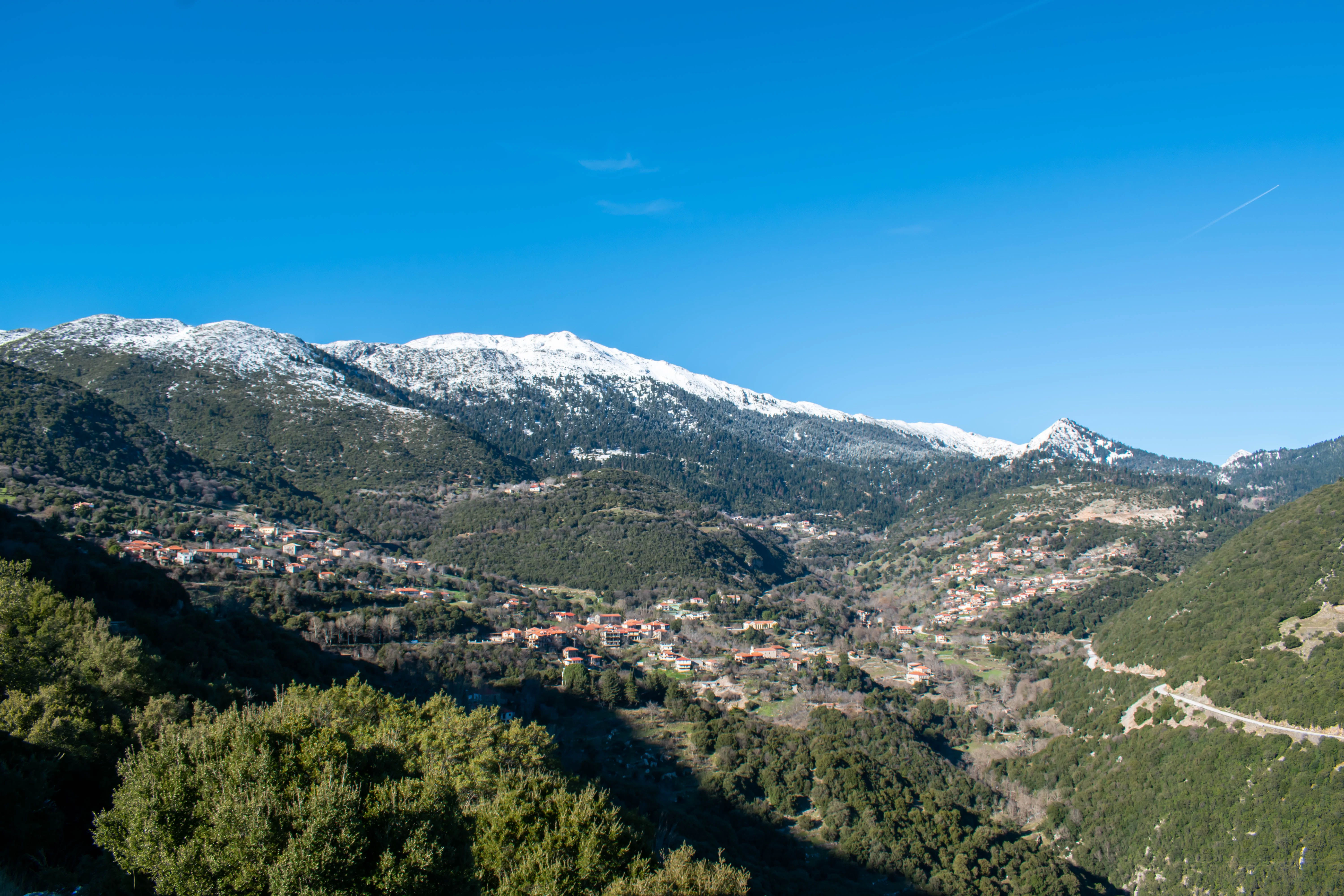
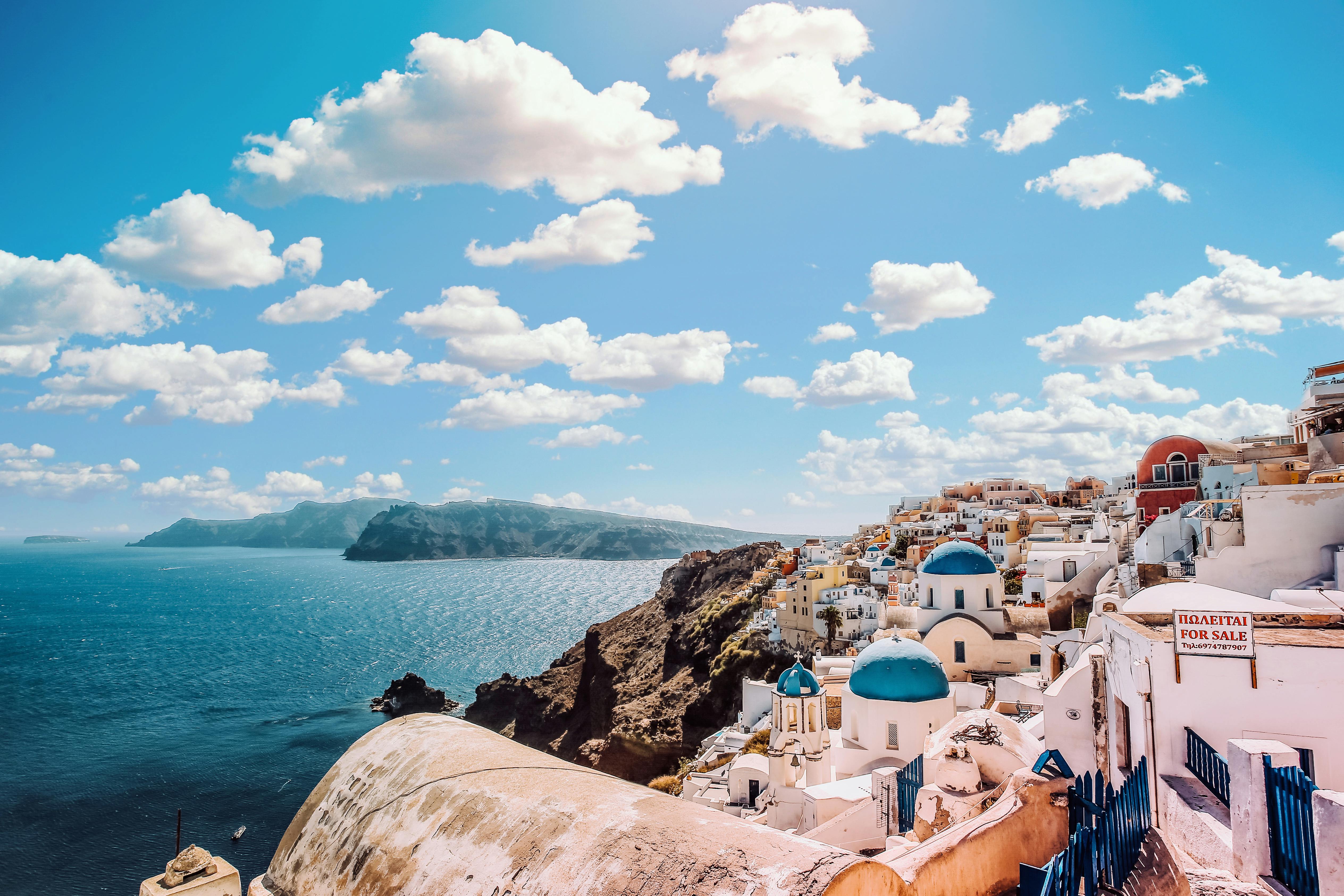
Greece often conjures images of bustling island harbours, sun-drenched beaches and peak summer crowds. Yet some of the country's most rewarding travel experiences emerge outside the busiest months. Spring and autumn reveal a different side of Greece, one where archaeological sites feel more intimate, local communities return to their everyday rhythms and landscapes become ideal for exploration.
For travellers seeking a more relaxed and authentic experience, Greece beyond summer offers remarkable rewards. From the ancient streets of Athens and the soaring monasteries of Meteora to the island life of Crete and Naxos, travelling during the shoulder seasons allows visitors to experience Greece at a gentler pace while still enjoying pleasant weather and excellent hospitality.
Fun Facts
Athens is home to the Acropolis, one of the world's most significant ancient monuments, and visiting during spring or autumn allows travellers to enjoy its historic sites with fewer crowds and milder temperatures.
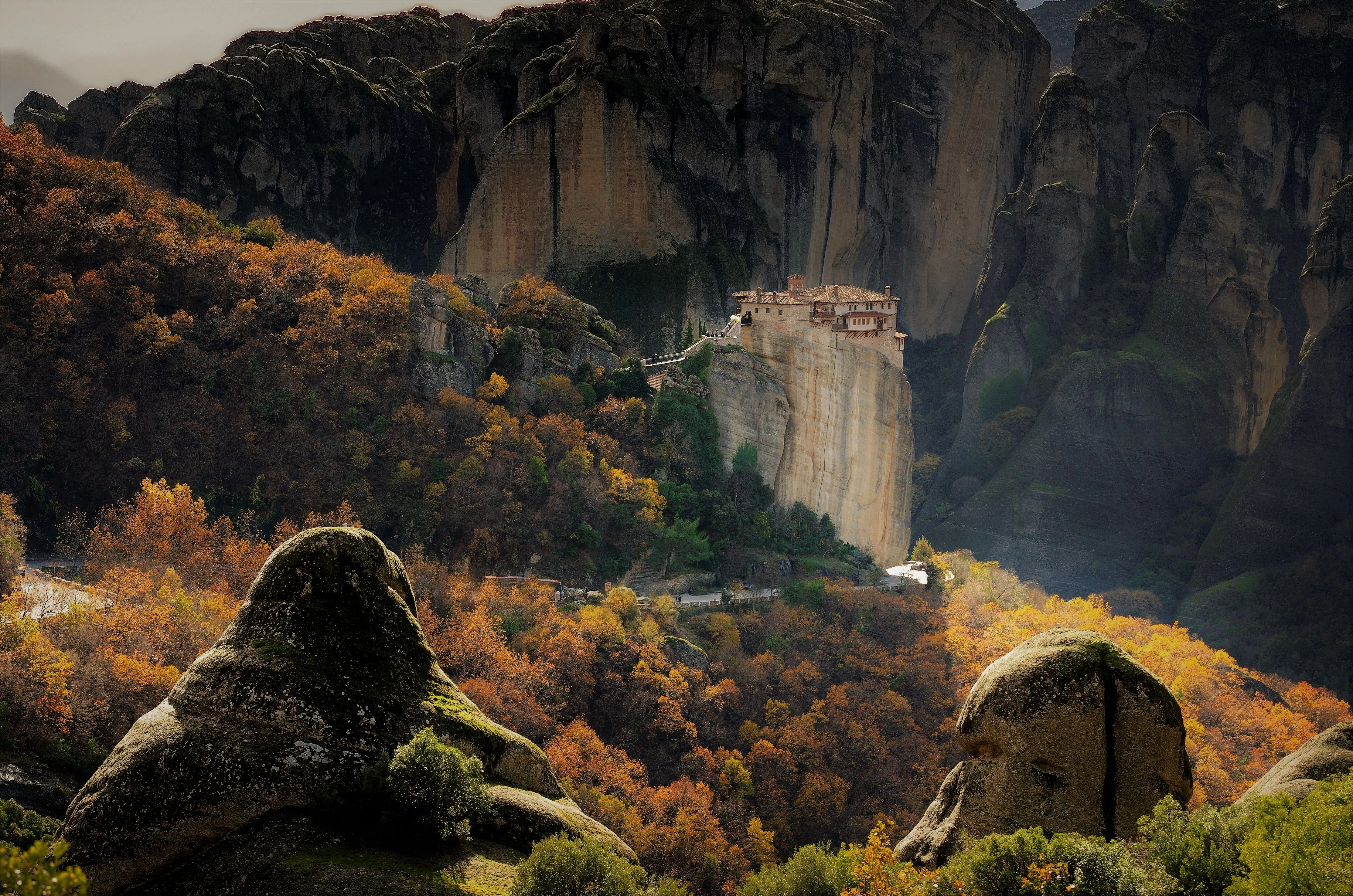
Meteora's monasteries appear to float above towering rock formations, creating one of Greece's most extraordinary UNESCO-listed landscapes that is particularly striking during spring wildflower season and autumn foliage.
Crete is Greece's largest island and offers remarkable diversity, combining ancient archaeological sites, mountain villages, vineyards and beaches within a single destination.
Naxos is the largest island in the Cyclades and remains one of the best places to experience authentic Greek island life, with traditional villages, local festivals and strong agricultural traditions.
Autumn in Greece coincides with olive and grape harvests across many regions, giving travellers the opportunity to experience seasonal food festivals, wine traditions and local celebrations that are often missed during peak summer travel.
Why Visit Greece Outside the Peak Summer Season?
Many travellers automatically plan Greece holidays during July and August, yet spring and autumn often provide a more balanced experience.
Temperatures remain comfortable across much of the country, making it easier to explore archaeological sites, walking trails and historic towns. Accommodation availability tends to improve and popular attractions can be enjoyed without long queues.
Travelling outside peak season also creates opportunities for deeper cultural engagement. Cafés, markets and village squares become places where visitors can observe everyday Greek life rather than navigating large tourist crowds.
For those interested in slow travel Greece experiences, the shoulder seasons provide the ideal environment to linger longer and discover destinations beyond the traditional summer circuit.
What Can You Experience in Athens During Spring and Autumn?
Athens is an excellent starting point for exploring Greece year-round, but spring and autumn offer particularly rewarding conditions. Comfortable temperatures make it easier to explore archaeological sites, historic neighbourhoods and outdoor cafés, while fewer crowds allow for a more relaxed experience.
Blending ancient landmarks with contemporary culture, Athens rewards travellers who take the time to explore beyond its most famous attractions.
Why Are Athens' Historic Sites Better Outside Summer?
The Acropolis remains one of the world's most celebrated archaeological landmarks, yet visiting during spring or autumn allows travellers to explore the site without the intense summer heat. Cooler conditions make it easier to walk through the ancient complex and enjoy panoramic views across the city.
Neighbourhoods such as Plaka, Monastiraki and Psiri are equally enjoyable during these seasons. Plaka's historic streets, Monastiraki's lively markets and Psiri's creative atmosphere offer a deeper look at everyday life in Athens.
The Acropolis Museum provides valuable context to the city's ancient history, while nearby landmarks including the Ancient Agora and Temple of Olympian Zeus further enrich the experience.
How Does Athens Blend Ancient and Modern Culture?
Athens is far more than an archaeological destination. Contemporary galleries, vibrant neighbourhoods and a thriving food scene showcase a city that continues to evolve while remaining deeply connected to its past.
Spring and autumn are ideal for exploring districts such as Kolonaki and Koukaki, where cafés, boutiques and cultural spaces sit alongside historic landmarks. Walking between ancient ruins and modern neighbourhoods highlights the unique contrast that defines the Greek capital.
Food also plays a central role in the Athens experience. Seasonal produce, traditional tavernas and local wine bars introduce travellers to regional flavours while providing insight into modern Greek culture. Together, these experiences make Athens a destination worth lingering in before continuing on to mainland Greece or the islands.
Why Is Meteora One of Greece's Most Remarkable Year-Round Destinations?
Among Greece's most extraordinary landscapes, Meteora offers a completely different experience from the country's islands and coastal destinations. Rising dramatically from the plains of central Greece, this UNESCO-listed region combines natural beauty, religious heritage and centuries of history in a setting unlike anywhere else in Europe.
For travellers seeking a deeper cultural journey, Meteora provides an opportunity to explore one of Greece's most significant spiritual centres while enjoying spectacular scenery and a slower pace of travel. Its location also makes it an ideal addition to broader mainland Greece itineraries, particularly during spring and autumn when conditions are ideal for sightseeing and outdoor exploration.
What Makes Meteora Unique?
Towering sandstone pillars rise dramatically from the Thessalian plains, creating one of Europe's most striking natural and cultural landscapes. These immense rock formations were shaped over millions of years and today form the foundation of one of Greece's most iconic UNESCO World Heritage Sites.
Perched atop the cliffs are the famous monasteries of Meteora, many of which date back to the 14th century and continue to function as active religious communities. Built by monks seeking isolation and spiritual contemplation, the monasteries were once accessible only by rope ladders and baskets suspended from the cliffs.
Today, visitors can explore several of these remarkable structures, discovering centuries-old chapels, religious artefacts and panoramic viewpoints overlooking the surrounding countryside. The combination of dramatic geology and human ingenuity creates an atmosphere that feels both awe-inspiring and deeply reflective.
Beyond the monasteries themselves, the region offers scenic walking routes, quiet villages and numerous viewpoints where travellers can appreciate the scale and beauty of the landscape. Whether viewed at sunrise, sunset or throughout the day, Meteora delivers some of the most memorable scenery in Greece.
Why Visit Meteora During Spring or Autumn?
The shoulder seasons transform Meteora into one of mainland Greece's most rewarding destinations. Spring brings green hillsides, blooming wildflowers and clear skies that contrast beautifully with the towering rock formations. Autumn introduces warm golden tones across the landscape as vineyards, forests and farmland prepare for harvest season.
These seasons also offer more comfortable temperatures for exploring the monasteries and walking between viewpoints. Travellers can spend hours discovering the region's trails and scenic lookouts without the intense heat often experienced during peak summer.
Photographers particularly appreciate spring and autumn for the softer natural light and improved visibility. Early mornings often reveal mist drifting through the valleys below the monasteries, while sunset casts a warm glow across the cliffs and surrounding countryside.
Visiting outside the busiest summer period also allows for a more peaceful experience. With fewer crowds, travellers have greater opportunities to appreciate the spiritual atmosphere, architectural details and natural beauty that make Meteora one of Greece's most remarkable destinations year-round.
What Makes Crete Ideal Beyond the Summer Rush?
As Greece's largest island, Crete offers enough diversity to justify travel throughout much of the year.
How Does Crete Combine Nature, History and Culture?
Crete balances archaeological treasures, mountain landscapes and coastal beauty.
Visitors can explore the ancient Palace of Knossos, wander Venetian harbours in Chania and Rethymno or venture into traditional villages where local customs remain central to community life.
The island's varied geography also creates opportunities for hiking, wine tasting and culinary exploration.
Why Is Autumn Particularly Rewarding in Crete?
Autumn coincides with harvest season across much of Crete.
Olive groves, vineyards and farms become active as local producers prepare seasonal products. Travellers often encounter food festivals, local markets and opportunities to experience rural traditions that are less visible during peak tourist months.
The sea also remains warm enough for swimming well into autumn, creating an appealing combination of cultural and coastal experiences.
Why Is Naxos One of the Best Greek Islands Outside Summer?
While islands such as Santorini and Mykonos attract significant attention, Naxos offers a more relaxed alternative.
What Makes Naxos Different?
Naxos combines beautiful beaches with mountain villages, agricultural landscapes and a strong sense of local identity.
The island's interior reveals traditional communities where farming remains an important part of daily life. Historic churches, stone villages and scenic roads provide excellent opportunities for exploration.
How Does Naxos Showcase Authentic Island Life?
Outside peak summer, Naxos settles into a slower rhythm.
Markets, cafés and family-run tavernas serve local residents as much as visitors. Travellers can experience village festivals, traditional cuisine and community life in ways that often feel more authentic than during the busiest months.
This makes Greece island travel in autumn particularly appealing for travellers seeking cultural depth alongside coastal scenery.
How Does Food and Wine Change With the Seasons?
Seasonality remains deeply embedded within Greek food culture.
Spring brings fresh herbs, vegetables and regional specialities, while autumn introduces harvest celebrations focused on grapes, olives and local produce.
Across mainland Greece and the islands, seasonal menus showcase ingredients at their peak. Family-run tavernas often offer dishes that reflect regional traditions passed through generations.
Wine regions throughout Greece also become particularly interesting during harvest periods, providing opportunities to learn about indigenous grape varieties and local production techniques.
Why Is Slow Travel Perfect for Greece?
Greece rewards travellers who resist the urge to rush.
Rather than attempting to visit numerous islands or destinations in a short period, many visitors find greater satisfaction in spending longer in fewer places.
This approach allows time for spontaneous discoveries, local interactions and meaningful experiences that cannot be scheduled into tightly packed itineraries.
Whether enjoying coffee in an Athens square, watching sunset from a village in Naxos or exploring monasteries in Meteora, slower travel often creates the most memorable moments.
Expert Travel Tips
Visit during April to June or September to October for comfortable weather, fewer crowds and excellent sightseeing conditions.
Allow at least two nights in Meteora to fully experience the monasteries and surrounding landscapes.
Combine Athens with one mainland destination and one island for a balanced itinerary.
Book ferry services in advance during school holiday periods even outside peak summer.
Try seasonal regional dishes and local wines to gain a deeper appreciation of Greek culture and traditions.
Frequently Asked Questions
When is the best time to visit Greece?
Spring (April to June) and autumn (September to October) generally offer pleasant weather and fewer crowds.
Is Greece warm in autumn?
Yes. Many regions remain comfortably warm through October, particularly the islands.
Can you swim in Greece during autumn?
Yes. Sea temperatures often remain suitable for swimming into October.
Is Meteora worth visiting?
Absolutely. Meteora is one of Greece's most unique cultural and natural attractions.
Which Greek island is best outside summer?
Naxos and Crete are excellent choices due to their size, cultural experiences and year-round appeal.
How many days should I spend in Greece?
Ten to fourteen days allows travellers to combine Athens, mainland destinations and one or two islands.
Is Greece expensive outside summer?
Travelling during spring and autumn can offer better value through lower accommodation costs and increased availability.
Experience Greece Beyond the Summer Crowds
Travelling through Greece during spring and autumn reveals a richer and more relaxed perspective on this remarkable destination. Ancient cities, mountain monasteries and island communities become easier to explore, while seasonal traditions provide deeper cultural insight.
Whether you're interested in Greece spring travel, Greece autumn travel, mainland cultural routes or quieter island experiences, travelling beyond summer allows you to discover the country's enduring appeal at your own pace.
Explore our travel packages with Entire Travel Group and discover how a thoughtfully planned Greek journey can connect history, culture, landscapes and local life throughout every season.