Greece Inland Travel Guide: Mountains, Monasteries and Market Towns
Posted by on 23 Jul 2026
Greece is often imagined through its islands, blue-domed churches and summer coastlines, yet the mainland holds some of the country's most rewarding travel experiences. Away from the busiest island routes, inland Greece reveals mountain villages, historic monasteries, regional markets and landscapes shaped by centuries of culture.
For travellers seeking a deeper perspective, inland Greece offers an ideal balance of history, nature and local life. Epirus introduces stone villages and dramatic gorges. Meteora rises from the plains with monasteries perched on towering rock formations. The Peloponnese brings together market towns, ancient sites, mountain roads and traditional food. Together, these regions show why mainland Greece deserves a place on any thoughtfully planned itinerary.
Fun Facts
Meteora's monasteries were originally accessible only by rope ladders and baskets suspended from the cliffs.
The Zagori region in Epirus contains more than 40 traditional stone villages connected by historic footpaths and bridges.
The Peloponnese is home to some of Greece's most important archaeological sites, including Ancient Olympia and Mycenae.
Many inland Greek villages still host seasonal festivals celebrating local food, harvests and religious traditions.
Greece's mainland mountain regions produce some of the country's most distinctive cheeses, honey and wines.
Why Explore Inland Greece Beyond the Islands?
Greece's islands remain iconic, but inland regions offer a different rhythm. Here, travel is less about moving between beaches and more about understanding how landscape, food and faith shape everyday life.
The mainland is remarkably varied. Mountain roads pass through forests and stone villages, monasteries overlook valleys and markets bring together farmers, bakers and artisans. This makes inland Greece especially rewarding for travellers who enjoy culture, food and scenic exploration in equal measure.
Travelling inland also helps balance a wider Greek holiday. After time in Athens or the islands, regions such as Epirus, Meteora and the Peloponnese introduce cooler mountain air, quieter towns and more spacious landscapes.
What Makes Epirus One of Greece's Most Scenic Inland Regions?
Epirus, in northwestern Greece, is a region of mountains, rivers and villages built from local stone. It feels far removed from the busier coastal routes, making it ideal for travellers seeking nature and cultural depth.
Why Visit the Zagori Villages?
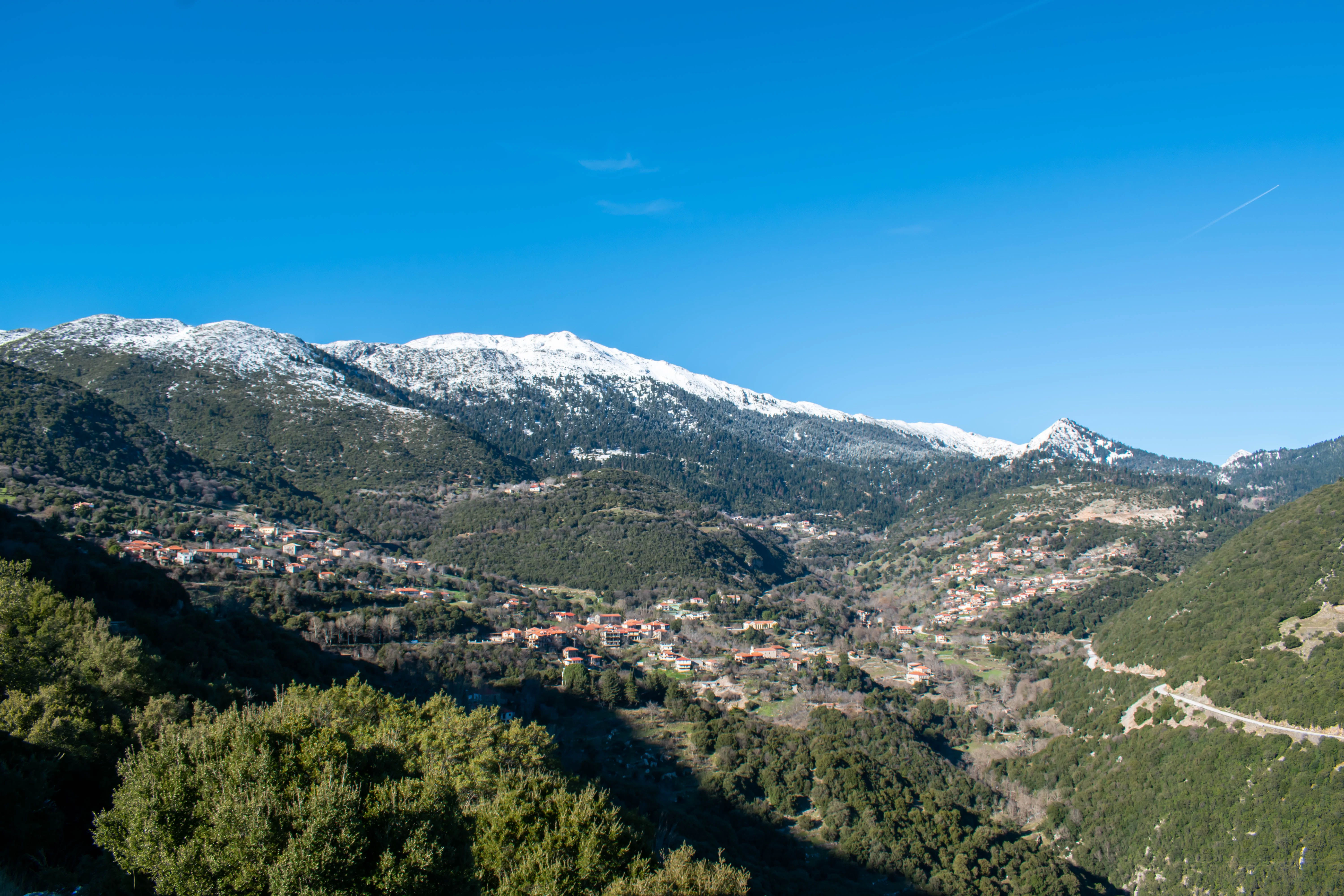
The Zagori region is one of the highlights of inland Greece. Known for its stone houses, arched bridges and forested surroundings, Zagori preserves a strong architectural identity. Villages such as Monodendri, Papingo and Dilofo are built around cobbled lanes and central squares where daily life unfolds at a measured pace.
These villages are connected by old walking paths once used by traders and residents. Exploring them on foot allows travellers to appreciate details that are easily missed by car, from carved doorways to shaded courtyards and mountain views.
How Do Vikos Gorge and Mountain Landscapes Shape the Experience?
Epirus is also home to Vikos Gorge, one of mainland Greece's most dramatic natural landscapes. Walking viewpoints around the gorge reveal steep limestone cliffs, forested slopes and the winding Voidomatis River below.
The surrounding landscape encourages gentle adventure rather than rushed sightseeing. Travellers can enjoy scenic walks, river views and village-to-village exploration while returning each evening to small guesthouses and traditional tavernas.
Food in Epirus reflects the mountain environment. Pies filled with greens, cheese or meat are regional staples, while local dairy, honey and grilled meats appear frequently on menus. These dishes offer insight into a practical cuisine shaped by farming, climate and community life.
Why Is Meteora One of Mainland Greece's Most Remarkable Destinations?
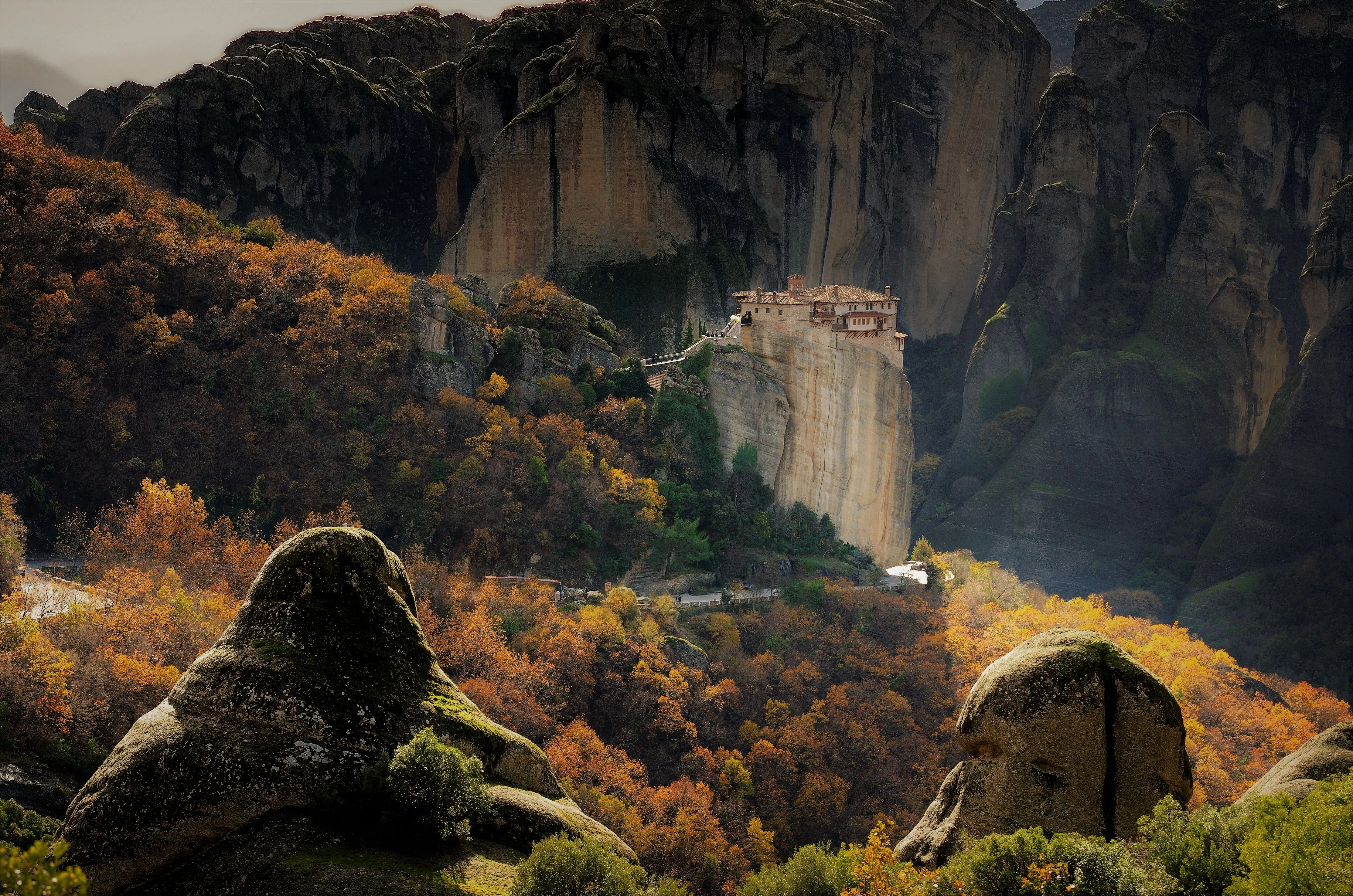
Meteora offers one of the most striking combinations of nature and culture in Europe. Towering rock pillars rise from the Thessalian plain, crowned by centuries-old monasteries that remain among Greece's most recognisable inland landmarks.
What Makes the Meteora Monasteries Unique?
The Meteora monasteries are recognised by UNESCO for their cultural and natural significance. Monks began settling on the region's sandstone peaks from the 11th century onwards, with monasteries later built in seemingly inaccessible locations. Today, several remain open to visitors, offering insight into monastic life, religious art and Byzantine architecture.
The setting is what makes Meteora unforgettable. Monasteries appear suspended above the landscape, with viewpoints revealing cliffs, valleys and distant mountains. Visiting these sites provides both a spiritual and scenic experience, making Meteora essential for any mainland Greece journey.
How Should Travellers Experience Meteora at a Slower Pace?
Meteora rewards time. Rather than visiting as a quick stop, spending at least two nights allows travellers to see the landscape in different light. Early mornings and late afternoons are especially atmospheric, when shadows move across the cliffs and the monasteries feel quieter.
Walking trails connect viewpoints and monastery routes, allowing visitors to experience the landscape gradually. Local towns such as Kalambaka and Kastraki provide convenient bases, with tavernas, guesthouses and views towards the rock formations.
Spring and autumn are particularly appealing, with comfortable walking conditions and softer light for photography.
What Can Travellers Discover in the Peloponnese?
The Peloponnese is one of Greece's richest regions for history, food and regional exploration. Connected to the mainland by the Corinth Canal, this large peninsula contains ancient sites, mountain villages, coastal towns and fertile agricultural landscapes.
Why Is the Peloponnese Ideal for a Road Trip?
A Peloponnese road trip allows travellers to combine several different experiences within one journey. Routes can include ancient Olympia, Mycenae, Nafplio, Monemvasia, Mani villages and mountain towns such as Dimitsana or Stemnitsa.
Distances are manageable, but the region rewards slow pacing. Scenic roads wind through olive groves, vineyards and rugged hills, with opportunities to stop at local cafés, viewpoints and small museums.
This flexibility makes the Peloponnese ideal for travellers who enjoy independent-style exploration with curated planning.
Which Market Towns and Villages Should You Explore?
Market towns across the Peloponnese reveal the everyday character of inland Greece. Nafplio blends neoclassical architecture with harbour views, while Tripoli offers access to the central highlands. In Arcadia, villages such as Dimitsana and Stemnitsa showcase stone architecture, mountain air and traditional crafts.
Local markets are central to the region's appeal. Seasonal produce, olives, cheeses, herbs and honey reflect the agricultural strength of the Peloponnese. Visiting markets offers a grounded way to understand regional food culture beyond restaurant menus.
How Does Food Shape an Inland Greece Journey?
Food is one of the clearest ways to understand mainland Greece. While island cuisine often centres on seafood, inland regions draw heavily on mountain produce, olive oil, grains, dairy and seasonal vegetables.
In Epirus, savoury pies and local cheeses are central to daily eating. Around Meteora and Thessaly, tavernas serve grilled meats, vegetable dishes and regional wines. In the Peloponnese, olive oil, citrus, honey and wine reflect the peninsula's fertile landscapes.
Exploring traditional food in mainland Greece allows travellers to connect flavours with place. Meals are often simple but deeply regional, served in family-run tavernas where ingredients come from nearby farms.
Food-focused travel can also include olive oil tastings, vineyard visits, cooking classes and market walks. These experiences add depth to an inland Greece itinerary, especially for travellers interested in culture as much as scenery.
Why Are Monasteries and Faith Central to Inland Greece?
Faith remains visible across inland Greece, not only in major monasteries but also in village chapels, roadside shrines and religious festivals.
Meteora is the most dramatic example, yet the Peloponnese and Epirus also hold monasteries set into hillsides, forests and remote valleys. These places often combine spiritual purpose with architectural and historical value.
When visiting religious sites, travellers should dress modestly, move quietly and follow local guidance. Respectful travel ensures these spaces remain meaningful for worshippers while still being accessible to visitors.
Religious festivals can also provide insight into community life. In smaller towns, feast days may include church services, music, food and gatherings that bring residents together.
How Can Slow Travel Reveal a Deeper Side of Greece?
Slow travel is particularly rewarding inland because the experience depends on observation and connection. Unlike highly structured sightseeing routes, inland Greece invites travellers to linger.
A slow approach might mean staying in a mountain village for two nights instead of rushing through, allowing time for a morning walk, a long lunch and an unplanned conversation with a local host. It might mean spending an extra day in the Peloponnese to explore a market, visit a winery or follow a scenic backroad.
This style of travel also supports smaller communities. Guesthouses, family-run tavernas, local guides and regional producers benefit when travellers spend more time in fewer places.
For Entire Travel Group travellers, this approach aligns naturally with curated journeys that balance comfort, cultural depth and meaningful pacing.
How Should You Plan an Inland Greece Itinerary?
A well-paced inland Greece journey may begin in Athens before moving north to Meteora or west towards Epirus. From there, travellers can continue south to the Peloponnese or design a route focused on one region in greater depth.
For a shorter journey, Athens and Meteora can be combined with selected Peloponnese towns. For ten to fourteen days, travellers can include Epirus, Meteora and the Peloponnese at a relaxed pace.
Rail, private transfers and guided touring may work for some routes, while self-drive travel provides flexibility in the Peloponnese and mountain regions. The best structure depends on the traveller's comfort level, pace and interests.
Expert Travel Tips
Visit in spring or autumn for comfortable temperatures, fewer crowds and ideal conditions for walking through villages, monasteries and historic towns.
Allow extra time for mountain roads, particularly in Epirus and the Peloponnese, where distances can take longer than expected.
Dress modestly when visiting monasteries and religious sites, covering shoulders and knees where required.
Stay overnight in smaller towns or villages to experience local markets, evening dining and a slower rhythm.
Balance major landmarks with regional food experiences, such as market visits, olive oil tastings or family-run tavernas.
Frequently Asked Questions
Is inland Greece worth visiting?
Yes. Inland Greece offers mountain villages, monasteries, ancient sites, markets and regional food experiences that provide a deeper perspective beyond the islands.
What are the best inland regions to visit in Greece?
Epirus, Meteora and the Peloponnese are excellent choices for travellers interested in scenery, culture, history and traditional food.
How many days do you need for an inland Greece itinerary?
Seven to ten days can cover Athens, Meteora and part of the Peloponnese. Ten to fourteen days allows a more relaxed route including Epirus.
When is the best time to visit inland Greece?
Spring and autumn are ideal for comfortable weather, walking conditions and fewer crowds. Summer can be hot in some inland areas.
Is Meteora suitable for first-time visitors to Greece?
Yes. Meteora is one of Greece's most memorable cultural landscapes and pairs well with Athens or a broader mainland itinerary.
Is a car needed for inland Greece?
A car is useful in regions such as Epirus and the Peloponnese, though guided touring and private transfers can also work well.
What food is inland Greece known for?
Inland Greece is known for savoury pies, cheeses, olive oil, grilled meats, honey, local wines and seasonal produce.
Can inland Greece be combined with the islands?
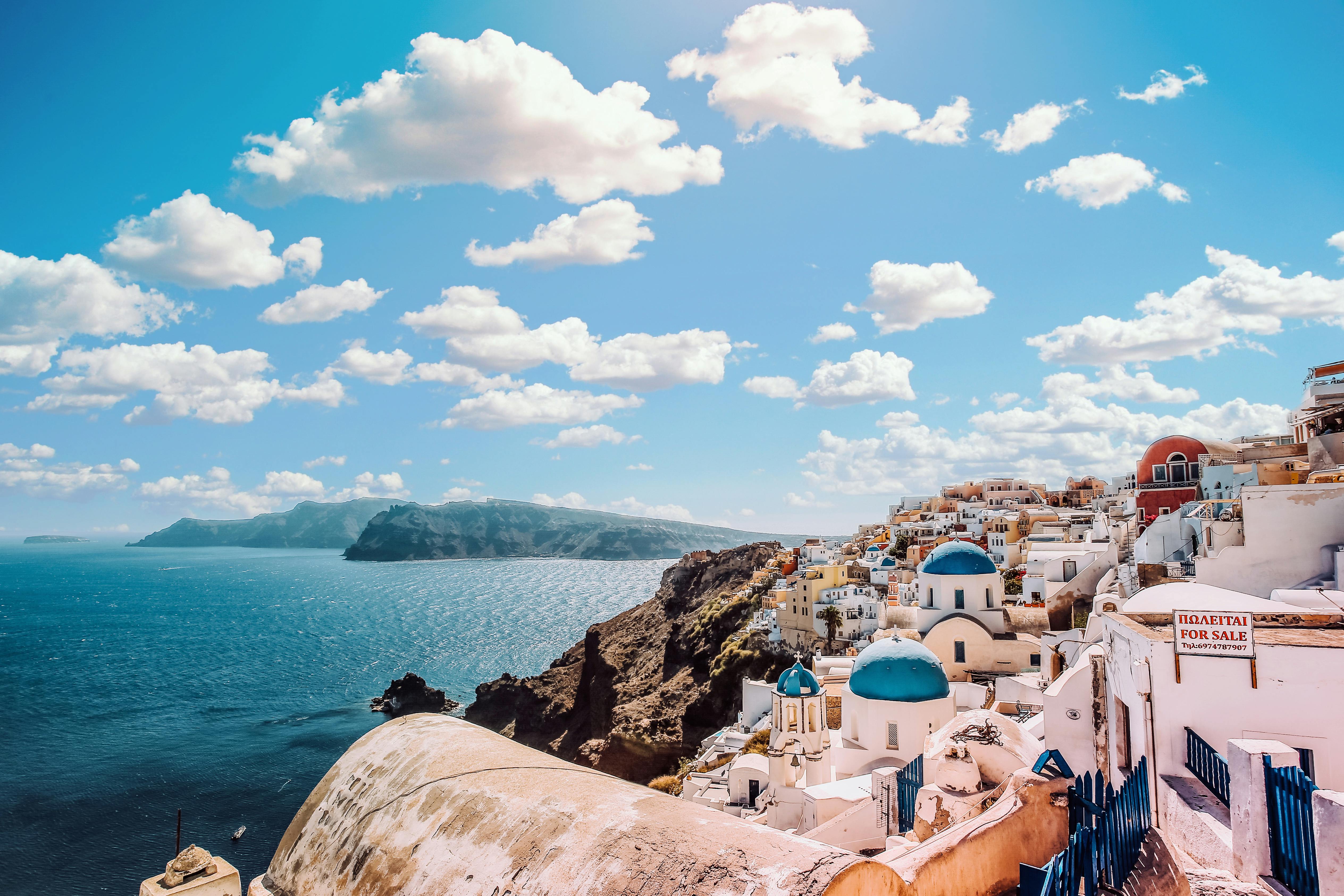
Yes. Many travellers combine Athens and inland regions with islands such as Crete, Naxos or Santorini for a varied Greek journey.
References
Discover Greece Beyond the Coast
Inland Greece reveals a country shaped by mountains, monasteries, markets and regional traditions. From the stone villages of Epirus to the spiritual landscapes of Meteora and the historic towns of the Peloponnese, the mainland offers a journey rich in heritage and atmosphere.