Why Sri Lanka is Asia’s Next Big Travel Destination
Posted by on 22 Oct 2025
Sri Lanka is fast emerging as one of the region’s most captivating destinations, blending ancient heritage, lush nature and warm hospitality into one unforgettable journey. This island nation, often called the “Pearl of the Indian Ocean,” has everything travellers seek, from pristine beaches and misty tea-covered hills to wildlife safaris, UNESCO World Heritage Sites and mouth-watering cuisine.
What sets Sri Lanka apart is how effortlessly it offers variety. In one day, you can wake up by the sea, explore a jungle temple, and end your evening sipping tea in the highlands. For travellers who value diversity and discovery, Sri Lanka feels tailor-made. At Entire Travel Group, our independent Sri Lanka holiday packages capture this balance of culture, nature and comfort — letting you explore the island’s treasures at your own pace.
Trip Highlights
Relax on golden beaches and snorkel among coral reefs on Sri Lanka’s southern and eastern shores
Spot elephants, leopards and exotic birds on a Sri Lanka safari through Yala or Udawalawe National Park
Ride the scenic train through Sri Lanka’s tea country, where rolling plantations meet misty mountain views
Explore the island’s UNESCO heritage sites, from Sigiriya Rock Fortress to Dambulla Cave Temples
Immerse yourself in local culture through spice gardens, street food, markets and warm Sri Lankan hospitality
Unwinding on the Coast: Beaches & Islands
Best Beach Destinations in Sri Lanka
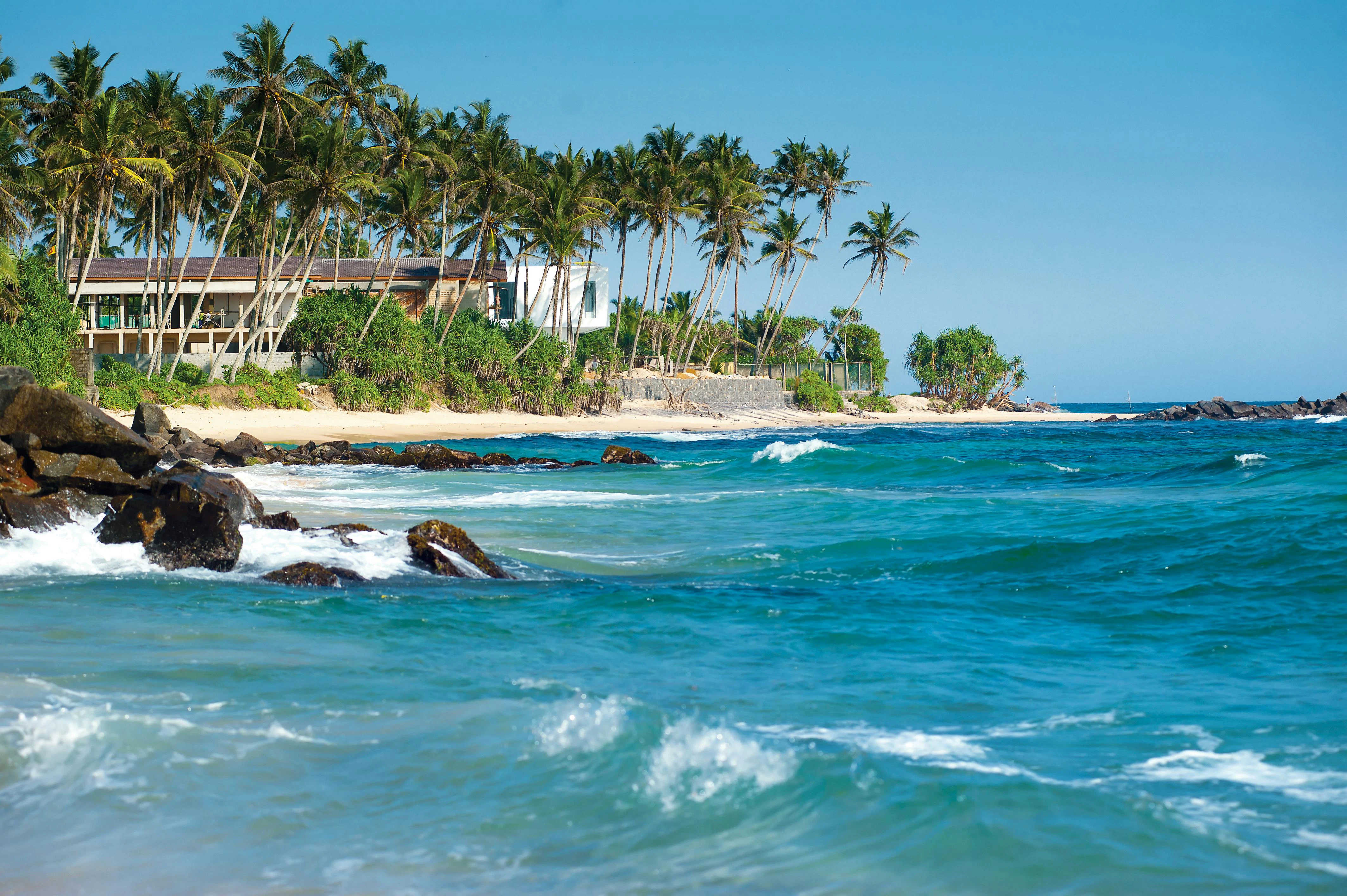
Sri Lanka’s coastline stretches over 1,300 kilometres, making it a paradise for beach lovers. Unlike the crowded shores of other tropical destinations, Sri Lanka’s beaches strike a balance between beauty, tranquility, accessibility and comfort.
On the south coast, the resorts of Mirissa, Unawatuna and Tangalle are known for their golden sands, palm-fringed coves and calm waters ideal for swimming or paddleboarding. Mirissa is one of the world’s best spots for whale watching, where blue whales can often be seen gliding just off the coast between December and April. Tangalle, on the other hand, offers seclusion, boutique resorts and ocean views that feel almost untouched.
The east coast comes alive during the northern summer months. Arugam Bay is a surfer’s dream, attracting professionals and beginners alike. Passikudah and Trincomalee feature wide, shallow beaches and coral reefs perfect for snorkelling. The atmosphere here is relaxed and local, making it easy to connect with the community.
What makes Sri Lanka’s beaches particularly appealing is how close they are to other attractions. Within just a few hours, you can leave the sand behind and head into lush rainforest or historical towns. The island’s size means you never have to choose between adventure and relaxation; you can have both.
Into the Wild: Wildlife Safaris & Rainforest Escapes
Safari Adventures in Sri Lanka
For wildlife enthusiasts, Sri Lanka’s national parks rival Africa’s in diversity and experience. Yala National Park, located in the southeast, is the most famous, boasting the highest density of leopards in the world. Morning and dusk safaris reveal elephants crossing the plains, peacocks displaying their feathers, and crocodiles resting by the water’s edge.
In Udawalawe National Park, herds of elephants roam freely through open landscapes, a photographer’s dream. Meanwhile, Wilpattu National Park, with its natural lakes and quieter atmosphere, offers an equally rich but less-crowded experience.
For those who prefer dense rainforest to dry plains, the Sinharaja Forest Reserve, a UNESCO World Heritage Site, provides a completely different kind of adventure. Home to countless endemic species, it’s one of the last remaining areas of virgin tropical rainforest in Sri Lanka. Walking through its emerald canopy, you’ll encounter vibrant birdlife, exotic plants and the echoes of cascading waterfalls.
Why Sri Lanka is a wildlife haven
The island’s size makes it possible to enjoy multiple ecosystems in a single trip. You can combine a few days on safari with mountain treks or cultural tours, all without long travel distances. Conservation efforts have also improved significantly in recent years, with sustainable lodges and locally guided tours ensuring that wildlife tourism benefits communities as well as nature.
Hills, Tea & Heritage: The Cultural Highlands
Tea Country & Scenic Rail Journeys
No trip to Sri Lanka is complete without venturing into its highlands. The central hills, stretching from Kandy to Ella, are blanketed with rolling tea plantations that produce some of the finest Ceylon tea in the world. The climate here is cool and crisp, a welcome change after the coastal heat.
One of the most memorable experiences is the train journey from Kandy to Ella, often described as one of the most scenic in the world. The track winds through misty valleys, terraced tea fields and mountain villages, offering endless photo opportunities. Travellers can stop in Nuwara Eliya, a hill station with colonial charm, and visit working plantations where you can watch the tea-making process from leaf to cup.
The region’s beauty lies in its tranquillity. With boutique lodges, scenic lookouts and cool evenings, it’s an ideal place to unwind after days of exploration. Hiking trails like Little Adam’s Peak in Ella or the Horton Plains National Park trek to World’s End reward walkers with panoramic views over the valleys below.
Heritage & UNESCO Sites
Sri Lanka’s cultural triangle in the island’s centre reveals a civilisation thousands of years old. At its heart is Sigiriya, an ancient rock fortress rising 200 metres above the plains. Built in the 5th century, it combines royal grandeur with astonishing engineering. Climb its stairways to reach the summit, where you’ll find palace ruins and frescoes overlooking vast forest.
Nearby, the Dambulla Cave Temples contain more than 150 Buddha statues and murals dating back to the first century BCE. Each chamber glows with vibrant colours, making it one of the most striking spiritual sites in Asia.
Further north lies Anuradhapura, Sri Lanka’s first capital, filled with ancient stupas, monasteries and reservoirs. Polonnaruwa, another UNESCO-listed site, displays well-preserved sculptures and royal ruins that showcase the country’s artistic legacy.
Heading south, Kandy serves as Sri Lanka’s cultural capital. The Temple of the Tooth houses a revered relic of the Buddha, attracting pilgrims year-round. During the Esala Perahera festival in July or August, the city bursts into celebration with traditional dancers, drummers and decorated elephants.
Down on the southern coast, Galle Fort reflects Sri Lanka’s colonial history with its Dutch-era ramparts and seaside charm. Cafés, boutiques and art galleries fill the old buildings, making it one of the most atmospheric places to stroll at sunset.
Each heritage site tells a chapter of Sri Lanka’s story, from ancient Buddhist kingdoms to European colonialism, adding depth to every journey across the island.
Expert Travel Tips
Best time to visit: Sri Lanka’s tropical climate means travel is possible year-round. The south and west coasts are best from December to March, while the east coast shines from May to September. For wildlife and cultural travel, January through April offers the most balanced conditions.
Getting around: Sri Lanka’s compact size allows travellers to see a lot in a short time. Use scenic train rides through the highlands for the views, private drivers for flexibility and domestic flights for efficiency. Roads are generally well-maintained and English is widely spoken.
Cultural etiquette: When visiting temples, dress modestly by covering shoulders and knees and removing shoes at entrances. Public behaviour is polite, and locals appreciate greetings with a smile or slight nod. Always ask before photographing people or religious icons.
Packing essentials: Bring breathable clothing, comfortable shoes, insect repellent and sun protection. For the highlands, pack a light jacket as temperatures drop in the evenings. Binoculars and a good camera are ideal for wildlife and landscapes.
Sustainable travel: Choose eco-certified lodges and locally run tours. Avoid plastic bottles by carrying a reusable one, and support local artisans by purchasing authentic handicrafts. Entire Travel Group works with partners committed to sustainable tourism in Sri Lanka, ensuring your journey supports local communities.
Health & safety: Stick to bottled or filtered water, apply mosquito repellent and carry basic medication for tropical travel. Sri Lanka is safe, friendly and well-prepared for visitors, with established tourism infrastructure and welcoming locals.
Planning Your Sri Lanka Escape
At Entire Travel Group, we make it easy to explore the many sides of Sri Lanka with our handpicked holiday packages. Whether you’re dreaming of a Sri Lanka beach holiday, an immersive wildlife safari, or a tea-country retreat, our itineraries capture the island’s incredible contrasts.
Travellers can expect seamless logistics, curated accommodation and opportunities for genuine cultural connection. Each package is designed to balance adventure with relaxation — so you can start each day knowing the next memorable experience is already arranged.
You might begin your journey on the coast, where palm trees frame turquoise water, then move inland to explore ancient cities and wildlife-rich parks before cooling off in the highlands. Every stop offers something unique, yet the transition between them feels effortless.
Explore our Sri Lanka holiday packages to start planning your next great journey. From sunrise safaris to sunset tea tastings, Sri Lanka delivers a sense of wonder few destinations can match.
Frequently Asked Questions
What is the best time of year to visit Sri Lanka?
January to March is perfect for the southern and western regions, while May to September suits the east coast. Travel is possible year-round, but seasons vary by region.
How long should I spend in Sri Lanka?
Allow at least 10–14 days to experience the country’s highlights — beaches, highlands and culture. A week is suitable for a focused itinerary covering two regions.
Is Sri Lanka suitable for families or couples?
Yes. The island’s diverse attractions and safe environment make it ideal for families, honeymooners or solo travellers seeking both adventure and relaxation.
What currency does Sri Lanka use?
The Sri Lankan Rupee (LKR) is the official currency. Credit cards are accepted in hotels and restaurants, while smaller purchases often require cash.
Which national parks should I visit for wildlife?
Yala is best for leopards, Udawalawe for elephants and Sinharaja for rainforest biodiversity. Each park offers a distinct landscape and ecosystem.
What kind of accommodation is available?
Sri Lanka offers a wide range of options, from five-star resorts and boutique villas to eco-lodges and tea bungalows. Entire Travel Group selects trusted properties for comfort and authenticity.
What local foods should I try?
Sri Lankan cuisine is a delicious mix of spice and texture. Try rice and curry, string hoppers, kottu roti and coconut sambal. Seafood is abundant, and vegetarians are well catered for.
Can I combine Sri Lanka with another destination?
Yes. Many travellers pair Sri Lanka with the Maldives for a twin-island escape, easily connected by short flights.
Is tipping expected?
Tipping is appreciated but not mandatory. In restaurants, 5–10% is standard if service isn’t included, and small tips for drivers or guides are welcomed.
Your Journey Begins Here
Sri Lanka’s appeal lies in its contrasts, from its bustling markets and serene temples to its rainforests, beaches and mountains. Every corner of the island tells a story of resilience, beauty and hospitality. Whether you’re watching elephants at sunset, exploring ancient ruins or winding through the misty hills of tea country, each moment feels both new and timeless.
With Entire Travel Group, exploring Sri Lanka becomes seamless. Our curated itineraries highlight the very best of the island’s nature, culture and comfort, leaving you free to enjoy the journey without worry.
Explore our Sri Lanka travel packages and uncover why this small island is fast becoming Asia’s next big travel destination. Experience its warmth, its wonder and its unforgettable charm. Your Sri Lanka adventure begins here.


