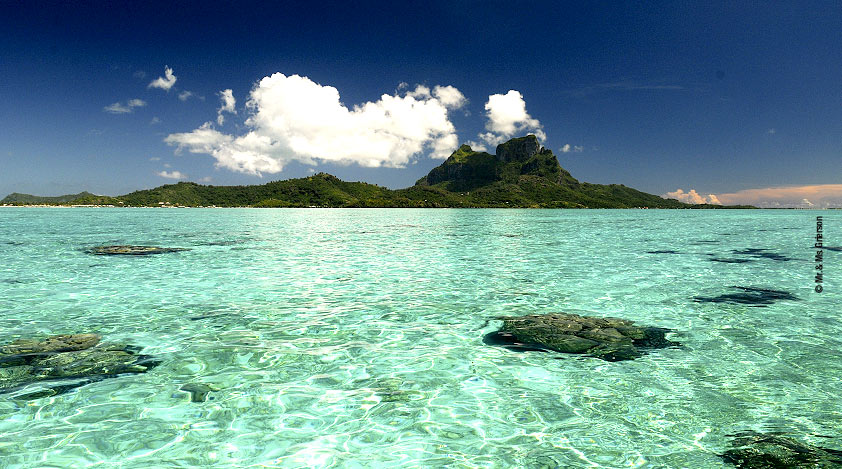
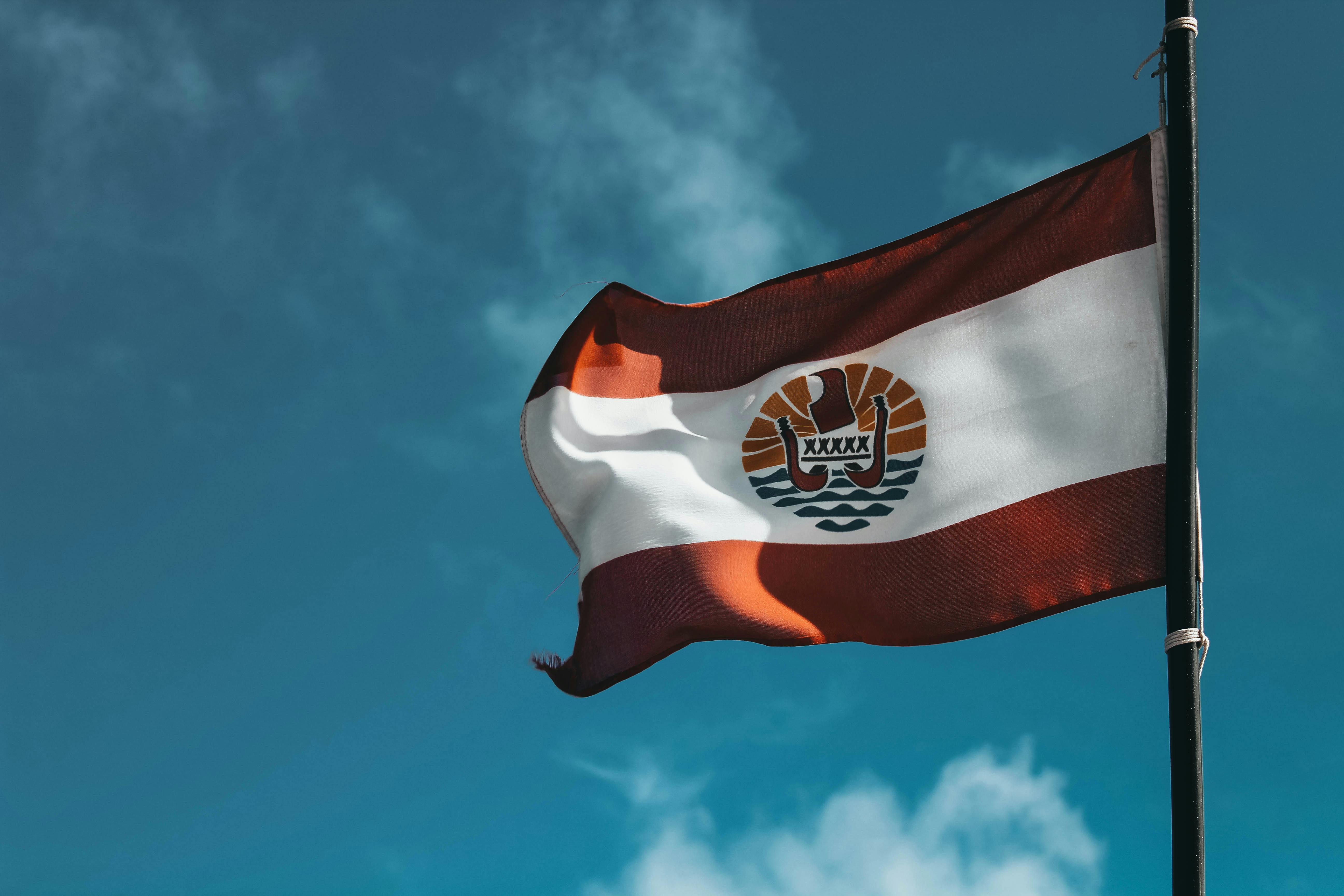
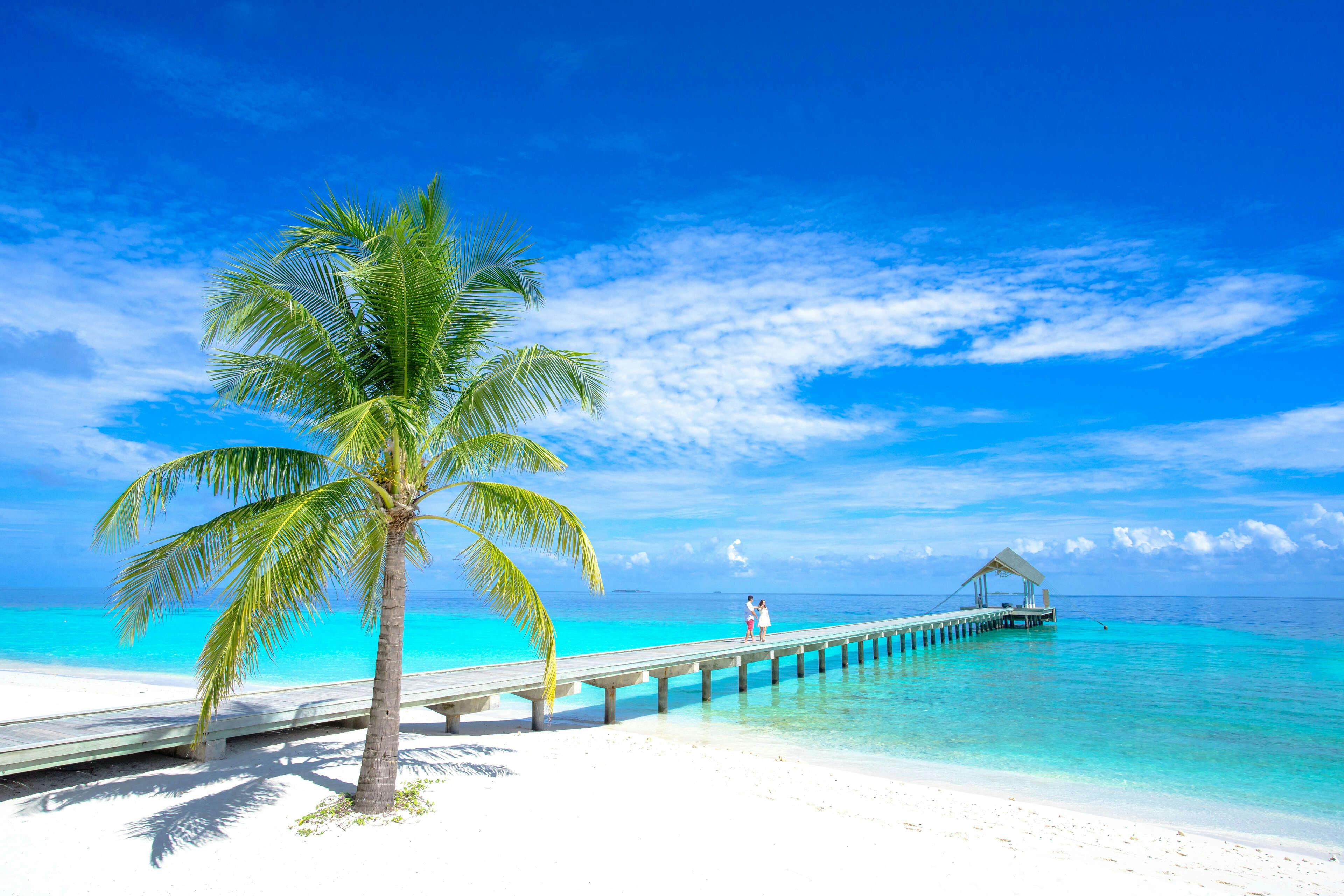
Planning a trip to Tahiti and French Polynesia? While most travellers picture turquoise lagoons, overwater bungalows and palm-lined beaches, this South Pacific destination has layers of culture, history and tradition that go far beyond postcard views. From ancient Polynesian customs to unexpected modern influences, Tahiti offers a fascinating blend of old and new that continues to shape island life today.
Before you dive into lagoon cruises or island-hopping adventures, here are ten lesser-known facts about Tahiti and its islands that will deepen your appreciation of this iconic destination and help you travel with more insight and respect. The cultural festivals throughout the year showcase these living traditions in spectacular fashion.
Quick Facts About Tahiti and Her Islands
- The word "tattoo" originates from the Tahitian word tatau, a sacred art form with deep cultural meaning
Overwater bungalows were first developed in Tahiti in the 1960s
The Tahitian alphabet has just 13 letters
French Polynesia has no poisonous snakes or insects
Bora Bora once served as a strategic military base during World War II
The Cultural Origins of Tattooing in Tahiti
Long before tattoo studios became common around the world, tattooing was already a deeply respected tradition in Polynesian culture. The English word "tattoo" comes directly from the Tahitian term tatau, which means to mark or strike. These markings were not decorative alone. They represented identity, lineage, status and rites of passage.
In traditional Tahitian society, tattoos were often applied during adolescence to signify maturity and readiness for adult responsibilities. Designs varied depending on gender, social standing and family heritage. The process itself was ceremonial and guided by skilled tattoo masters who passed down techniques through generations.
Today, tattooing remains an important cultural practice in Tahiti. Many locals proudly wear traditional designs that honour their ancestry, while visitors can learn about the symbolism behind Polynesian tattoo art through cultural centres and museums across the islands.
Tahiti's Unique Linguistic Heritage
One surprising fact about Tahiti is its remarkably simple alphabet. The Tahitian language uses only 13 letters, made up of five vowels and eight consonants. Despite this limited alphabet, the language is rich in expression, poetry and oral storytelling.
French is the official language of Tahiti and French Polynesia due to its status as an overseas collectivity of France. English is widely spoken in hotels, resorts and tourism services, particularly on popular islands such as Tahiti, Moorea and Bora Bora. However, hearing Tahitian spoken among locals offers a glimpse into the islands' living cultural heritage.
Travellers who make the effort to learn a few Tahitian greetings often find it warmly appreciated. Simple phrases can open doors to deeper connections with local communities. The essential Tahitian phrases and words prove invaluable for meaningful interactions with locals
The Birthplace of Overwater Bungalows
Few accommodation styles are as closely associated with luxury island escapes as the overwater bungalow. What many travellers do not realise is that this iconic concept was first introduced in Tahiti during the 1960s.
Originally built as simple structures to bring guests closer to the lagoon, overwater bungalows have since evolved into architectural masterpieces. Today, they feature glass floor panels, private decks and direct lagoon access, setting the standard for luxury stays across the South Pacific and beyond.
Tahiti and neighbouring islands such as Bora Bora continue to lead the way in sustainable overwater design, blending comfort with respect for fragile marine ecosystems.
A World War II Legacy in Bora Bora
While Bora Bora is now synonymous with romance and relaxation, its history includes a lesser-known military chapter. During World War II, Bora Bora served as a strategic supply base for the United States military in the Pacific.
Known as Operation Bobcat, the island housed thousands of American troops and played a role in protecting shipping routes across the South Pacific. Remnants of this period, including old cannons and airstrips, can still be seen today.
This unexpected layer of history adds depth to visits beyond the lagoon and offers a fascinating contrast to Bora Bora's present-day reputation as a luxury destination.
Coral Architecture in the Tuamotu Archipelago
In the remote Tuamotu Archipelago lies Fakarava, a UNESCO-listed biosphere reserve known for its pristine reefs and rich marine life. One of its most remarkable landmarks is the Church of Saint John of the Cross, built almost entirely from coral.
Constructed in the 19th century, the church reflects the ingenuity of island communities who used locally available materials to create enduring structures. Coral stone walls and traditional design elements give the church a distinctive appearance unlike any other in the region.
Visiting Fakarava offers travellers a quieter, more reflective side of French Polynesia, far removed from busy resort hubs. Similar peaceful retreats await in the Cook Islands, where traditional island culture remains beautifully preserved.
French Influence Meets Island Life
As part of France, Tahiti blends European influences with Polynesian traditions in everyday life. French bread deliveries, for example, are a common sight across residential neighbourhoods. Small boxes outside homes are not letterboxes but bread boxes, ensuring fresh baguettes arrive daily.
Cuisine across Tahiti reflects this cultural fusion. Expect classic French techniques paired with local ingredients such as fresh tuna, coconut milk and tropical fruits. Markets, food trucks and waterfront restaurants offer endless opportunities to sample this unique culinary identity.
Sacred Sports and Ancient Traditions
Archery once held sacred status in ancient Tahitian society. Far from a recreational activity, it played a role in ceremonial events and cultural rituals. Skill with a bow symbolised discipline, precision and spiritual connection.
While traditional archery is no longer practised in the same ceremonial way, cultural festivals and demonstrations still celebrate these ancient customs. Travellers visiting during local events may have the chance to witness performances that showcase Tahiti's rich heritage.
No Dangerous Wildlife in Paradise
Unlike many tropical destinations, French Polynesia is free from poisonous snakes and insects. This makes outdoor activities such as hiking, lagoon swimming and beach walks far more accessible for travellers who may otherwise be cautious about wildlife.
This natural advantage contributes to Tahiti's appeal as a relaxed, family-friendly destination where exploring nature feels both safe and welcoming. For families seeking similar peace of mind, New Caledonia offers equally safe adventures with diverse landscapes to explore.
Aviation and Connectivity in Tahiti
Air Tahiti Nui, the international airline based in Papeete, plays a vital role in connecting French Polynesia to the rest of the world. Its establishment strengthened tourism and made long-haul travel to the islands more accessible for international visitors.
Domestic flights operated by Air Tahiti connect travellers to outer islands such as Moorea, Raiatea and the Marquesas, making island-hopping an achievable and rewarding experience.
What Travellers Say About Tahiti
"Every island felt different, but the warmth of the people stayed the same everywhere we went." – Emily R., 2019
"The cultural experiences surprised us just as much as the lagoons." – Mark T., 2022
References
Tahiti Tourisme
- UNESCO Biosphere Reserves
- Smart Traveller Australia
- Air Tahiti Nui
Tahiti is more than a beautiful escape. Its traditions, history and cultural depth create a destination that rewards curious travellers willing to look beyond the surface. Whether you are drawn by luxury stays, island culture or untouched nature, Tahiti offers experiences that linger long after the journey ends.
Our Tahiti packages bring together the cultural richness and natural beauty that make these islands truly unforgettable.