A First-Time Visitor's Guide to Istria, Croatia
Posted by on 02 Sep 2026
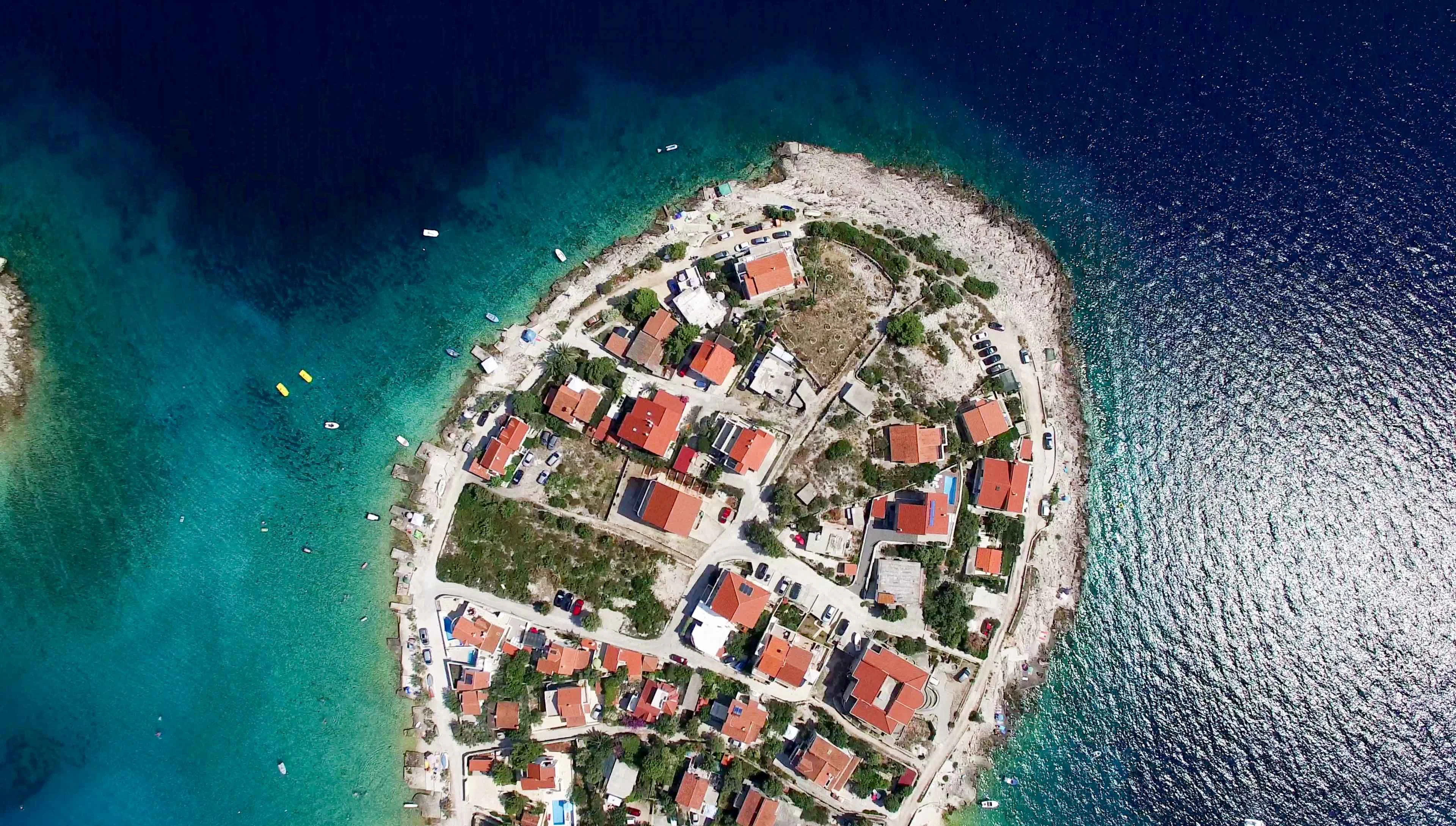
Croatia's Dalmatian Coast may be home to famous destinations like Dubrovnik and Split, but travellers willing to venture north are rewarded with a region that offers a different perspective on the country. Istria, Croatia's heart-shaped peninsula bordering Slovenia and Italy, combines historic coastal towns, rolling vineyards, medieval hilltop villages and some of the country's finest food and wine into one remarkably diverse destination.
Rich in Roman history, Venetian architecture and Mediterranean charm, Istria is ideal for travellers seeking a slower pace without sacrificing cultural experiences or natural beauty. One morning might be spent wandering cobbled streets in Rovinj, while the afternoon is dedicated to wine tasting, truffle hunting or relaxing beside the Adriatic Sea. The region's compact size also makes it easy to explore several towns during a single visit, whether you're travelling independently or as part of a broader Croatian itinerary.
For first-time visitors, Istria travel offers an opportunity to experience Croatia beyond its most photographed landmarks. From remarkably preserved Roman ruins to family-run wineries and picturesque fishing villages, the peninsula delivers a memorable blend of history, gastronomy and coastal scenery that appeals to couples, food lovers and curious travellers alike.
Fun Facts About Istria
Istria is Croatia's largest peninsula and is shared between Croatia, Slovenia and a small part of Italy.
The region is famous for its prized white and black truffles, earning comparisons with Italy's renowned truffle-producing areas.
The remarkably preserved Roman Amphitheatre in Pula is one of the largest surviving Roman arenas in the world.
Olive oils produced in Istria are regularly recognised among the world's best, with many family-run producers welcoming visitors for tastings.
Centuries of Roman, Venetian and Austro-Hungarian influence have shaped Istria's architecture, cuisine and culture.
Where Is Istria and Why Should You Visit?
Croatia's Diverse Northern Peninsula
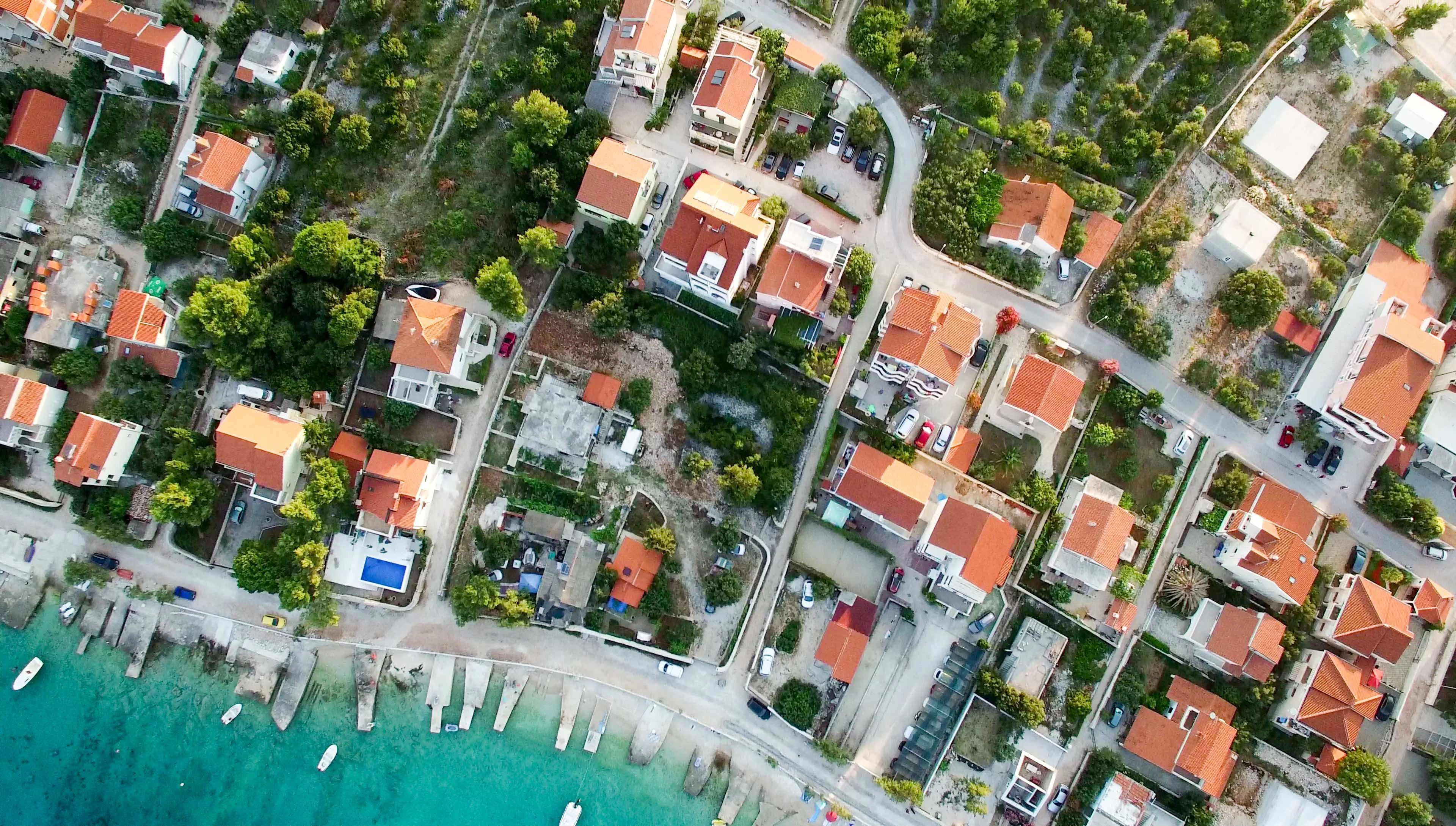
Situated in northern Croatia along the Adriatic Sea, Istria enjoys a unique location where Croatian, Italian and Central European influences meet. This rich cultural heritage is reflected throughout the region, from bilingual town signs and Venetian-style architecture to local cuisine that blends fresh seafood with handmade pasta, olive oil and regional wines.
Unlike some of Croatia's busier coastal destinations, Istria offers a more relaxed atmosphere that encourages visitors to slow down and savour each experience. Scenic drives connect colourful seaside towns with quiet countryside villages, making it easy to combine history, food, beaches and nature in a single holiday.
The peninsula is also highly accessible. Many visitors arrive via Zagreb, Ljubljana or Venice before continuing by road, while others include Istria as part of a wider Croatian or European itinerary.
A Destination for Every Type of Traveller
One of the greatest strengths of Istria is its variety.
History enthusiasts can explore Roman monuments, medieval churches and Venetian old towns. Food lovers will discover exceptional restaurants, award-winning olive oils, boutique wineries and seasonal truffle experiences. Outdoor enthusiasts can hike through forests, cycle former railway routes or kayak along dramatic stretches of coastline.
Whether you're planning a romantic escape, a self-drive holiday or a longer journey through Croatia, Istria offers enough diversity to appeal to almost every style of traveller.
When Is the Best Time to Visit Istria?
Spring and Autumn Offer Ideal Conditions
For many travellers, the best times to visit Istria are spring (April to June) and autumn (September to October).
These seasons offer mild temperatures, fewer crowds and comfortable conditions for sightseeing, hiking and exploring the region's vineyards and coastal towns. Outdoor cafés begin filling with locals, markets showcase seasonal produce and the countryside becomes particularly beautiful as vineyards and olive groves change with the seasons.
Autumn is especially appealing for food enthusiasts, as it coincides with truffle season and harvest celebrations throughout inland Istria.
Summer Brings Beaches and Festivals
Summer transforms the peninsula into one of Croatia's most popular holiday regions.
Warm Adriatic waters attract swimmers, sailors and beachgoers, while cultural festivals, concerts and outdoor events bring extra energy to coastal towns such as Rovinj and Pula. Restaurants extend their outdoor dining areas and waterfront promenades remain lively well into the evening.
Although visitor numbers increase during July and August, the peninsula's mix of coastal and inland destinations makes it easy to escape the busiest areas if desired.
Which Coastal Towns Should You Visit in Istria?
Rovinj: Istria's Postcard-Perfect Seaside Town
Few destinations capture the charm of Istria quite like Rovinj.
Colourful buildings line the waterfront while narrow cobbled streets wind uphill towards the striking Church of St Euphemia. Fishing boats gently bob in the harbour, cafés spill onto lively squares and hidden galleries showcase the work of local artists.
Exploring Rovinj is best done on foot. Every laneway reveals another viewpoint, boutique shop or inviting restaurant serving fresh seafood caught from the surrounding Adriatic waters.
The waterfront is equally captivating, particularly in the evening when the setting sun bathes the old town in warm golden light. Visitors can enjoy leisurely dinners overlooking the harbour, stroll along the promenade or simply watch boats return after a day at sea.
For travellers seeking a blend of history, coastal scenery and relaxed Mediterranean atmosphere, Rovinj often becomes the highlight of an Istria holiday.
Pula: Discover Croatia's Roman Heritage
While Rovinj is known for its picturesque charm, Pula impresses visitors with its extraordinary history.
At the heart of the city stands the magnificent Pula Arena, one of the world's best-preserved Roman amphitheatres. Built during the first century AD, the arena once hosted gladiatorial contests and remains one of Croatia's most significant archaeological landmarks.
Today, visitors can explore the arena's impressive stone arches, underground exhibition spaces and surrounding historic district before continuing to other Roman monuments including the Temple of Augustus and the Arch of the Sergii.
Beyond its historical attractions, Pula offers lively markets, cafés and waterfront restaurants, making it an enjoyable destination to explore over a full day.
Poreč: History Meets Coastal Relaxation
Another standout destination is Poreč, where centuries of history blend seamlessly with modern seaside living.
The town's most celebrated landmark is the Euphrasian Basilica, a UNESCO World Heritage Site renowned for its remarkably preserved Byzantine mosaics dating back to the sixth century. Visitors can admire intricate gold mosaics, climb the bell tower for panoramic views and explore one of Croatia's most significant religious monuments.
Outside the historic centre, Poreč offers inviting beaches, marinas and scenic walking paths that showcase the region's beautiful Adriatic coastline.
Its combination of culture, leisure and family-friendly atmosphere makes Poreč an excellent addition to any first-time itinerary through Istria.
Explore the Adriatic Coast Beyond the Main Towns
Part of Istria's appeal lies in discovering the smaller fishing villages and hidden coves scattered between its better-known towns.
Communities such as Vrsar, Novigrad and Fažana each offer their own distinct character, from peaceful harbours and seafood restaurants to waterfront promenades ideal for evening walks.
These quieter destinations provide a welcome contrast to larger tourist centres while offering opportunities to enjoy authentic local hospitality, fresh regional cuisine and spectacular Adriatic sunsets.
Whether stopping for lunch, joining a boat excursion or simply enjoying the slower pace of coastal life, these smaller towns reveal another side of Istria travel that rewards travellers willing to explore beyond the most popular attractions.
What Should You Explore in Inland Istria?
Discover Medieval Hilltop Villages
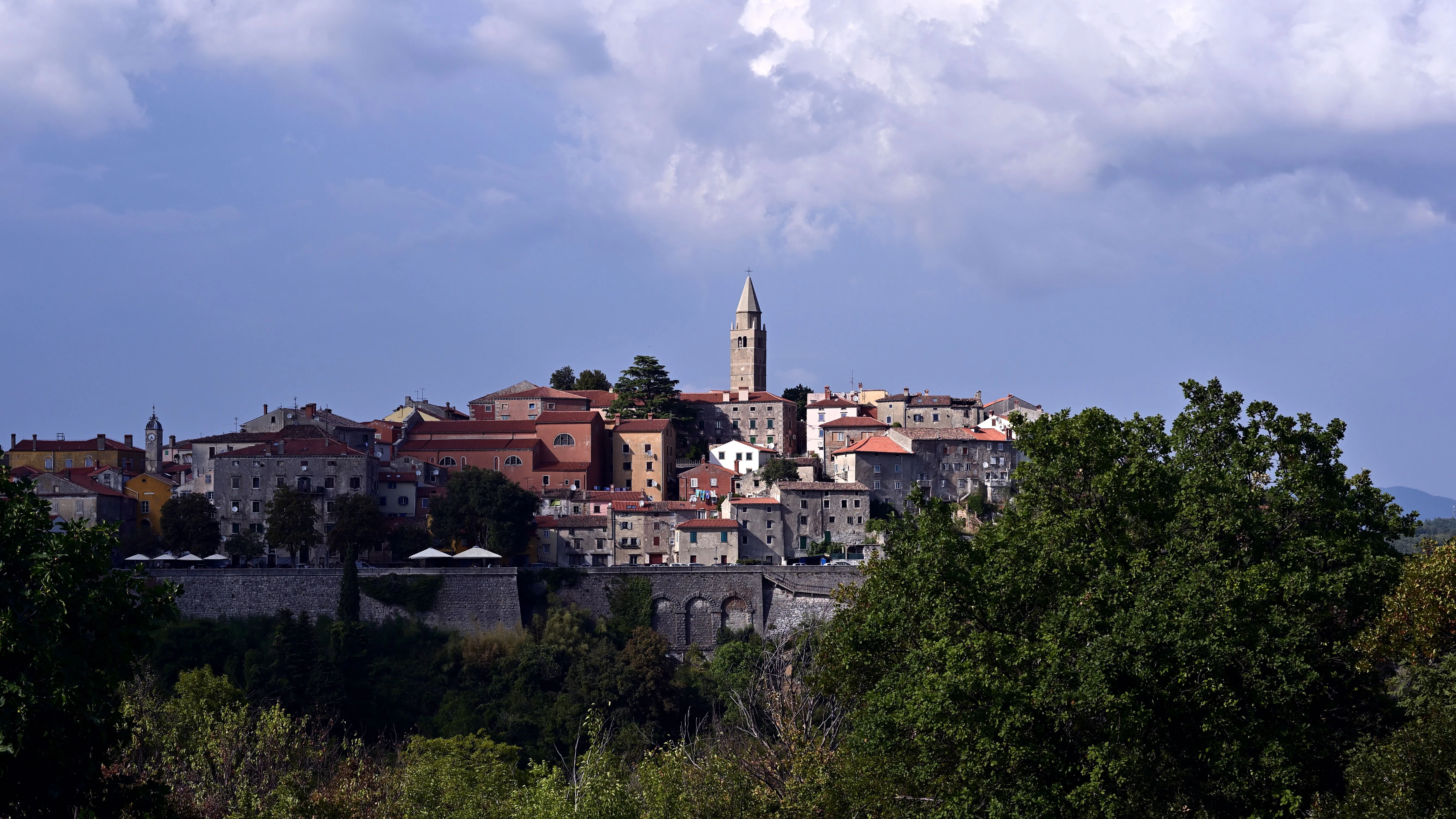
While Istria's coastline often captures travellers' attention first, venturing inland reveals an equally rewarding side of the peninsula. Rolling vineyards, olive groves and forested hills surround charming medieval villages that have changed remarkably little over the centuries.
One of the region's most famous towns is Motovun, dramatically perched atop a hill overlooking the Mirna River Valley. Encircled by ancient stone walls, Motovun offers sweeping views across vineyards and woodlands that stretch towards the Adriatic. Visitors can wander narrow laneways, browse artisan shops and enjoy local restaurants showcasing seasonal Istrian ingredients.
Another favourite is Grožnjan, often referred to as the "Town of Artists". During the warmer months, its quiet streets come alive with galleries, music performances and creative workshops. Stone houses overflowing with flowers and hidden courtyards make it one of Istria's most picturesque destinations.
For travellers seeking authentic local character beyond the coast, these historic villages provide a fascinating glimpse into Istria's cultural heritage.
Experience Istria's Famous Food and Wine
Few Croatian regions are as celebrated for their gastronomy as Istria.
The peninsula is renowned for premium olive oils, boutique wineries and exceptional seasonal produce. Family-owned wineries welcome visitors for tastings of Malvazija Istarska, the region's signature white wine, alongside robust reds such as Teran.
Autumn is particularly special, marking the beginning of truffle season. Both white and black truffles grow in the forests surrounding Motovun and Buzet, attracting food enthusiasts from around the world. Guided truffle hunting experiences offer visitors the opportunity to learn about this prized delicacy before enjoying freshly prepared dishes featuring handmade pasta, local cheeses and regional wines.
Olive oil tastings are equally popular, with many producers opening their groves and mills to visitors. Recognised internationally for their quality, Istrian olive oils complement the region's fresh seafood, grilled meats and Mediterranean-inspired cuisine.
Whether dining in a Michelin-recognised restaurant or a family-run konoba (traditional tavern), food becomes one of the defining highlights of any Istria holiday.
Which Natural Attractions Should You Visit?
Explore Brijuni National Park
Just off Istria's south-west coast lies Brijuni National Park, an archipelago celebrated for its natural beauty, archaeological sites and fascinating history.
Accessible by boat from Fažana, the islands combine lush landscapes with Roman ruins, walking trails and scenic cycling routes. Visitors can explore archaeological remains dating back to Roman times, discover Mediterranean gardens and admire native wildlife that inhabits the park.
The islands were once the summer residence of former Yugoslav president Josip Broz Tito, and today several historic sites reflect this unique chapter in their history.
Brijuni provides an excellent day trip for travellers wishing to experience another side of Istria beyond its towns and beaches.
Relax Along the Adriatic Coast
Although Istria's beaches differ from the long sandy stretches found elsewhere in Europe, they possess their own unique appeal.
Rocky coves, pebble beaches and crystal-clear Adriatic waters create ideal conditions for swimming, paddleboarding and kayaking. Pine forests often extend right to the shoreline, providing welcome shade during the warmer months.
Popular coastal areas near Rovinj, Poreč and Rabac offer well-maintained swimming spots with cafés and walking paths, while smaller coves reward travellers seeking quieter settings away from the crowds.
Boat excursions also provide opportunities to explore hidden inlets, snorkel in clear waters and admire the dramatic coastline from a different perspective.
How Many Days Should You Spend in Istria?
Thanks to its compact size, Istria is easy to explore without feeling rushed.
A four to five-day itinerary allows visitors to experience both the coastline and inland countryside while enjoying the region's slower pace.
A balanced itinerary might include:
Day 1: Explore Pula and the Roman Amphitheatre before enjoying dinner by the harbour.
Day 2: Wander Rovinj's historic streets and relax along the Adriatic coastline.
Day 3: Visit Motovun, tour vineyards and enjoy wine and truffle experiences.
Day 4: Discover Grožnjan before spending the afternoon at Brijuni National Park or one of Istria's beaches.
Day 5: Explore smaller coastal towns such as Poreč, Novigrad or Fažana before continuing your Croatian journey.
Travellers with additional time can easily combine Istria with destinations such as Zagreb, Plitvice Lakes National Park or Croatia's Dalmatian Coast, creating a well-rounded itinerary that showcases the country's remarkable diversity.
Expert Travel Tips
Hire a car if possible, as it offers the greatest flexibility for exploring Istria's hilltop villages, wineries and coastal towns at your own pace.
Visit vineyards and olive oil producers by appointment, particularly during harvest season when tastings can be busy.
Carry comfortable walking shoes, as many historic towns feature cobbled streets and gentle hills.
Plan restaurant reservations in advance during July and August, especially in Rovinj and Motovun.
Don't rush between destinations. Istria is best experienced slowly, allowing time to enjoy local cafés, scenic viewpoints and conversations with residents.
Frequently Asked Questions
Where is Istria located?
Istria is a heart-shaped peninsula in northern Croatia bordering Slovenia and Italy. Its location has influenced the region's architecture, cuisine and culture, creating a unique blend of Mediterranean and Central European traditions.
What is Istria famous for?
The region is known for its Roman heritage, colourful coastal towns, medieval hilltop villages, award-winning olive oils, boutique wineries and prized white and black truffles. Its diverse attractions make it one of Croatia's most rewarding destinations.
How many days do you need in Istria?
Four to five days is ideal for first-time visitors, allowing enough time to explore major coastal towns, inland villages, wineries and natural attractions without feeling rushed.
What is the best town to stay in Istria?
Rovinj is often considered the best base thanks to its beautiful old town, waterfront restaurants and central location. Poreč and Pula also make excellent bases depending on your itinerary and interests.
Is Istria suitable for food and wine lovers?
Absolutely. Istria is regarded as one of Croatia's premier culinary regions, offering wine tastings, olive oil experiences, truffle hunting and exceptional local restaurants showcasing fresh seasonal produce.
Can you visit Istria without hiring a car?
Public transport connects many of the larger towns, but hiring a car provides greater flexibility, particularly when exploring inland villages, wineries and smaller attractions that are difficult to reach by bus.
When is truffle season in Istria?
White truffle season generally runs from September through December, while black truffles can be found during different periods throughout the year. Autumn is particularly popular for culinary travel.
Is Istria family friendly?
Yes. Families can enjoy beaches, historic attractions, cycling trails, Brijuni National Park and welcoming seaside towns that offer a relaxed atmosphere suitable for travellers of all ages.
References
Discover Croatia Beyond the Familiar
While Croatia's southern coastline often attracts first-time visitors, Istria rewards those who venture north with a remarkable combination of history, gastronomy, natural beauty and authentic Mediterranean charm. From wandering the colourful streets of Rovinj and exploring the Roman monuments of Pula to tasting world-class olive oil and discovering medieval hilltop villages, every day offers a new perspective on this captivating region.
Whether you're planning a self-drive journey through Croatia or incorporating Istria into a broader European adventure, the peninsula provides experiences that linger long after your holiday ends.
Explore Entire Travel Group's Croatia holidays and discover expertly crafted itineraries that showcase the very best of Istria alongside Croatia's other unforgettable destinations.