Inland Croatia Travel Guide: Zagreb, Istria and Slavonia
Posted by on 09 Jul 2026
Why Explore Inland Croatia Beyond the Adriatic Coast?
Croatia’s Adriatic coastline often captures the spotlight, yet the country’s inland regions reveal a deeper cultural landscape shaped by history, agriculture and enduring traditions. Beyond the beaches and island towns lies a quieter side of the country where medieval squares host daily markets, forests hide prized truffles and vineyards stretch across fertile plains.
For travellers interested in Croatia slow travel experiences, the interior regions offer an engaging contrast to coastal itineraries. Zagreb’s historic streets blend Central European architecture with café culture, Istria’s hilltop towns overlook vineyards and olive groves and Slavonia’s plains preserve agricultural traditions that remain central to Croatian identity.
Exploring inland Croatia travel destinations reveals a country where heritage, food culture and rural landscapes intertwine. Moving away from the coastline encourages a slower pace of discovery, where festivals, markets and family-run restaurants highlight regional character.
Fun Facts
Zagreb’s historic Upper Town preserves centuries of architecture, cobbled streets and lively café culture that reflects the city’s Central European heritage.
Istria’s forests produce prized black and white truffles, and traditional truffle hunting with trained dogs remains an important local practice.
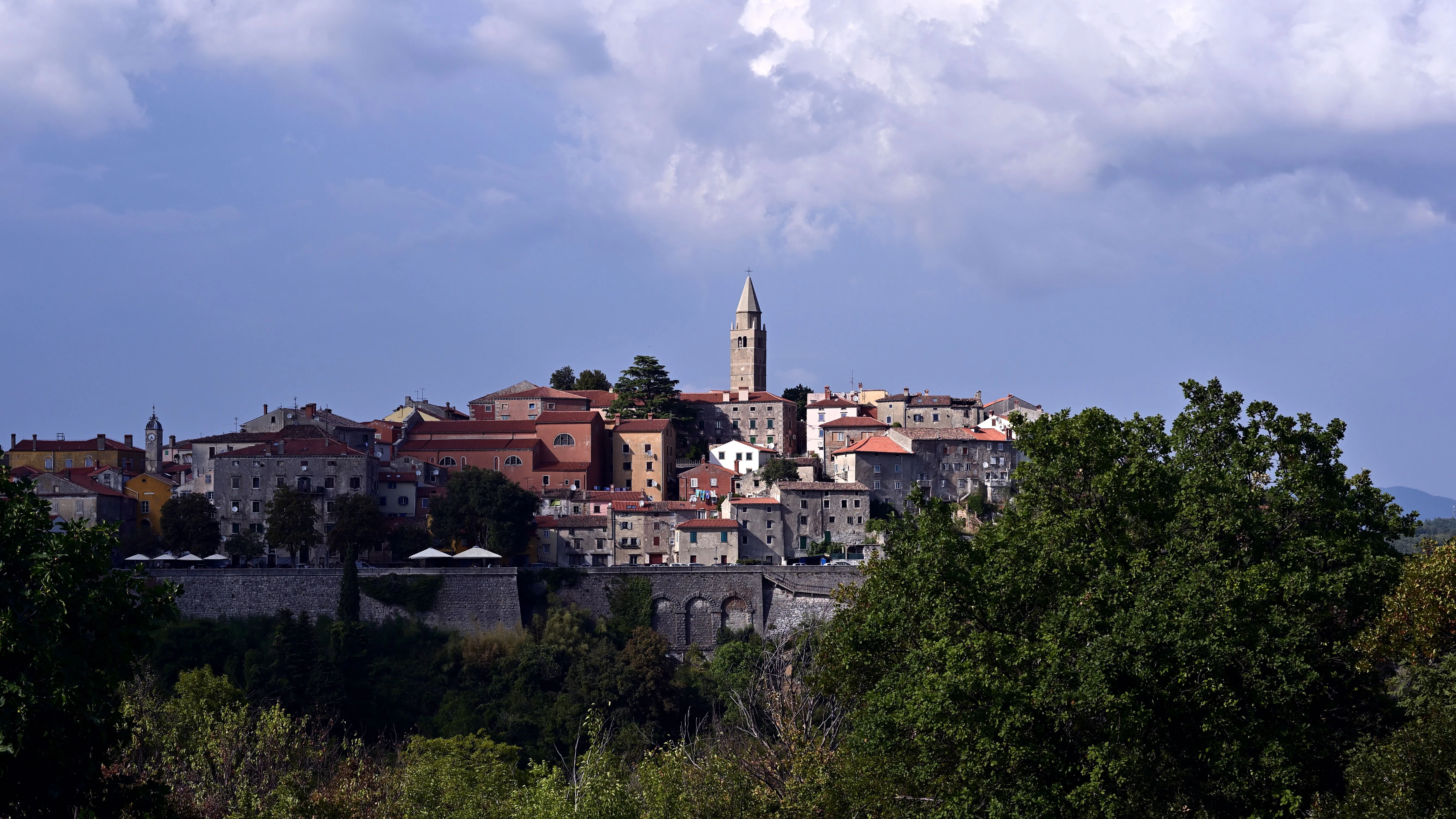
Hilltop towns such as Motovun and Grožnjan date back to medieval times and overlook valleys filled with vineyards, olive groves and forests.
Slavonia is one of Croatia’s key wine regions, known for Graševina wines and folk traditions celebrated through music, festivals and village gatherings.
Inland Croatian cuisine reflects agricultural roots, featuring regional specialities such as truffle dishes, cured meats, local cheeses and seasonal produce.
What Makes Zagreb the Cultural Capital of Croatia?
Upper Town History and Architecture
Croatia’s capital offers an introduction to inland culture and history. Zagreb’s Upper Town, known as Gornji Grad, features cobbled streets, baroque churches and pastel-coloured façades overlooking the city.
St Mark’s Church stands out with its colourful tiled roof depicting medieval coats of arms. Nearby squares and narrow lanes preserve a strong Central European atmosphere influenced by centuries of Austro-Hungarian rule.
Museums, galleries and historic buildings give the area a sense of quiet sophistication. Walking between landmarks reveals hidden courtyards, historic lanterns and viewpoints overlooking the Lower Town.
Zagreb Markets and Everyday Life
Zagreb’s markets play an important role in daily life. Dolac Market, located near the cathedral, displays seasonal produce from across Croatia’s countryside.
Fresh cheeses, vegetables, honey and cured meats reflect the agricultural diversity of inland regions. Local cafés surrounding the market offer relaxed spaces to observe the rhythm of the city.
Zagreb’s café culture mirrors that of Vienna and Budapest, where sitting with coffee and conversation is considered part of everyday routine.
Why Is Istria One of Croatia’s Top Food and Wine Destinations?
Hilltop Towns and Mediterranean Heritage
The Istrian peninsula sits between Croatia, Slovenia and Italy, giving the region a distinctive cultural character. Rolling hills support vineyards and olive groves while medieval towns perch above valleys.
Motovun rises dramatically above the Mirna River valley, its stone walls overlooking forests famous for truffles. Grožnjan, known for its artistic community, hosts galleries and cultural events throughout the year.
Walking these towns reveals narrow streets, Roman influences and views across vineyard-covered hills.
Truffle Hunting in Istria
Istria is one of Europe’s notable truffle regions. Local hunters work with trained dogs to locate truffles beneath oak forests surrounding Motovun and Buzet.
Joining a guided truffle hunt introduces visitors to this long-standing tradition. Afterward, tastings often feature pasta, cheeses and olive oils enhanced by freshly shaved truffles.
This experience highlights why Croatia truffle hunting experiences have become increasingly popular among travellers interested in regional food culture.
What Makes Slavonia Croatia’s Agricultural and Wine Heartland?
Wine Traditions and River Landscapes
Eastern Croatia’s Slavonia region presents a very different landscape from the Adriatic coast. Fertile plains stretch across the countryside, supporting vineyards and agricultural villages near the Danube and Drava rivers.
Slavonia is particularly known for Graševina wine, produced in vineyards around Kutjevo and Ilok. Wine cellars in the region offer tastings that showcase centuries of winemaking tradition.
The Danube River provides scenic walking routes and quiet river towns where history and agriculture meet.
Folk Festivals and Cultural Heritage
Slavonia’s cultural identity remains closely tied to folk traditions. Festivals celebrate music, dance and embroidered costumes that reflect rural heritage.
Village celebrations often feature tamburica music, traditional instruments and regional cuisine served in communal gatherings.
These events preserve customs that have remained central to community life for generations.
Why Is Inland Croatia Ideal for Slow Travel?
Exploring inland Croatia naturally encourages a slower pace of travel. Distances between towns are manageable, allowing visitors to combine cultural exploration with countryside scenery.
Historic squares invite lingering over coffee. Rural roads pass vineyards and orchards. Seasonal festivals introduce travellers to traditions rarely seen in major tourist destinations.
Choosing Croatia cultural travel experiences inland also supports smaller communities where tourism remains closely connected to local life.
This approach offers a deeper understanding of Croatian identity beyond coastal landscapes.
How Does Regional Cuisine Shape the Inland Croatia Experience?
Food culture in inland Croatia reflects agricultural roots and regional diversity.
Istrian cuisine combines Mediterranean influences with Central European techniques. Olive oils, seafood and truffles feature prominently on menus.
Slavonian cooking emphasises heartier dishes such as stews, smoked meats and paprika-rich specialities. Fresh bread, cheeses and locally produced wines complete the culinary experience.
Markets and small restaurants across inland towns highlight ingredients sourced directly from nearby farms.
Sampling regional dishes becomes an essential part of Croatia food and wine travel.
Expert Travel Tips
Visit between April and October for comfortable weather suited to exploring inland towns, vineyards and countryside landscapes. Spring brings blossoming orchards and lively markets, while autumn coincides with harvest celebrations and truffle season in Istria.
Allow time to explore regional markets where seasonal produce, cheeses, cured meats and local wines reflect Croatia’s agricultural traditions. Markets in cities such as Zagreb offer insight into everyday life and regional culinary culture.
Combine Zagreb with nearby countryside regions such as Istria to create a balanced itinerary that blends cultural sightseeing with rural landscapes, hilltop towns and vineyard visits. Travelling between these regions reveals Croatia’s diverse inland character.
Book truffle hunting experiences in advance during autumn, which is peak season for truffle harvesting in Istria’s forests. Guided experiences often include tastings that highlight the region’s renowned truffle-based dishes.
Consider travelling by regional rail or car to access smaller towns, vineyards and rural landscapes at a relaxed pace. Inland Croatia’s scenic routes allow travellers to stop in historic villages, wineries and countryside viewpoints along the way.
Frequently Asked Questions
What is inland Croatia known for?
Inland Croatia is known for historic towns, truffle hunting traditions, wine regions and folk festivals.
When is the best time to visit inland Croatia?
Spring and autumn offer pleasant weather and seasonal food experiences such as truffle harvests.
Is Zagreb worth visiting?
Yes. Zagreb provides cultural landmarks, markets and museums that introduce Croatia’s Central European heritage.
Where can travellers experience truffle hunting in Croatia?
The Istria region near Motovun and Buzet is the country’s best-known truffle area.
What wines come from Slavonia?
Slavonia is known for Graševina wines and several historic wine estates.
How many days should travellers spend in inland Croatia?
Five to seven days allows time to explore Zagreb, Istria and Slavonia at a relaxed pace.
Is inland Croatia suitable for slow travel?
Yes. Smaller towns, vineyards and markets encourage a relaxed and culturally focused itinerary.
How Can You Discover Croatia’s Cultural Heartland for Yourself?
Croatia’s inland regions reveal a country shaped as much by tradition and agriculture as by coastal beauty. Zagreb’s markets, Istria’s truffle forests and Slavonia’s wine villages present experiences rooted in everyday life.
Travelling inland uncovers a quieter Croatia where heritage towns, regional cuisine and cultural festivals define the journey.
Explore our travel packages with Entire Travel Group to experience Croatia beyond the coast and discover the traditions, landscapes and flavours that shape its hidden heart.