Croatia Travel Guide: Islands, National Parks and Wine Regions
Posted by on 08 Jul 2026
Why Explore More of Croatia Beyond Dubrovnik?
Croatia’s Adriatic coastline has become one of Europe’s most recognisable travel images, yet the country’s character extends far beyond the historic walls of Dubrovnik. Across the Dalmatian islands, inland national parks and northern wine regions, travellers encounter landscapes shaped by centuries of trade, maritime culture and agricultural traditions.
For those seeking a richer perspective on Croatia travel beyond Dubrovnik, the country offers remarkable diversity within a relatively compact distance. Island villages reveal quieter rhythms of Adriatic life. National parks showcase cascading waterfalls and forest trails. Wine regions introduce regional flavours shaped by Mediterranean and Central European influences.
Exploring Croatia at a measured pace reveals a layered destination where coastal beauty, natural landscapes and culinary heritage intertwine. Moving beyond Dubrovnik allows travellers to experience the country’s wider identity, one defined not only by historic fortresses but also by vineyards, national parks and island communities.
Fun Trivia
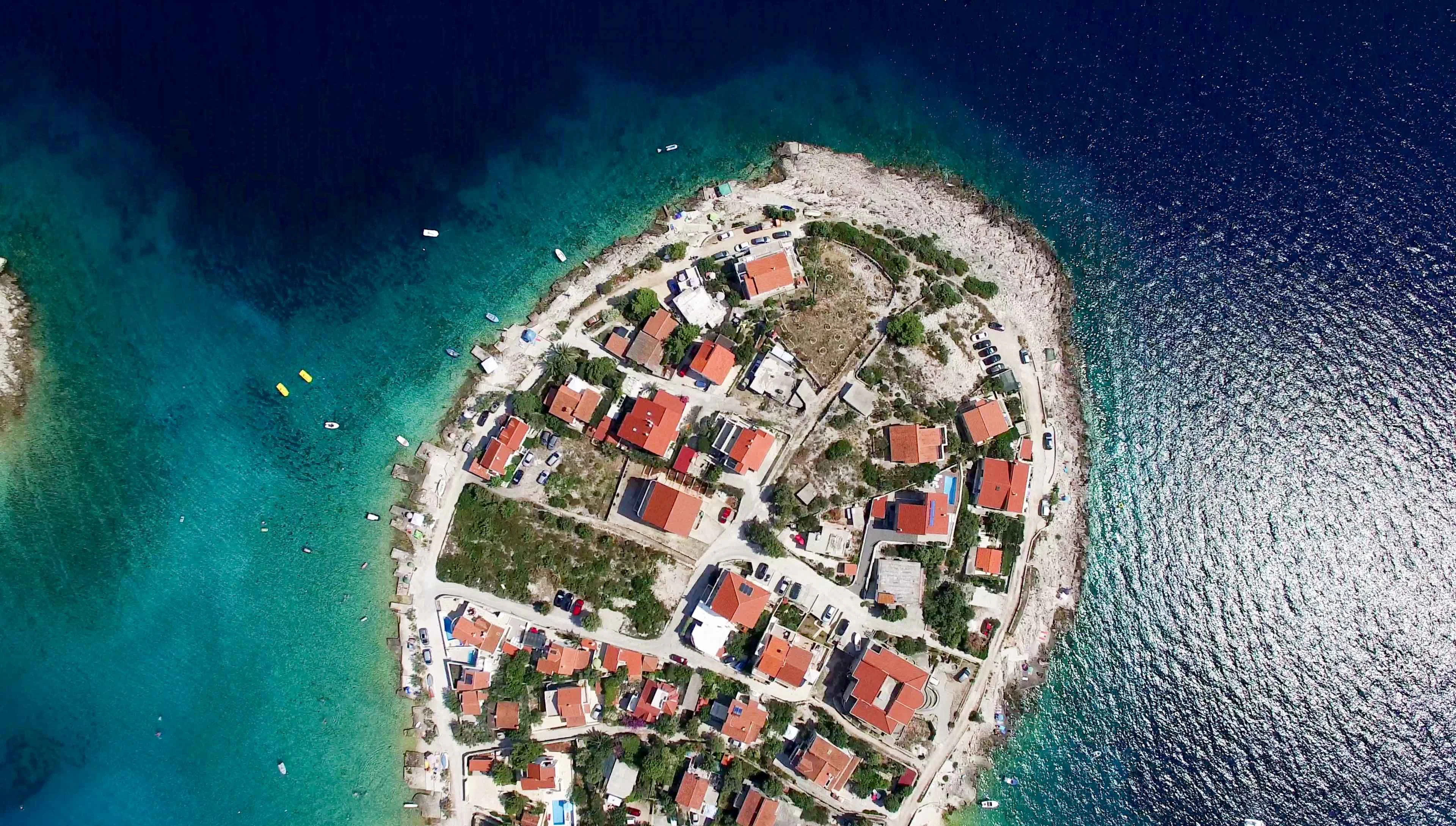
Korčula and Vis are among Croatia’s most characterful islands, where vineyards, historic stone towns and fishing harbours reveal the traditions behind Croatia island hopping in the Adriatic
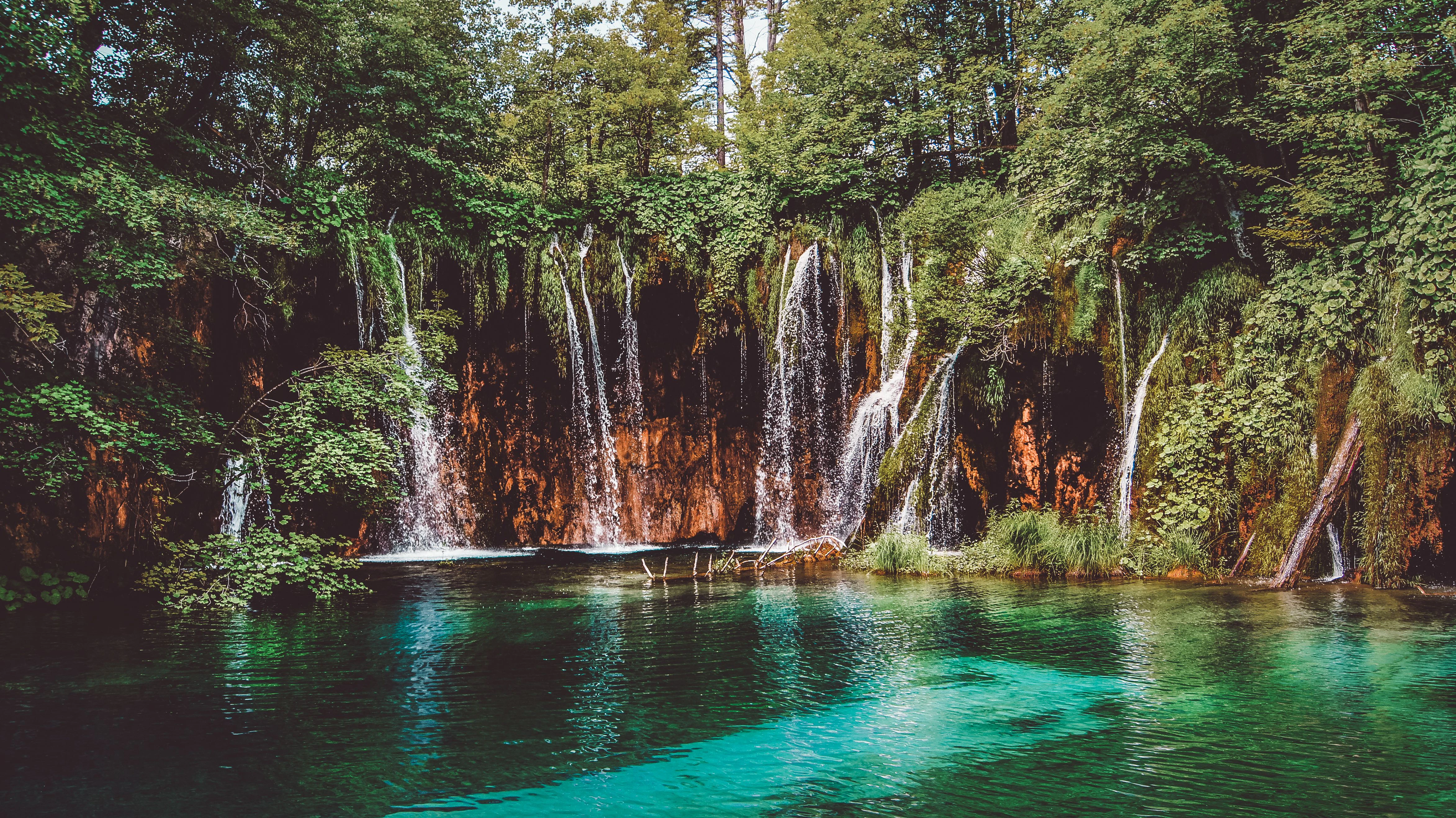
Plitvice Lakes National Park features sixteen interconnected lakes and dozens of cascading waterfalls, linked by wooden boardwalk trails that wind through forest and across turquoise waters
Croatia’s wine culture stretches far beyond the coast, with regions such as Istria and Slavonia producing distinctive varieties shaped by Mediterranean and continental climates
Many Adriatic islands still maintain strong fishing traditions, where small harbours, local markets and family-run taverns reflect everyday maritime life
Travelling across Croatia reveals remarkable contrasts, combining coastal scenery with inland forests, national parks and culinary regions known for wine, olive oil and regional dishes
Which Croatian Islands Are Worth Visiting Beyond Dubrovnik?
Korčula: History and Wine Traditions
Korčula is often described as a quieter alternative to Dubrovnik’s medieval charm. Its walled town rises above the Adriatic with narrow streets arranged in a distinctive fishbone pattern designed to channel sea breezes through the city.
The island also plays a central role in Croatia island wine culture. Vineyards across the island produce notable white varieties such as Grk and Pošip, cultivated in sunlit terraces overlooking the sea.
Local konobas, traditional taverns, serve seafood accompanied by regional wines. Olive oil, figs and herbs reflect the Mediterranean environment that shapes Korčula’s cuisine.
Beyond the town, cycling routes and coastal paths reveal quiet bays and villages where fishing boats remain central to daily life.
Vis: Adriatic Seclusion and Coastal Landscapes
Further offshore, Vis offers one of the Adriatic’s most atmospheric islands. Once closed to international visitors during Yugoslav times due to its military importance, the island remained relatively untouched by mass tourism.
Today Vis attracts travellers interested in authentic Croatian island travel. Vineyards stretch across interior valleys while small fishing harbours maintain a traditional character.
Nearby, the Blue Cave on the island of Biševo creates a luminous natural phenomenon where sunlight reflects through underwater openings, filling the cavern with glowing blue light.
The island’s slower rhythm encourages visitors to linger over seafood dinners and sunset views along quiet waterfront promenades.
Why Is Plitvice Lakes National Park One of Croatia’s Top Natural Attractions?
A UNESCO Landscape of Waterfalls
Inland Croatia reveals an entirely different landscape. Plitvice Lakes National Park, a UNESCO World Heritage site, showcases a chain of turquoise lakes connected by waterfalls and forested slopes.
Wooden boardwalks weave across the lakes, allowing visitors to walk above crystal-clear waters where fish glide beneath the surface. The park’s colour variations result from mineral deposits and algae interacting with sunlight.
Hiking trails around the lakes reveal changing viewpoints across the park’s sixteen interconnected basins.
Walking Trails Through Forest Landscapes
Beyond the main boardwalks, longer trails wind through beech and pine forests surrounding the lakes. These routes offer quieter perspectives on the park’s natural environment.
Wildlife including deer, birds and occasionally bears inhabit the surrounding region, reflecting Croatia’s biodiversity.
Early morning visits allow walkers to experience the park before peak visitor numbers arrive.
What Makes Istria One of Croatia’s Leading Food and Wine Regions?
Istria: Mediterranean Flavours and Hilltop Towns
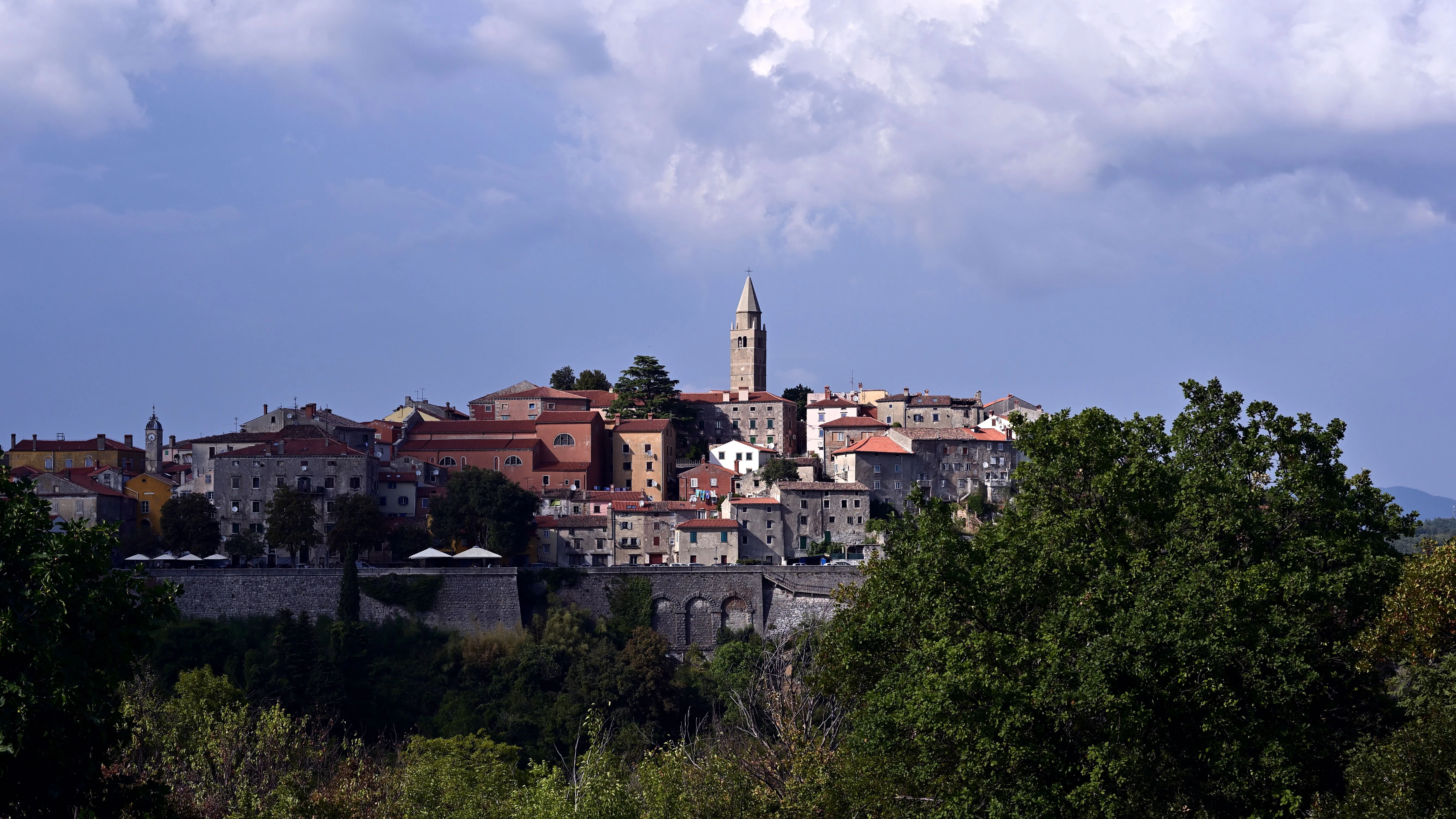
Istria occupies Croatia’s northwestern peninsula and often draws comparisons to Tuscany. Rolling hills support vineyards, olive groves and stone villages overlooking the Adriatic Sea.
The region produces distinctive wines including Malvasia and Teran. Culinary traditions emphasise truffles, seafood and locally pressed olive oil.
Hilltop towns such as Motovun and Grožnjan showcase medieval architecture surrounded by vineyards and farmland.
These landscapes illustrate why Istria wine tourism Croatia continues to grow among travellers interested in food and culture.
Slavonia: Croatia’s Eastern Wine Heritage
In eastern Croatia, Slavonia offers a different wine culture shaped by continental influences. Vineyards flourish across fertile plains near the Danube River.
The region is known for Graševina wines alongside hearty regional cuisine. Villages and wine cellars preserve traditions that reflect centuries of agricultural heritage.
Travelling through Slavonia introduces a quieter side of Croatia that contrasts with the Adriatic coast.
How Can You Combine Croatia’s Islands, National Parks and Wine Regions in One Trip?
Croatia’s geography naturally encourages multi-destination travel. Ferries and regional roads connect islands, coastal towns and inland regions efficiently.
An itinerary combining Dubrovnik, the Dalmatian islands, Plitvice Lakes and Istria reveals the country’s diversity. Each region presents distinct landscapes and cultural influences.
Island hopping remains one of the most rewarding ways to explore Croatia. Short ferry crossings link historic towns, fishing villages and secluded beaches.
How Does Food and Wine Reflect Croatia’s Regional Diversity?
Croatian cuisine reflects both Mediterranean and Central European influences.
Along the coast, seafood dishes dominate menus. Grilled fish, octopus salad and black risotto feature prominently in island restaurants.
Inland regions emphasise heartier dishes such as stews, roasted meats and seasonal vegetables.
Wine and olive oil remain essential components of the culinary landscape. Many vineyards welcome visitors for tastings that introduce regional grape varieties and production methods.
These experiences reinforce how Croatia food and wine travel connects naturally with the country’s landscapes.
Expert Travel Tips
Visit between May and September for warm Adriatic conditions that are ideal for island travel, coastal walks and swimming in Croatia’s clear waters. Late spring and early autumn can be especially pleasant, offering mild temperatures and fewer crowds than peak summer.
Plan island ferry routes in advance during the busy summer months, particularly for popular destinations such as Korčula and Vis. Checking ferry timetables ahead of time helps ensure smoother connections between islands and the mainland.
Wear comfortable footwear for walking trails in Plitvice Lakes National Park and when exploring historic towns with stone streets and stairways. Many of Croatia’s most scenic areas are best experienced on foot.
Allow time to explore inland regions such as Istria or Slavonia, where vineyards, olive groves and rural villages reveal a different side of Croatian culture. These regions offer excellent opportunities to sample regional cuisine and locally produced wines.
Combine island visits with national park excursions to balance coastal scenery with Croatia’s inland landscapes. Pairing Adriatic island hopping with destinations such as Plitvice Lakes creates a more varied and rewarding itinerary.
Frequently Asked Questions
When is the best time to visit Croatia?
Late spring through early autumn provides ideal conditions for island travel and outdoor exploration.
Is island hopping easy in Croatia?
Yes. Ferries connect most major islands along the Adriatic coast.
How many days are recommended for Croatia?
Ten to fourteen days allows travellers to combine coastal destinations, islands and inland regions.
Is Plitvice Lakes suitable for walking?
Yes. Boardwalk paths and hiking trails accommodate visitors with varying fitness levels.
Which wine regions are worth visiting in Croatia?
Istria and Slavonia offer notable vineyards alongside culinary traditions.
Can Croatia be explored without a car?
Yes. Ferries, trains and buses connect many destinations across the country.
Is Croatia suitable for slow travel?
Yes. Compact distances and diverse regions make Croatia ideal for relaxed exploration.
How Can You Experience Croatia Beyond the Coastline?
Croatia’s Adriatic coast may begin with Dubrovnik, yet the country’s broader landscapes reveal far more. Island vineyards, national park trails and historic wine regions offer experiences that extend beyond fortified walls.
Travelling through Korčula, Vis, Plitvice Lakes and Istria introduces a destination shaped by nature and tradition as much as coastal beauty.
To experience the diversity of Croatia travel beyond Dubrovnik, explore our travel packages and begin discovering the Adriatic’s islands, landscapes and culinary heritage.