Croatia Island Hopping Guide: Vis, Korčula and Adriatic Island Culture
Posted by on 10 Jul 2026
Why Explore Croatia’s Islands Beyond the Beaches?
Croatia’s Adriatic islands are often celebrated for their clear waters and sunlit beaches, yet the deeper character of island life emerges through traditions shaped by fishing, agriculture and family communities. Away from the most visited resort towns, villages on islands such as Vis and Korčula continue to maintain rhythms influenced by the sea and the land.
Exploring Croatia island traditions reveals a landscape where stone houses cluster around harbours, vineyards climb hillsides and family kitchens preserve recipes passed through generations. These islands are not simply coastal escapes. They are living communities where maritime heritage and rural livelihoods still guide daily life.
For travellers seeking a more meaningful experience, Croatia island hopping experiences offer opportunities to explore local culture as well as scenery. Visiting fishing villages, tasting regional wines and meeting small producers creates a more immersive perspective on the Adriatic.
Rather than rushing between beaches, slow exploration across Vis, Korčula and neighbouring islands reveals how island traditions continue to shape Croatian identity.
Fun Facts
Fishing traditions remain central to daily life on Croatian islands such as Vis and Korčula, where small harbours still welcome boats returning with the day’s catch.
Many Adriatic islands produce their own wines, with family-run vineyards cultivating local varieties that reflect the Mediterranean climate and island soils.
Island markets often feature produce grown locally alongside seafood brought directly from nearby waters, reflecting the close link between agriculture and fishing.
Quiet harbours and stone villages across Croatia’s islands preserve architectural styles and community traditions that date back centuries.
Island hopping in Croatia offers more than coastal scenery, connecting travellers with vineyard landscapes, fishing communities and regional food culture across the Adriatic.
How Do Fishing Traditions Continue to Shape Life on Croatia’s Islands?
Maritime Heritage and Fishing Traditions
Fishing has shaped life across Croatia’s islands for centuries. Small harbours across Vis and Korčula continue to host wooden boats returning with daily catches.
Early mornings often begin at local docks where fishermen unload nets filled with sardines, anchovies and other Adriatic species. Markets soon fill with seafood that forms the foundation of regional cooking.
Many island restaurants still work closely with local fishermen, ensuring menus reflect seasonal catches. Grilled fish with olive oil, herbs and vegetables remains a cornerstone of Croatia coastal food traditions.
Fishing also plays a cultural role. Harbour gatherings, community celebrations and maritime festivals highlight the enduring connection between island communities and the sea.
What Makes Vis One of Croatia’s Most Authentic Island Destinations?
A Quiet Adriatic Landscape
Vis lies farther from the mainland than many Croatian islands. Its relative isolation helped preserve traditional ways of life long after tourism expanded elsewhere along the Adriatic.
Stone houses surround sheltered bays while vineyards and olive groves stretch across the island’s interior. The main towns of Vis and Komiža retain a relaxed atmosphere where fishing boats still anchor beside small waterfront cafés.
Walking through narrow lanes reveals local bakeries, family restaurants and markets where produce from nearby farms is sold.
Vineyards and Agricultural Traditions
Vis has cultivated grapes for centuries. Terraced vineyards climb hillsides where the island’s Mediterranean climate produces distinctive wines.
The white grape variety Vugava is particularly associated with Vis. Local wineries offer tastings that introduce visitors to small-scale production rooted in family traditions.
Olive oil production also plays an important role. Groves surrounding villages produce oils used widely in island cooking.
These agricultural practices demonstrate how Croatia island wine regions remain closely connected to landscape and heritage.
What Makes Korčula a Must-Visit Island for Food, Wine and History?
Medieval Streets and Cultural Identity
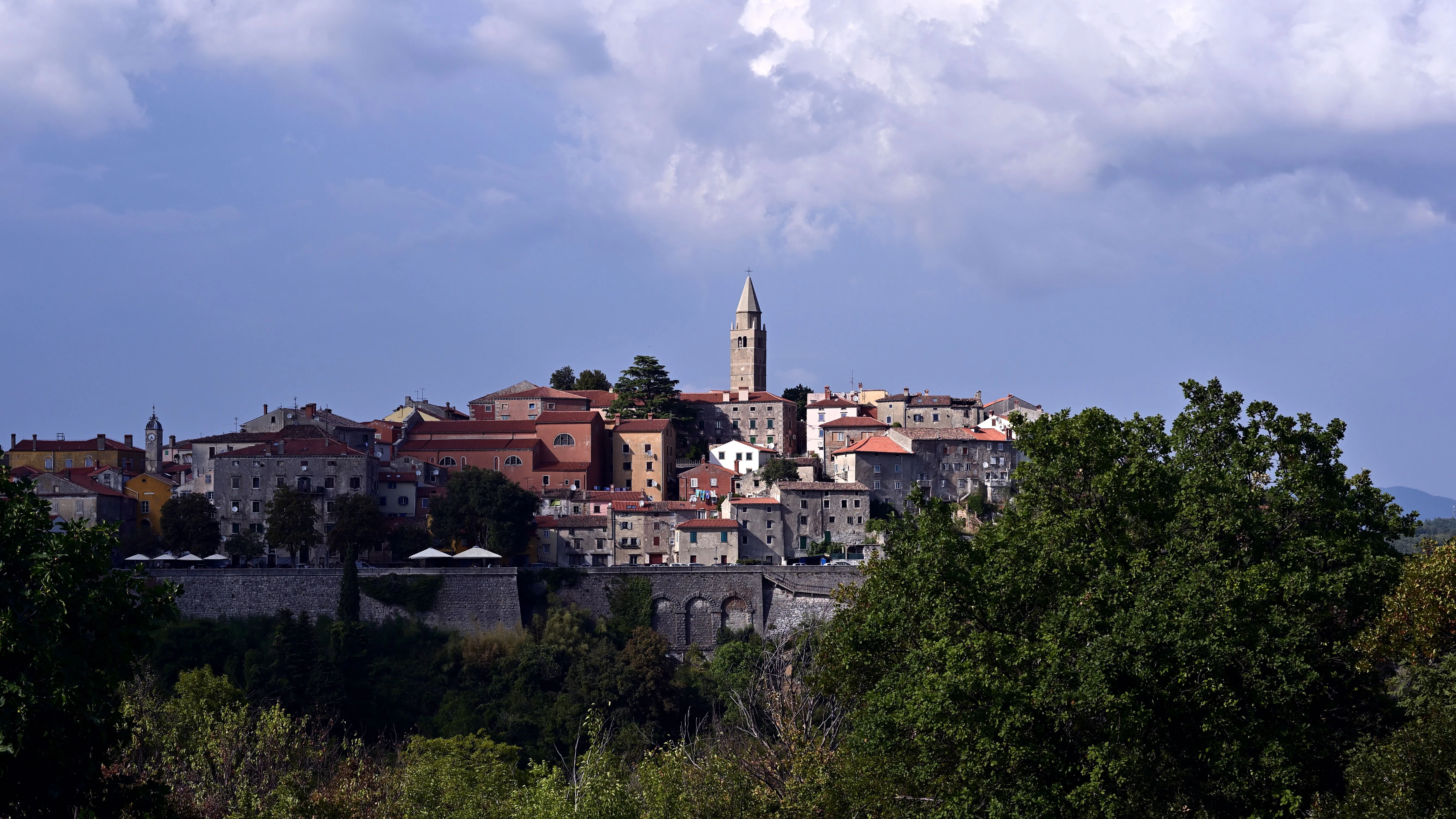
Korčula Town stands among the Adriatic’s most impressive historic settlements. Its medieval walls and narrow streets were designed to channel sea breezes through the town during warm summer months.
Architectural influences from Venice remain visible in stone façades and towers. Walking through the old town reveals squares, churches and shaded courtyards that reflect centuries of maritime trade.
Beyond the historic centre, the island’s villages maintain a slower pace. Markets, vineyards and family restaurants shape everyday life.
Korčula’s Wine Traditions
Korčula is widely known for the white wine grape Grk, grown primarily near the village of Lumbarda. Vineyards flourish in sandy soils near the coast, producing distinctive wines that reflect local conditions.
Family-run wineries welcome visitors to taste regional varieties alongside olive oils and cheeses.
This connection between agriculture and hospitality illustrates why Croatia island wine tours often include Korčula as a key destination.
What Can Travellers Discover at Village Markets and Local Restaurants?
Island markets offer insight into daily life beyond tourist centres. Stalls often display fresh vegetables, cheeses, honey and herbs sourced from nearby farms.
Seafood remains central to many dishes. Grilled fish, octopus salads and seafood stews appear regularly on menus throughout the islands.
Traditional recipes combine Mediterranean ingredients such as olive oil, tomatoes, herbs and locally grown produce.
Island cuisine emphasises simplicity and freshness. Meals frequently take place in family-run restaurants overlooking harbours or village squares.
Sampling local dishes becomes an essential part of Croatia food and wine travel experiences.
Why Is Slow Travel the Best Way to Experience Croatia’s Islands?
Island hopping in Croatia often focuses on beaches and scenic views, yet a slower approach reveals a richer cultural landscape.
Taking time to explore smaller villages allows travellers to experience daily routines shaped by fishing, farming and community gatherings.
Morning markets, vineyard visits and quiet harbour walks offer glimpses into everyday island life.
Choosing Croatia slow island travel also supports smaller communities where tourism remains connected to local traditions.
Travelling slowly across the Adriatic encourages deeper engagement with culture, food and landscape.
How Are Croatian Islands Balancing Tourism and Tradition?
Croatia’s islands continue to adapt to tourism while protecting local identity.
Family-run guesthouses and restaurants play an important role in maintaining traditional hospitality. Many businesses remain owned by island residents whose families have lived there for generations.
Agriculture and fishing continue alongside tourism, helping preserve cultural practices.
This balance ensures that Croatia island traditions remain visible to visitors interested in authentic experiences rather than resort-focused travel.
Expert Travel Tips
Visit between May and September for warm Adriatic weather suitable for island hopping, vineyard visits and coastal exploration. Spring and early autumn often provide pleasant temperatures with fewer crowds.
Allow time to explore villages beyond main ports such as Vis Town or Korčula Town. Smaller settlements often reveal traditional architecture, local markets and quieter coastal landscapes.
Try regional wines produced on the islands, including Vugava from Vis and Grk from Korčula. Many family wineries offer tastings that highlight Croatia’s island wine heritage.
Plan ferry schedules in advance when travelling between islands, particularly during peak summer months when demand increases.
Combine island experiences with visits to mainland regions such as Split or Dubrovnik to create a balanced Croatian itinerary.
Frequently Asked Questions
Which Croatian islands are best for traditional culture?
Vis and Korčula are widely known for preserving fishing traditions, vineyards and village life.
When is the best time to visit Croatia’s islands?
Late spring through early autumn provides warm weather and reliable ferry connections.
Is island hopping in Croatia easy?
Yes. Ferries connect many islands along the Adriatic coast, allowing travellers to visit multiple destinations during one trip.
What wines are produced on Croatian islands?
Common varieties include Vugava from Vis and Grk from Korčula, along with other local Mediterranean grapes.
How many days should travellers spend island hopping?
Five to seven days allows time to explore several islands while enjoying slower travel.
Is Croatian island cuisine different from mainland cuisine?
Island cooking places strong emphasis on seafood, olive oil and Mediterranean ingredients.
Are Croatia’s islands suitable for slow travel?
Yes. Smaller villages, vineyards and fishing communities encourage relaxed exploration.
How Can You Experience Croatia’s Adriatic Island Culture for Yourself?
Croatia’s Adriatic islands offer far more than scenic beaches. Fishing villages, vineyards and family-run kitchens reveal communities where maritime heritage and agriculture remain central to daily life.
Exploring Vis, Korčula and neighbouring islands provides a deeper understanding of Croatian culture through food, wine and village traditions.
Discover Croatia’s islands through the curated journeys offered by Entire Travel Group and experience how Adriatic landscapes and local traditions come together in a memorable island adventure.