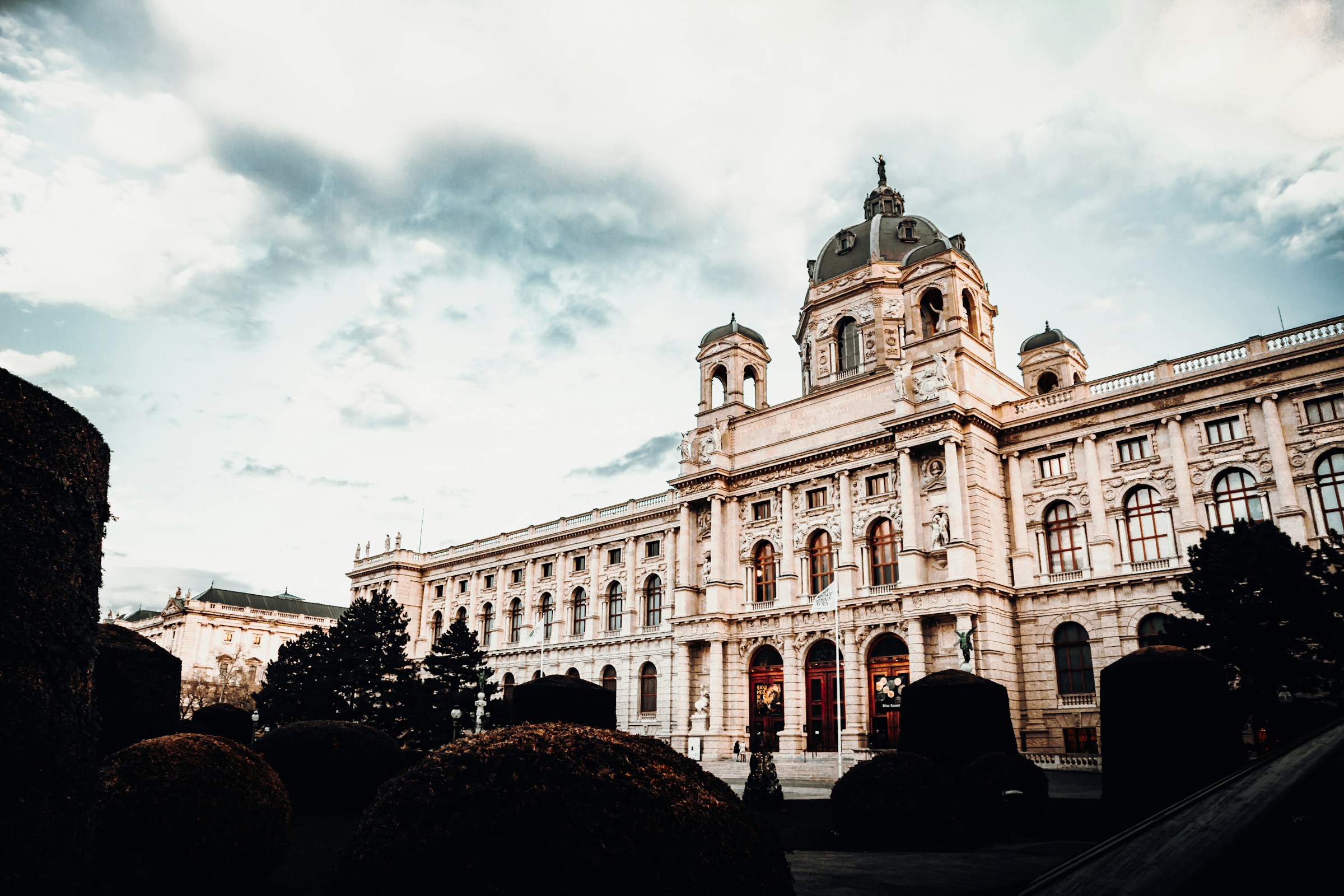
Planning a trip to Vienna and wondering how to experience the city beyond its postcard perfect palaces? Austria's capital is a destination where imperial history, world class art and everyday culture sit comfortably side by side. Grand boulevards lead to quiet courtyards, ornate concert halls share space with bustling markets and centuries old traditions continue to shape daily life.
For travellers exploring Europe, Vienna offers a refined yet welcoming experience. It is compact, well connected by public transport and rich in cultural landmarks that can be enjoyed at a relaxed pace. Whether you are drawn to Habsburg history, classical music or the simple pleasure of lingering in a café, Vienna rewards those who take the time to explore.
This guide highlights the 12 best things to do in Vienna, helping you shape a well balanced itinerary that blends iconic sights with local experiences.
Fun FACTS About VIENNA
- Vienna has been ranked multiple times as one of the world's most liveable cities, thanks to its public transport, green spaces and cultural life
- The city was the centre of the Habsburg Empire for centuries, shaping much of Central Europe's history and architecture
- Vienna's coffee house culture is recognised by UNESCO as intangible cultural heritage
- More than half of Vienna's area is made up of green spaces, including parks, vineyards and forests
- The Wiener Riesenrad Ferris wheel has been turning since 1897 and remains one of the city's most recognisable landmarks
Discover Schönbrunn Palace and Its Gardens
One of the most visited attractions in Vienna, Schönbrunn Palace offers a window into the lives of the Habsburg dynasty. This former summer residence is an expansive Baroque complex with more than 1,400 rooms, many of which are open to visitors.
Inside, lavish state rooms showcase Rococo design, gilded ceilings and period furnishings that reflect the wealth and influence of the imperial family. Outside, the formal gardens stretch across manicured lawns, fountains and statues, leading up to the Gloriette viewpoint. Austria's rich imperial heritage extends beyond Vienna to historical landmarks throughout the country, each telling stories of the Habsburg legacy.
Schönbrunn's history is closely tied to figures such as Empress Maria Theresa and Marie Antoinette, who spent part of her youth here. The palace is also associated with Mozart, who performed for the royal court as a child.
"Walking through Schönbrunn felt like stepping straight into a history book. The scale of the place is incredible." – Helen R., 2023
Explore the Historic Innere Stadt
Vienna's Innere Stadt, or Inner City, forms the heart of the capital and is encircled by the Ringstrasse boulevard. This area is recognised as a UNESCO World Heritage Site and is best explored on foot.
As you wander through narrow streets and grand squares, you will encounter landmarks such as the Vienna State Opera, elegant townhouses and historic churches. The district seamlessly blends daily life with monumental architecture, making it feel lived in rather than preserved.
Many of Vienna's major museums, shops and cafés are concentrated here, making Innere Stadt a natural base for sightseeing.
Climb St Stephen's Cathedral for City Views
At the centre of Innere Stadt stands St Stephen's Cathedral, one of Vienna's most recognisable landmarks. The cathedral's colourful tiled roof and towering spire dominate the skyline and serve as a symbol of the city.
Inside, the Gothic interior features intricate stonework, chapels and altars that reflect centuries of religious and civic history. For panoramic views, visitors can climb the tower, where sweeping vistas stretch across Vienna's rooftops.
The cathedral remains an active place of worship, adding to its sense of continuity and importance.
Visit the Hofburg Palace Complex
The Hofburg Palace is not a single building but a vast complex that grew over centuries as the Habsburgs expanded their power. Today, it houses museums, the Spanish Riding School and the official residence of Austria's President.
Highlights include the Imperial Apartments, the Silver Collection and the Treasury, where the crown jewels are displayed. Each space reveals different aspects of court life, from ceremonial grandeur to everyday routines. The ornate baroque and rococo styling here mirrors the enchanting places found throughout Copenhagen, where royal palaces also showcase centuries of European architectural evolution.
Surrounding the palace are landscaped gardens such as the Volksgarten, offering a quiet place to pause between visits.
"The Hofburg felt endless in the best way. Every courtyard and room told a different story." – Daniel M., 2022
Immerse Yourself in MuseumsQuartier
Vienna's MuseumsQuartier is one of the largest cultural complexes in the world. Set within former imperial stables, it combines historic architecture with modern design and contemporary art.
Key institutions include the Leopold Museum, which focuses on Austrian art, and the Museum of Modern Art (mumok), known for its international collections. Beyond museums, the area features cafés, open courtyards and performance spaces that attract both locals and visitors.
MuseumsQuartier demonstrates Vienna's ability to honour tradition while embracing creativity and change.
Ride the Giant Ferris Wheel at Prater
For a lighter experience, head to Prater Park, home to the historic Wiener Riesenrad Ferris wheel. Originally built in the late 19th century, the wheel offers gentle rides with views over the city.
Prater is more than an amusement park. It also includes expansive green spaces, walking paths and picnic areas that make it popular with Viennese families. The historic carousel and vintage rides create an atmosphere reminiscent of charming European destinations, where traditional entertainment remains an integral part of local culture.
The Ferris wheel has become an enduring symbol of the city and is particularly atmospheric at sunset.
Visit Tiergarten Schönbrunn, the World's Oldest Zoo
Located within the Schönbrunn grounds, Tiergarten Schönbrunn is recognised as the world's oldest zoo still in operation. Originally created as an imperial menagerie, it now plays a role in conservation and education.
The zoo is home to thousands of animals from around the world, housed in environments designed to reflect their natural habitats. Highlights include giant pandas, big cats and diverse bird species.
Its central location and historical setting make it a convenient and engaging stop for travellers of all ages.
Wander Through Naschmarkt
Vienna's Naschmarkt has been a hub of trade and social life since the 16th century. Stretching along the Wien River, the market is lined with stalls selling fresh produce, baked goods, spices and international foods.
In addition to shopping, visitors can sit down at one of the many eateries that line the market, offering everything from traditional Austrian dishes to Middle Eastern and Mediterranean flavours.
Naschmarkt is particularly lively on weekends, when locals gather to shop, eat and socialise.
"Naschmarkt was such a contrast to the palaces. It felt real, busy and full of flavour." – Sophie L., 2021
Experience Vienna's Coffee House Culture
No visit to Vienna is complete without spending time in a traditional Kaffeehaus. These cafés are more than places to drink coffee. They are social institutions where people read newspapers, write, talk and linger.
Classic coffee styles include the mélange, similar to a cappuccino, and the einspänner, topped with whipped cream. Many cafés also serve pastries such as apple strudel and Sachertorte. This elegant café tradition shares similarities with the refined dining culture found in Switzerland's cities, where leisurely meals and quality beverages are equally cherished.
Vienna's coffee house culture is recognised by UNESCO as intangible cultural heritage, reflecting its importance to the city's identity.
Walk Through the Central Cemetery
Vienna's Central Cemetery, or Zentralfriedhof, may seem an unusual sightseeing stop, but it offers insight into the city's musical and cultural legacy. The cemetery is the final resting place of composers such as Beethoven, Brahms and Strauss.
Spanning a vast area, it also functions as a green space where locals walk and reflect. Monumental tombs and memorials line the pathways, creating a quiet and contemplative atmosphere.
Admire Hundertwasserhaus
For a break from classical architecture, visit Hundertwasserhaus, a residential building designed by artist Friedensreich Hundertwasser. Its colourful façade, uneven floors and organic shapes challenge traditional architectural norms.
Although the building itself is not open to the public, visitors can view it from the street and explore nearby exhibitions dedicated to Hundertwasser's work.
This site highlights Vienna's modern and experimental side, offering a visual contrast to the city's historic core.
Visit the Sigmund Freud Museum
Vienna played a pivotal role in the development of modern psychology as the home of Sigmund Freud. The Sigmund Freud Museum, located in his former apartment and practice, explores his life and work.
Visitors can view original documents, personal belongings and the spaces where Freud developed his theories. The museum provides context for Vienna's intellectual climate during the late 19th and early 20th centuries. This scholarly atmosphere reflects the broader cultural richness found throughout the region, much like Italy's diverse intellectual heritage across its historic cities and universities.
"Seeing Freud's actual rooms made his work feel far more human and grounded." – Alex P., 2024
Expert Travel Tips for Visiting Vienna
- Spring and autumn offer pleasant weather and fewer crowds than peak summer
- Vienna's public transport system is efficient and easy to navigate
- Many attractions are close together, making walking a practical option
- Museums often have extended hours one evening per week
- Australians should check travel advice on the Smart Traveller website before departure
References
Vienna Tourist Board
- UNESCO World Heritage Centre
- Austrian Federal Chancellery
- Austrian National Tourism Office
- Australian Government Smart Traveller