Planning a trip to Türkiye and keen to explore the country through its food? Turkish cuisine is one of the most diverse and satisfying in the world, shaped by centuries of history and a geography that bridges Europe, Asia and the Middle East. From bustling street stalls in Istanbul to family-run lokantas in regional towns, food is central to daily life and an essential part of any visit.
For travellers, Turkish gastronomy offers more than just flavour. Each dish reflects a story of migration, trade, tradition and regional identity. Whether you are sampling small plates along the Aegean coast or enjoying hearty meals in central Anatolia, Türkiye's food culture invites you to slow down, share and savour.
This guide highlights 10 delightful Turkish dishes every visitor should try, along with tips on when and where to enjoy them as part of a well paced Türkiye holiday.
Fun Trivia About Turkish Cuisine
- Turkish cuisine evolved from the Ottoman Empire, which once spanned three continents and influenced food traditions across Europe, Asia and the Middle East
- Türkiye has more than 80 regional cuisines, with ingredients and cooking styles changing noticeably from coast to inland areas
- Meze culture is designed to encourage long, social meals rather than quick dining
- Döner kebab was popular in Türkiye long before it became a global street food staple
- Pistachios used in baklava from southeastern Türkiye are considered among the finest in the world
Why Turkish Cuisine Is a Must for Food Lovers
Turkish cuisine is built on balance. Bold spices are used thoughtfully, fresh ingredients are prized and meals are often designed to be shared. Olive oil dishes dominate the west and south, while meat and grain-based recipes are more common inland. Across the country, bread is a staple and meals are social by nature.
For travellers, food in Türkiye is accessible at every level. You can enjoy exceptional meals at simple neighbourhood eateries just as easily as in refined restaurants. Many dishes are cooked using methods passed down through generations, offering a genuine taste of place rather than a tourist interpretation.
"Every meal felt like a cultural experience. Even the simplest dishes had so much depth and history behind them." – Laura H., 2023
Meze: The Social Start to Any Meal
Meze refers to a selection of small dishes served at the beginning of a meal, particularly in taverns known as meyhanes. These plates are designed to be shared and enjoyed slowly, often alongside conversation and local drinks.
Common meze include hummus, baba ghanoush, marinated olives, stuffed peppers and yoghurt-based dips flavoured with herbs and garlic. Fresh bread accompanies every plate, encouraging diners to mix flavours and textures.
Meze is less about filling up and more about setting the tone for the meal. It reflects the communal nature of Turkish dining and is best enjoyed without rushing. Similar communal dining traditions can be found across the Mediterranean, including the delightful Greek street food culture that emphasises sharing and socialising.
Köfte: Comfort Food Across the Country
Köfte are seasoned meatballs made from lamb, beef or a combination of both. They are grilled, pan fried or simmered depending on the regional style and are considered everyday comfort food throughout Türkiye.
You'll find köfte served with rice, salad or flatbread, and sometimes cooked in tomato-based sauces. Each region has its own variation, with differences in spice blends, shape and preparation.
Because köfte is so widely eaten, it is also a reliable dish for travellers looking for something familiar yet distinctly Turkish.
"We kept ordering köfte in different towns and it never tasted the same twice. Each version had its own personality." – Mark R., 2022
Kebabs: Türkiye's Most Famous Export
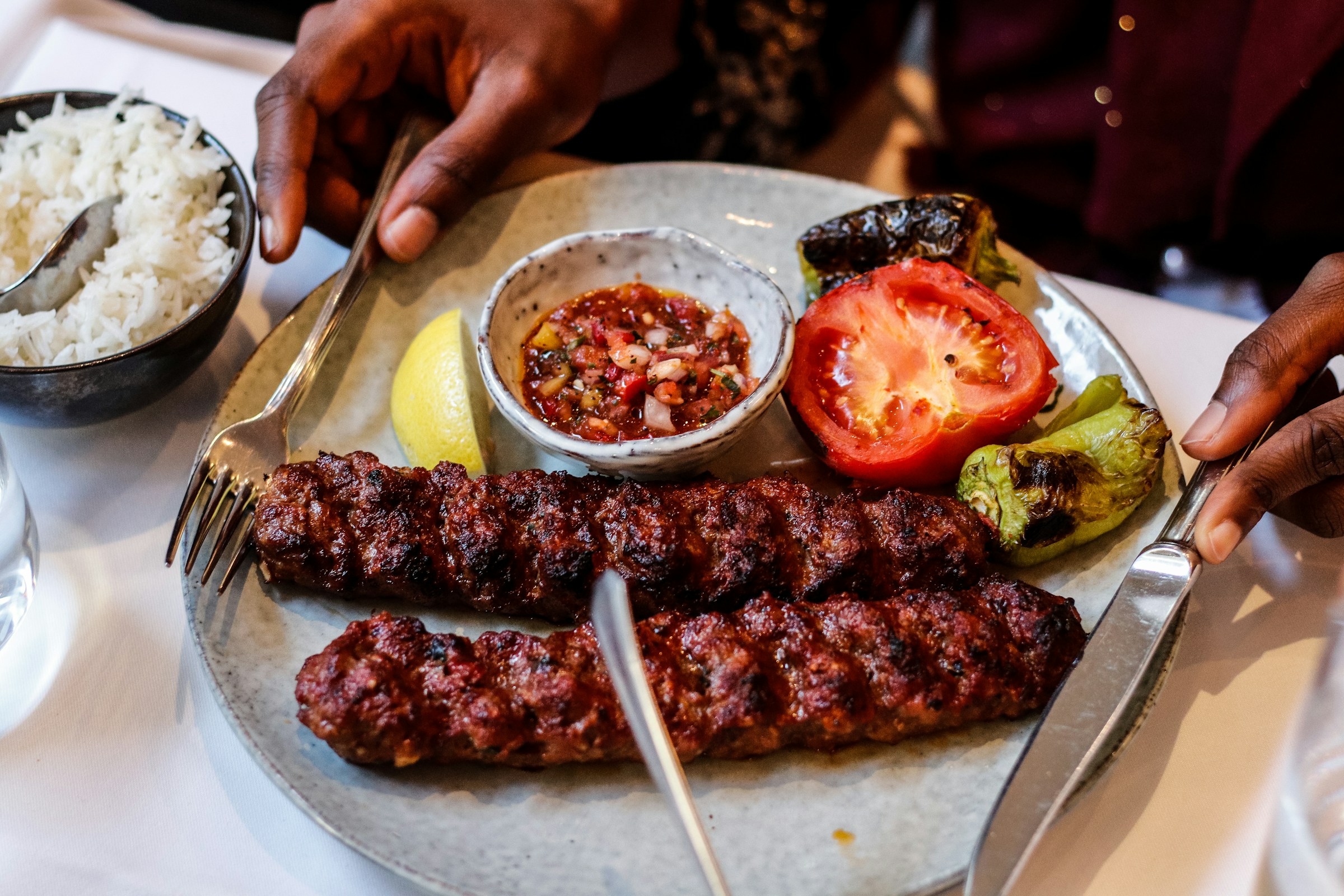
No exploration of Turkish gastronomy would be complete without kebabs. While many travellers associate kebabs with street food, in Türkiye they range from casual to celebratory dishes.
Şiş kebabs feature marinated meat grilled on skewers, often alongside vegetables. Adana kebabs are spicier minced meat preparations shaped onto wide skewers, while döner kebab involves meat cooked on a vertical spit and shaved to order.
Kebabs vary significantly by region, with southeastern Türkiye known for bold spices and robust flavours. Sampling kebabs in different cities is one of the easiest ways to taste regional diversity. Exploring best street markets in Türkiye offers countless opportunities to taste authentic regional kebab variations alongside other local specialities.
Kumpir: Street Food With Endless Toppings
Kumpir is a popular Turkish street food made from oversized baked potatoes. Once split open, the fluffy interior is mixed with butter and cheese, then topped with a wide range of ingredients.
Common additions include sausages, pickles, olives, corn and salads, allowing diners to customise their meal. Kumpir stalls are especially common in busy urban areas and seaside promenades.
This dish highlights the playful side of Turkish street food and is particularly popular with younger locals and travellers.
Mantı: Small Dumplings With Big Flavour
Often described as Turkish dumplings, mantı are tiny parcels of pasta filled with minced meat and cooked until tender. They are traditionally served with garlic yoghurt, melted butter and spices.
Mantı reflects the influence of Central Asian and Anatolian cooking traditions and is often prepared by hand in homes and restaurants alike. The smaller the dumplings, the more skill is said to be involved in their making.
For travellers, mantı offers a comforting yet flavour packed dish that bridges familiar and new culinary territory. Street food traditions across neighbouring regions share similar dumpling techniques, much like the taste of Thailand's street foods that blend influences from across Asia.
Yaprak Sarma: A Mediterranean Classic
Yaprak sarma are grape leaves stuffed with rice, pine nuts, herbs and spices, then gently cooked in olive oil and lemon juice. Served cold or at room temperature, they are light, aromatic and deeply rooted in Mediterranean cooking.
These rolls are commonly found among meze selections but can also be enjoyed on their own. Vegetarian-friendly and widely available, yaprak sarma showcases the importance of olive oil dishes in Turkish cuisine.
Midye Dolma: A Coastal Favourite
In Türkiye's coastal cities, midye dolma or stuffed mussels are a popular street snack. Mussels are filled with spiced rice, herbs and aromatics, then steamed or baked.
They are typically eaten with a squeeze of lemon and enjoyed standing by the sea or strolling along waterfront areas. While simple in appearance, midye dolma delivers rich flavour and is deeply associated with coastal food culture.
"Trying midye dolma by the water felt like a local ritual. It was simple, fresh and full of flavour." – Sophie L., 2021
Menemen: Comfort in a Pan
Menemen is a traditional egg dish made with tomatoes, peppers and spices, gently scrambled together and served hot. It is commonly eaten for breakfast but can be enjoyed at any time of day.
The dish is brought to the table in the pan it is cooked in, accompanied by fresh bread for dipping. Variations may include cheese or onions, depending on preference.
Menemen reflects the home style cooking found across Türkiye and offers a warm, satisfying break from sightseeing.
Künefe: A Sweet and Cheesy Delight
For dessert lovers, künefe is a standout. This hot dessert combines shredded pastry with melted cheese, baked until crisp and soaked in sugar syrup. It is often topped with crushed pistachios and served immediately.
The contrast between crunchy pastry, gooey cheese and sweet syrup makes künefe a memorable finish to a meal. It is especially popular in southern Türkiye but can be found in dessert shops across the country.
Baklava: A Timeless Favourite
Few desserts are as closely associated with Türkiye as baklava. Made from layers of thin pastry filled with nuts and soaked in syrup or honey, baklava is rich, sweet and deeply satisfying.
Pistachio baklava from southeastern regions is particularly prized, while other variations use walnuts or mixed nuts. Enjoyed with Turkish tea or coffee, baklava is a fitting end to any culinary exploration. For travellers interested in exploring diverse culinary traditions beyond Türkiye, Italian street food experiences offer similarly rich heritage and regional variations.
Expert Travel Tips for Exploring Turkish Food
- Regional dishes vary widely, so try the same dish in different cities
- Lunch menus at local eateries often offer excellent value and authenticity
- Street food is generally safe to eat when stalls are busy and freshly stocked
- Sharing dishes is common and encouraged in Turkish dining culture
- Australians should check current travel advice on the Smart Traveller website before departure
References
- Türkiye Tourism Promotion and Development Agency
- UNESCO World Heritage Centre
- Australian Government Smart Traveller
- Cultural Heritage Administration of Türkiye
Exploring Turkish gastronomy adds depth and meaning to any journey through Türkiye. From shared meze and comforting street food to iconic desserts passed down through generations, each dish tells part of the country's story.
Picture yourself savouring künefe by the Bosphorus or sharing meze with locals in a traditional meyhane. Our Turkey travel packages bring together the flavours, culture and hospitality that make Türkiye unforgettable.