Puglia and Alberobello: The Sun-Drenched Heel of Italy
Puglia forms the heel of Italy’s famous boot and is known for its relaxed coastal towns, Baroque architecture and olive-dotted countryside. In Alberobello, conical trulli houses create a storybook skyline, while the Salento peninsula offers white-sand beaches and clear water that feel almost tropical.
The region enjoys a temperate Mediterranean climate, with more than 300 sunny days a year. Spring brings fresh produce such as strawberries and peaches into local markets, summer fills coastal towns with festivals and music and autumn is ideal for exploring Lecce’s Baroque streets in softer light.
Getting around is part of the adventure. Most visitors hire a car, which makes it easier to reach smaller villages and hidden coves. Regional trains link popular spots such as Alberobello, Lecce and Otranto, while scenic rail lines and local buses give you a glimpse of daily life in the countryside.
Amalfi Coast and Campania: Clifftop Towns and Coastal Glamour
Further west, Campania frames some of Italy’s most photogenic shorelines. Naples provides a lively starting point, with its historic laneways and legendary pizza, before you continue to the Amalfi Coast. This 50-kilometre stretch of coastline between Sorrento and Salerno is carved into cliffs, with colourful towns like Positano, Amalfi, Ravello and Sorrento clinging to the slopes.
Terraced vineyards, lemon groves and sea views accompany every twist in the coastal road. Small beaches lie at the base of dramatic cliffs and islands such as Capri and Ischia tempt visitors with garden-filled villas and sparkling bays.
Spring, from April to June, is one of the best times to visit, with mild weather, blooming flowers and pleasant sea temperatures. July and August bring peak crowds and hotter weather, while November marks the start of the quiet season when many hotels close until Christmas or the following spring.
Entire Travel Group offers Italy holiday packages that include stays in Sorrento and the Amalfi Coast, often combined with visits to Pompeii or Capri, so you can enjoy the region without juggling separate bookings.
Basilicata and Calabria: Coastal Cliffs and Cave-Carved Towns
Basilicata and Calabria remain less visited than other regions, which makes them ideal for travellers seeking quieter roads and authentic towns. Calabria stretches across the toe of Italy, facing both the Ionian and Tyrrhenian seas. Pretty Tropea sits high above the sea with lanes, piazzas and beaches known collectively as the “Coast of the Gods”.
Basilicata’s landscape is more rugged, with mountain ranges, forested valleys and cliff-hugging villages. Its standout attraction is Matera, a UNESCO-listed city of cave dwellings known as the Sassi. Once abandoned, these dwellings have been carefully restored into boutique hotels, restaurants and galleries that preserve their distinctive rock-hewn character.
Spring and early summer are ideal for hiking in national parks and exploring hilltop towns, while September and October offer lingering warmth with fewer crowds.
Liguria and the Cinque Terre: Riviera Villages and Coastal Trails
On the north-west coast, Liguria curves along the Italian Riviera with a string of colourful seaside towns and harbours. The region includes Genoa, one of Europe’s important historic ports, and smaller towns such as Sanremo, Portofino and Santa Margherita Ligure.
The star attraction for many visitors is the Cinque Terre, five villages perched on steep cliffs above the sea. The walking trails between Monterosso, Vernazza, Corniglia, Manarola and Riomaggiore offer sweeping coastal views and a glimpse of terraced vineyards clinging to the slopes.
Late spring and early autumn are excellent for hiking, with comfortable temperatures and more manageable crowds. Summer brings a festive atmosphere but also busy paths and full trains.
A Sydney couple who travelled with Entire Travel Group shared that “waking up in a Cinque Terre village and watching the fishing boats return at dawn was worth the early alarm every time”.
Emilia Romagna and San Marino: Food, Motors and Mosaics
Emilia Romagna stretches from the Apennine mountains to the Adriatic Coast and is one of Italy’s great food and wine powerhouses. Bologna, a lively university city, is known for its porticoed streets and rich dishes such as ragu alla bolognese. Nearby Modena and Parma complete a classic food trail where you can taste Parmigiano Reggiano, Prosciutto di Parma and traditional balsamic vinegar.
The region is also home to the famous Motor Valley, a small triangle of land where Ferrari, Lamborghini and Pagani are built. It is a paradise for car enthusiasts who can tour museums, factories and test tracks.
Ravenna, near the Adriatic, shelters dazzling Byzantine mosaics that have earned multiple UNESCO World Heritage listings. The tiny republic of San Marino, perched on Monte Titano, offers medieval streets, fortress towers and panoramic views over the surrounding countryside.
Emilia-Romagna is a year-round destination, though many travellers favour spring and autumn for their mild temperatures and food festivals.
Tuscany and Florence: Vineyards, Hilltowns and Renaissance Art
Tuscany is exactly what many people picture when they dream of Italy. Rolling hills, vineyards, cypress-lined drives and sandstone villages form a gentle landscape that feels timeless. Florence, the region’s capital, is the cradle of the Renaissance and home to masterpieces in the Uffizi Gallery, the Duomo and countless churches.
Beyond Florence, you can wander the medieval streets of Siena, climb towers in San Gimignano, or visit wine towns such as Montepulciano, Montalcino and the Chianti region. Wine tasting, olive oil sampling and long lunches in agriturismo farm stays are essential parts of the experience.
Spring and early autumn bring mild weather and colourful vineyards, while summer is perfect for countryside drives and evening festivals. Winter is quieter and ideal for travellers focused on galleries and museums rather than rural views.
Rome and Lazio: The Eternal City and Its Surrounds
Rome and its surrounding Lazio region have drawn visitors for centuries. The city’s ancient sites, including the Colosseum, Roman Forum and Palatine Hill, sit alongside Baroque piazzas and lively neighbourhoods. Vatican City contains St Peter’s Basilica and the Vatican Museums, home to Michelangelo’s famous Sistine Chapel ceiling.
Beyond the capital, Lazio offers hilltowns, lakes and archaeological sites where you can escape the crowds for a day. Rome is attractive year-round, though April to June and September to October are particularly pleasant for sightseeing.
Northern Lakes, Milan and the Dolomites: Alpine Air and Elegant Shores
Northern Italy combines alpine scenery with elegant lakeside towns and chic cities. Lake Como, Lake Garda and Lake Maggiore are fringed by mountains, villas and gardens, creating a relaxed yet polished atmosphere. Many visitors choose to base themselves in towns like Bellagio, Stresa or Sirmione for boat trips, walks and slow mornings by the water.
Milan serves as both a style capital and a gateway to the lakes and the Dolomites. The city offers iconic sights such as the Duomo and Leonardo da Vinci’s Last Supper, along with fashion districts and design events. Further north, the Dolomites provide dramatic peaks, hiking trails and ski slopes, with towns like Cortina d’Ampezzo and Merano blending Italian and Austrian influences.
Sicily, Sardinia and the Italian Islands: Sun, Sea and Ancient Stories
Italy’s islands offer a different pace of life. Sicily, the largest island in the Mediterranean, is rich with archaeological sites, hilltop towns and coastal villages. You can explore ancient Greek theatres in Taormina, wander the historic streets of Palermo and admire Mount Etna, one of Europe’s most famous volcanoes.
Off Sicily’s north-east coast lie the Aeolian Islands, a UNESCO-listed volcanic archipelago where each island has its own personality. Lipari serves as a popular base for boat trips and coastal walks, while Stromboli’s active volcano glows at night.
Sardinia offers rugged highlands, hidden coves and long stretches of beach along the Costa Smeralda. Italian families and international visitors alike come here for relaxed seaside holidays, crystal-clear water and coastal drives between small towns.
Summer is peak season for the islands, although spring and early autumn offer warm seas with fewer crowds.
Umbria and Abruzzo: Italy’s Green Heart and Quiet Mountains
Umbria, often called the “green heart of Italy”, is a land of medieval hill towns, vineyards and olive groves. Towns like Assisi, Spoleto, Todi, Spello and Orvieto offer churches, festivals and sweeping valley views. Perugia, the regional capital, adds a younger energy with its university population and chocolate heritage.
To the east, Abruzzo stretches from the Apennines to the Adriatic Coast. It remains relatively undiscovered by international visitors, which makes it ideal for travellers seeking a slower pace and lower-key villages. National parks such as Gran Sasso preserve wild landscapes where wolves, bears and deer still roam.
Both regions are truly year-round, with skiing in winter, wildflowers and food festivals in spring and summer, and colourful foliage in autumn.
Venice and the Veneto Region: Canals, Prosecco Hills and Art Cities
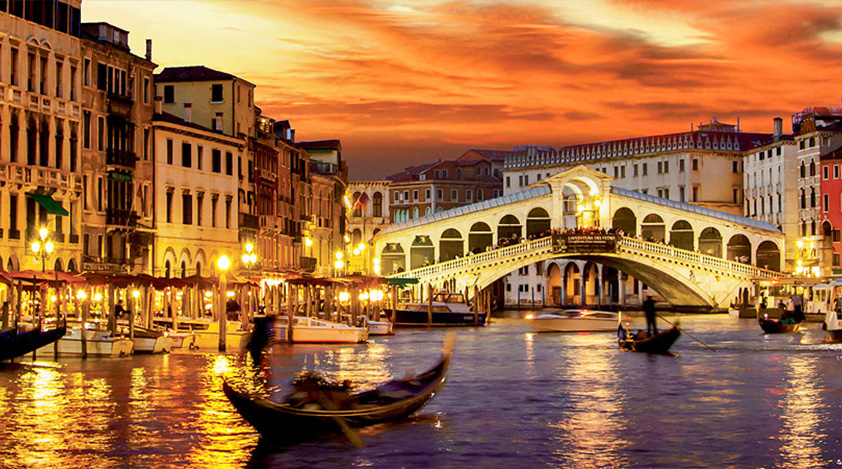
The Veneto region, in north-east Italy, centres on Venice, a city built on 118 islands with more than 150 canals and hundreds of bridges. Gondolas and vaporetti replace cars, and every turn reveals a church façade, a quiet campo or a waterside café. Venice and its lagoon are UNESCO World Heritage listed and feel like a living work of art.
Beyond Venice, Veneto offers a patchwork of art cities, vineyards and alpine scenery. Verona, another UNESCO-listed city, blends Roman arenas with medieval streets and literary associations with Shakespeare’s Romeo and Juliet. The Prosecco hills around Valdobbiadene provide vineyard views and tastings, while the Dolomites rise to the north with hiking and skiing.
Spring and autumn are ideal for Venice and the Veneto, when the climate is gentler and day trips to nearby towns are more comfortable.
Expert Travel Tips for Exploring Italy’s Regions
- Consider splitting your Italy multi-region itinerary into north, centre and south so you are not rushing between distant areas
- Travel in April to June or September to October for comfortable temperatures and fewer crowds in most regions
- Use Italy’s extensive rail network for journeys between major cities and hire a car only where you need access to smaller towns or rural stays
- Book popular experiences, such as Colosseum tours or Cinque Terre hiking passes, in advance during peak season
- Learn a few basic Italian phrases for greetings and ordering food, especially in smaller towns where English is less widely spoken
Plan Your Trip Today with Entire Travel Group
With so many regions of Italy to choose from, putting everything together on your own can feel overwhelming. Entire Travel Group’s Italy holiday packages help you connect key regions such as Rome and Puglia, Tuscany and the Cinque Terre, or Sicily and the Aeolian Islands so you can enjoy the journey rather than worry about the logistics.
Explore our travel packages on the Entire Travel Group website and start planning the Italy journey that suits your pace, interests and style.