Fiji Island Hopping Travel Guide: Yasawas, Mamanucas and Outer Islands
Posted by on 26 Jul 2026
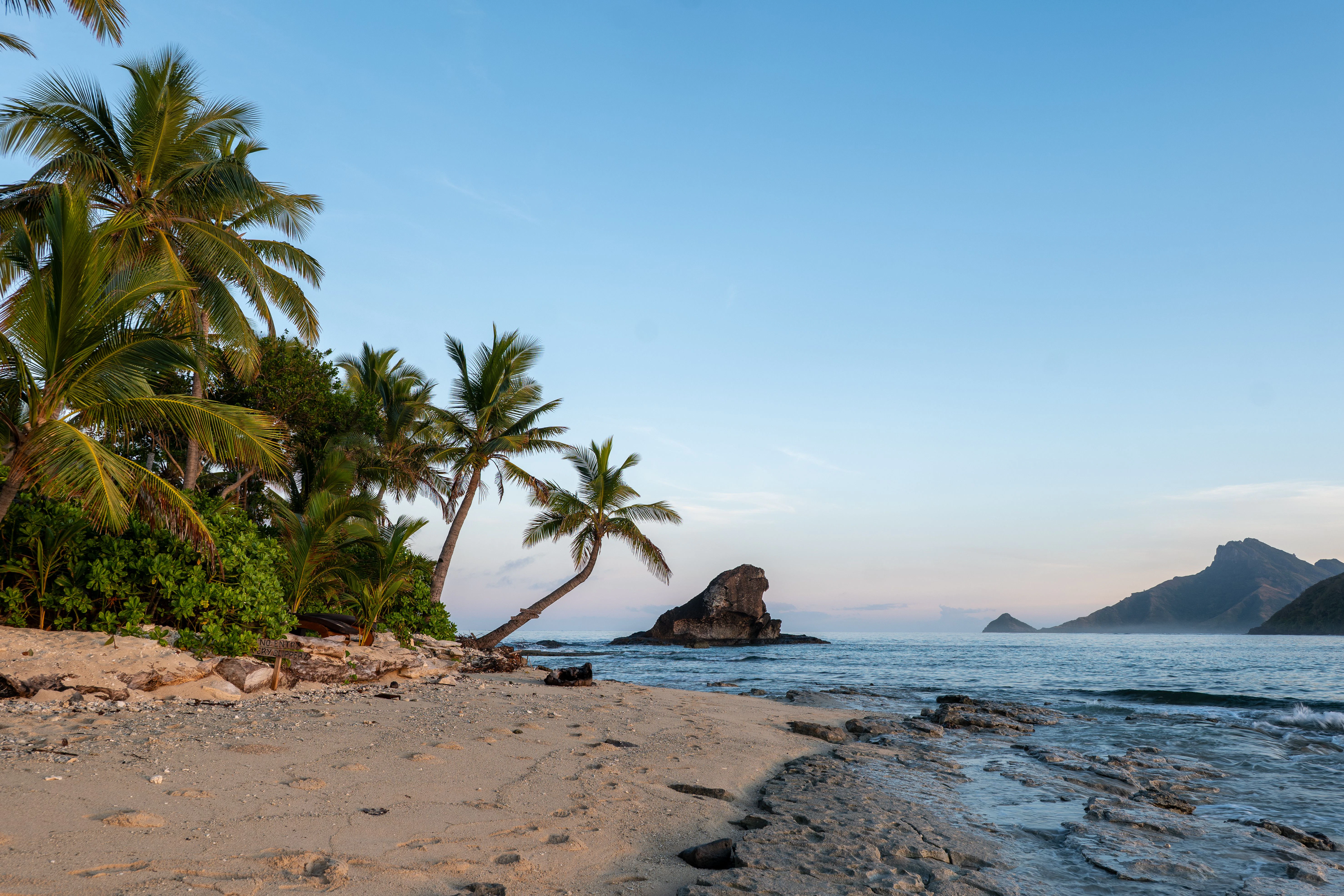
Hoping to experience turquoise lagoons, palm-fringed beaches and warm Fijian hospitality? While many visitors choose a single island resort, the most rewarding way to experience Fiji is through Fiji island hopping. Spread across more than 300 islands in the South Pacific, Fiji offers an incredible variety of landscapes, communities and travel experiences that can only truly be appreciated by exploring beyond one destination.
A well-planned Fiji island hopping itinerary allows travellers to experience the lively atmosphere of the Mamanuca Islands, the dramatic scenery of the Yasawa Islands and the natural beauty of more remote outer islands such as Taveuni and Kadavu. Along the way, you'll discover vibrant coral reefs, traditional villages, rainforest landscapes and some of the South Pacific's most spectacular coastlines.
For travellers seeking a balance of relaxation, adventure and cultural connection, island hopping provides a deeper perspective on Fiji. Rather than seeing a single version of the destination, you'll experience multiple island environments, each with its own character, traditions and natural attractions.
Fun Facts
Fiji consists of more than 330 islands, although fewer than one-third are permanently inhabited.
The Yasawa Islands remained relatively inaccessible to tourism until the 1980s, helping preserve much of their natural beauty and traditional village culture.
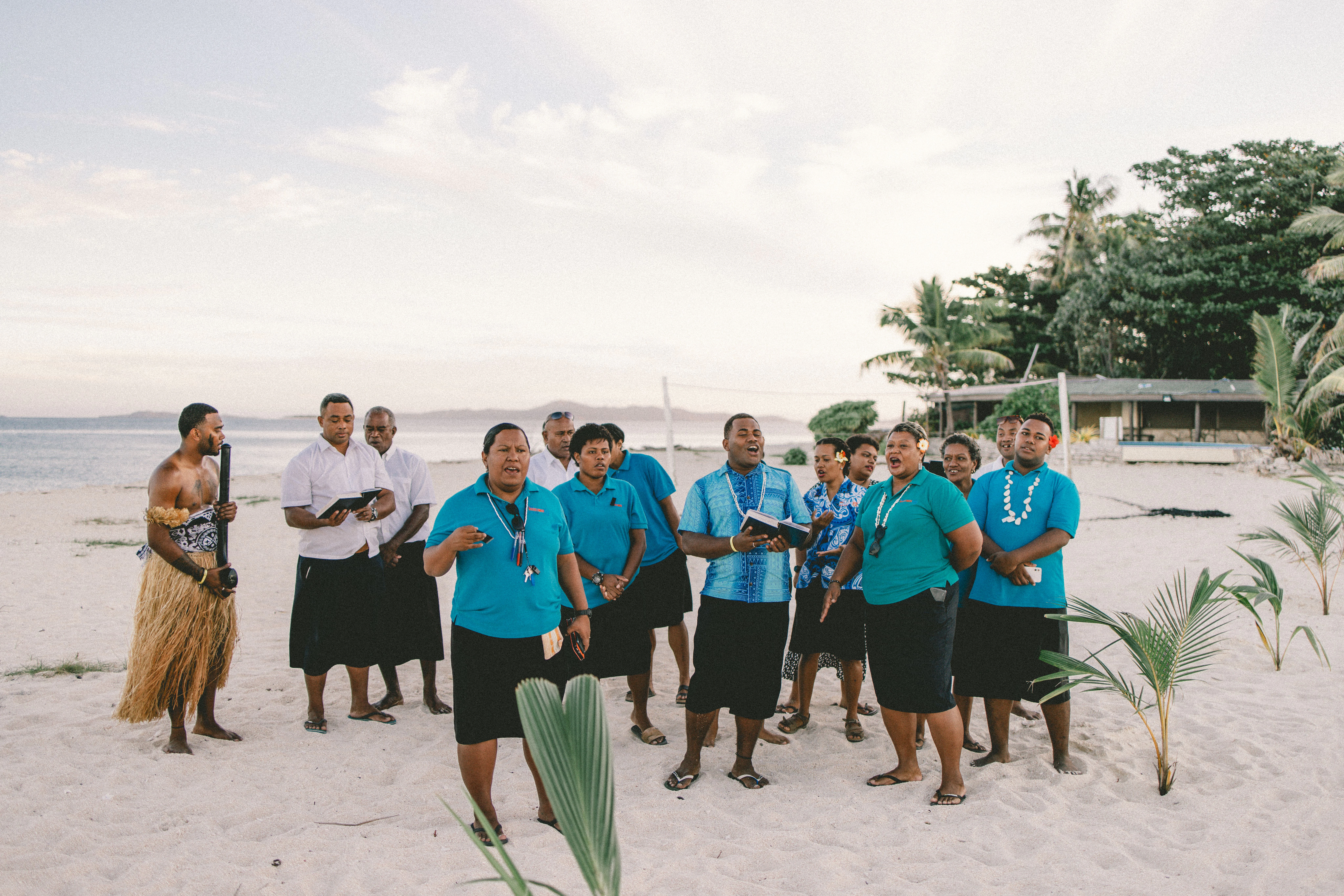
Fiji's traditional kava ceremony remains an important part of village life throughout the islands.
Some of Fiji's healthiest coral reef systems are found around remote outer islands such as Kadavu.
Domestic flights between Fiji's islands often provide breathtaking aerial views of reefs, lagoons and volcanic landscapes.
Why Is Island Hopping the Best Way to Experience Fiji?
How Does Island Hopping Reveal More of Fiji's Diversity?
Many travellers arrive in Fiji expecting pristine beaches and luxury resorts, and while those experiences certainly exist, the destination offers much more. Every island group presents a different side of Fiji, from bustling marine playgrounds and family-friendly resorts to secluded villages and untouched natural environments.
Island hopping allows travellers to experience this diversity firsthand. One day may involve snorkelling over colourful coral reefs in the Mamanucas, while the next could be spent hiking through a rainforest on Taveuni or participating in a traditional village visit in the Yasawas.
This variety creates a richer and more memorable journey than remaining in a single location for the entire trip.
Why Should Travellers Explore More Than One Island Group?
Each of Fiji's major island groups appeals to different travel styles and interests. The Mamanucas offer convenience and accessibility, the Yasawas provide spectacular scenery and a slower pace, while the outer islands introduce travellers to Fiji's more remote and less visited regions.
Combining several island groups allows travellers to enjoy the best of each. It also creates a more balanced holiday, mixing adventure with relaxation and cultural encounters with natural exploration.
Which Fiji Islands Should You Include in an Island-Hopping Itinerary?
Why Are the Mamanuca Islands Ideal for First-Time Visitors?
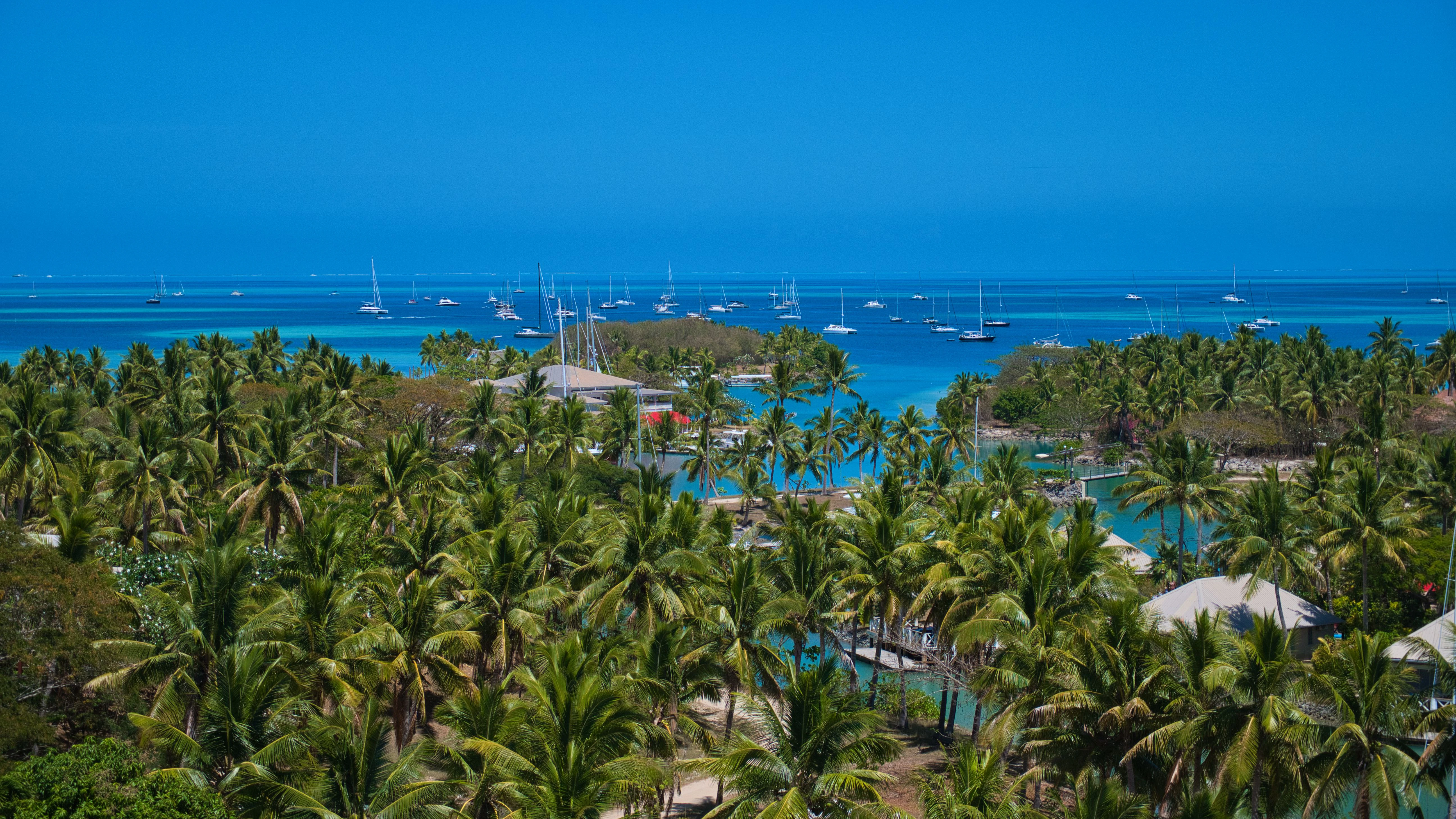
Located just offshore from Viti Levu, the Mamanuca Islands are among Fiji's most accessible destinations. Boat transfers from Port Denarau near Nadi make reaching the islands straightforward, allowing travellers to begin their holiday with minimal travel time.
The Mamanucas are famous for their white-sand beaches, calm lagoons and excellent water-based activities. Snorkelling, paddleboarding, kayaking and reef swimming are all easily accessible, making the islands popular with couples, families and first-time visitors.
Accommodation ranges from boutique island retreats to larger resorts, providing options for different budgets and travel styles. Their proximity to the mainland also makes them an ideal starting point for a broader Fiji island hopping itinerary.
What Makes the Yasawa Islands One of Fiji's Most Scenic Regions?
Further north, the Yasawa Islands offer some of Fiji's most iconic scenery. Volcanic peaks rise dramatically above turquoise waters, while secluded beaches and hidden coves create a sense of discovery that appeals to travellers seeking a more remote experience.
The Yasawas are particularly well suited to island hopping because regular ferry services connect many of the islands. Travellers can gradually move north through the chain, stopping at different islands to experience their unique landscapes and communities.
The region is renowned for snorkelling, diving and marine encounters. Crystal-clear waters provide excellent visibility, while healthy coral reefs support abundant marine life. Many visitors also appreciate the quieter atmosphere compared to more accessible island groups.
Why Should You Consider Fiji's Outer Islands?
For travellers with additional time, Fiji's outer islands provide opportunities to explore beyond the country's most visited regions.
Taveuni, often referred to as the Garden Island, is known for its lush rainforest, waterfalls and biodiversity. Hiking trails lead through protected forests, while offshore reefs offer exceptional diving and snorkelling opportunities.
Kadavu attracts nature lovers with its relaxed pace and access to the Great Astrolabe Reef, one of the largest barrier reef systems in the world. The island remains relatively undeveloped, creating a more authentic and tranquil atmosphere.
These destinations showcase a different side of Fiji, where nature and local culture often take centre stage.
How Do You Travel Between Fiji's Islands?
Are Ferries the Best Way to Explore the Yasawa and Mamanuca Islands?
Ferries are one of the most popular ways to travel between islands, particularly in the Yasawa and Mamanuca groups. Regular services operate from Port Denarau, stopping at multiple islands along established routes.
Many travellers choose island passes that allow flexible travel between destinations. This approach makes it easy to customise an itinerary while maintaining a relaxed pace.
Ferry journeys also provide scenic views of neighbouring islands and coral reefs, making transportation part of the travel experience.
When Should You Choose Domestic Flights?
For greater distances, domestic flights offer a convenient alternative. Services connect Viti Levu with destinations such as Taveuni and Kadavu, significantly reducing travel times.
Flights are particularly useful for travellers combining multiple island groups within a limited timeframe. The aerial views alone make these journeys worthwhile, revealing the scale and beauty of Fiji's reef systems and lagoons.
How Easy Is Inter-Island Travel in Fiji?
Despite its geography, Fiji is surprisingly easy to navigate. Ferries, domestic airlines and resort-operated boat transfers create a well-established transport network that supports multi-island travel.
With thoughtful planning, travellers can seamlessly move between island groups while maintaining a comfortable and enjoyable pace.
What Experiences Can You Have While Island Hopping in Fiji?
Where Can You Find Fiji's Best Snorkelling and Marine Life?
One of the greatest advantages of Fiji island hopping travel is the opportunity to experience different marine environments.
The Mamanucas offer calm lagoons ideal for beginner snorkellers, while the Yasawas provide access to deeper reef systems and excellent visibility. Outer islands such as Kadavu are renowned for more advanced diving opportunities and thriving marine ecosystems.
Colourful coral gardens, tropical fish, sea turtles and reef sharks can all be encountered in Fiji's waters, making marine exploration a highlight of many itineraries.
How Can Travellers Experience Traditional Fijian Culture?
Cultural experiences are an important part of many island-hopping journeys. Guided village visits introduce travellers to traditional customs, community life and local hospitality.
Visitors may participate in a kava ceremony, learn about village traditions or observe local craftsmanship. These encounters provide valuable insight into contemporary Fijian culture while encouraging respectful engagement with local communities.
Such experiences often become some of the most meaningful memories from a Fiji holiday.
Why Is Fiji Perfect for Slow Travel?
Fiji naturally lends itself to slow travel in the South Pacific. Life moves at a gentler pace, shaped by community rhythms, tides and the natural environment.
Island hopping encourages travellers to embrace this slower approach. Rather than rushing between attractions, visitors can spend time swimming, walking along beaches, enjoying long lunches and simply appreciating their surroundings.
This slower pace often creates deeper connections with both the destination and the people who call it home.
How Should You Plan a Fiji Island-Hopping Itinerary?
How Many Islands Should You Visit in One Trip?
The ideal number depends on your travel style and available time. For most travellers, visiting two to four islands creates a comfortable balance between exploration and relaxation.
Attempting to include too many destinations can make a trip feel rushed, while focusing on a smaller number allows time to appreciate each location fully.
What Is the Ideal 7 to 10 Day Fiji Island-Hopping Route?
A popular itinerary begins with two or three nights in the Mamanuca Islands before continuing north to the Yasawas for four or five nights.
Travellers with additional time can add an outer island such as Taveuni or Kadavu before returning to Viti Levu. This progression introduces increasingly remote environments while maintaining manageable travel times.
The result is a well-rounded journey that highlights Fiji's diversity.
Can You Combine Island Hopping with Mainland Fiji?
Absolutely. Viti Levu offers experiences that complement island travel, including local markets, cultural attractions and inland landscapes.
Spending a night or two on the mainland before or after island hopping can provide additional context and variety, creating a broader understanding of Fiji as a destination.
Expert Travel Tips
Travel between May and October for generally drier conditions and comfortable temperatures.
Book ferry passes and accommodation well in advance during peak travel periods.
Pack reef-safe sunscreen, lightweight clothing and water-friendly footwear.
Dress modestly and follow local customs when visiting villages.
Allow flexibility between transfers, particularly during the wet season when weather may affect schedules.
Frequently Asked Questions
What is the best island-hopping route in Fiji?
Many travellers begin in the Mamanuca Islands before continuing through the Yasawa Islands. Longer itineraries often include Taveuni or Kadavu.
How many days do you need for Fiji island hopping?
Seven to ten days allows travellers to visit multiple islands comfortably, while two weeks provides opportunities for deeper exploration.
Which Fiji islands are best for first-time visitors?
The Mamanuca Islands and Yasawa Islands are often recommended due to their accessibility, accommodation options and variety of activities.
Is Fiji island hopping expensive?
Costs vary depending on accommodation, transfers and activities. Multi-island packages can help simplify planning and budgeting.
Can you travel between islands without flying?
Yes. Ferries and boat transfers connect many islands within the Mamanuca and Yasawa groups.
What is the best time to go island hopping in Fiji?
The dry season from May to October generally offers the most favourable conditions.
Are Fiji's outer islands worth visiting?
Yes. Taveuni and Kadavu provide unique experiences centred around nature, marine life and cultural discovery.
Is Fiji suitable for families?
Yes. Many islands offer family-friendly accommodation and activities suitable for all ages.
Can I combine Fiji with New Zealand or Australia?
Yes. Fiji pairs exceptionally well with broader South Pacific itineraries including Australia and New Zealand.
What should I pack for island hopping?
Lightweight clothing, swimwear, sun protection, walking shoes and modest attire for cultural visits are recommended.
References
Discover Fiji Through Island Hopping
The beauty of Fiji is not confined to a single island. Its true character emerges through movement between destinations, each offering a different combination of landscapes, communities and experiences.
From the accessible lagoons of the Mamanucas and the dramatic scenery of the Yasawas to the remote charm of Fiji's outer islands, Fiji island hopping provides a richer and more rewarding way to explore the South Pacific.
Explore Our Travel Packages and discover how Entire Travel Group can help create a seamless multi-island Fiji journey that combines relaxation, cultural connection and unforgettable natural beauty.