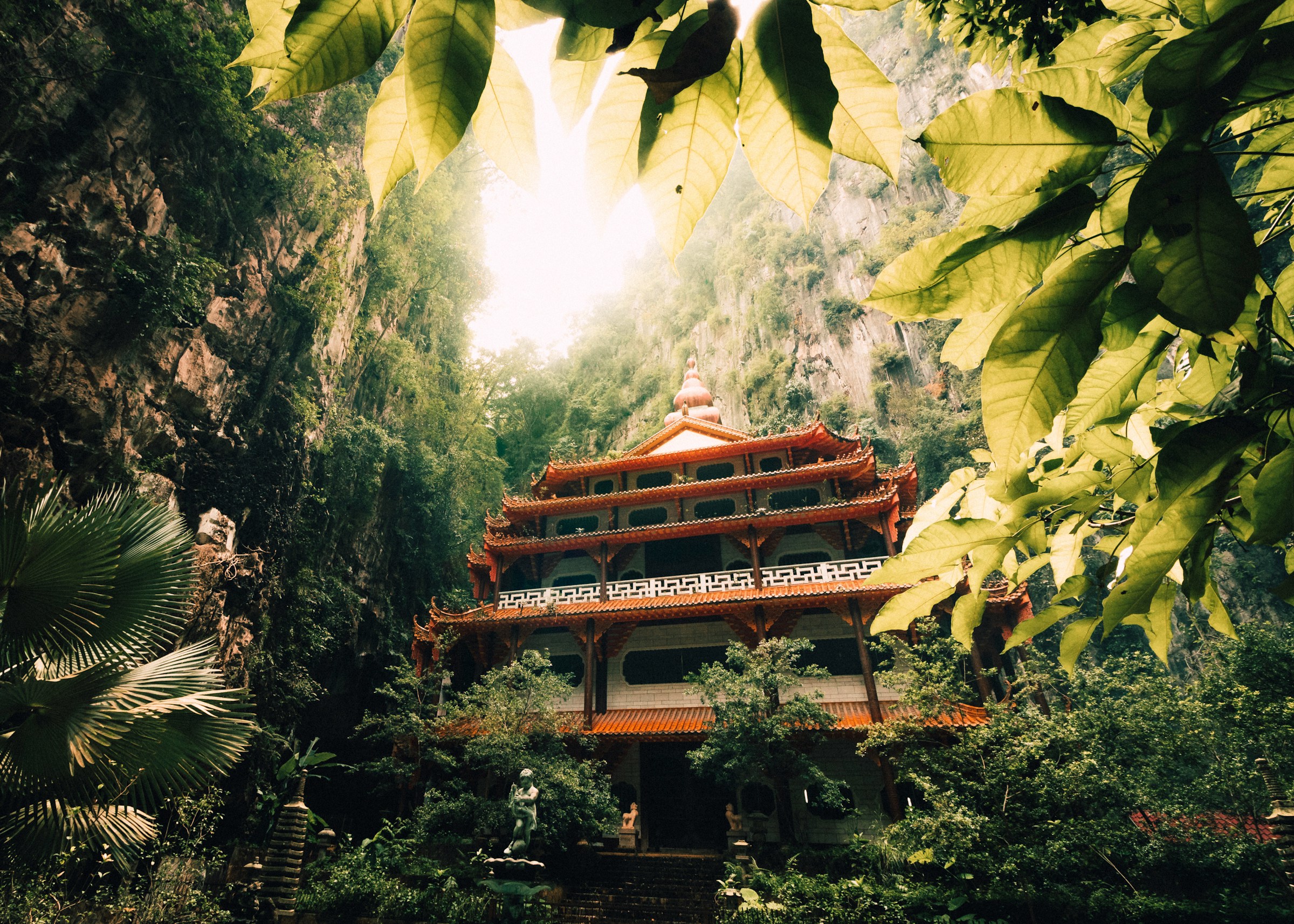
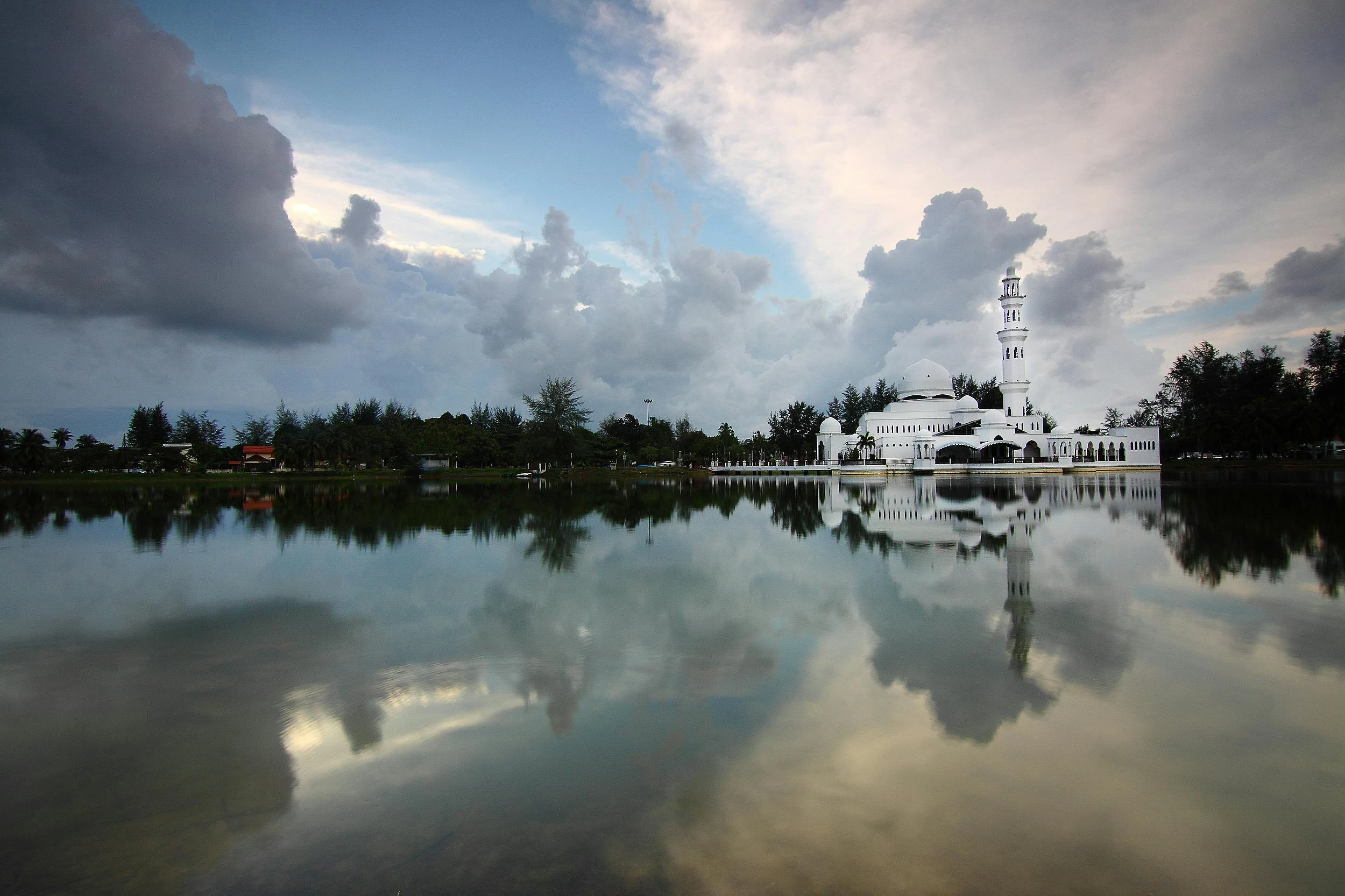
Planning a wildlife-focused holiday in Malaysia? This tropical haven is home to some of Southeast Asia's most impressive ecosystems, making it perfect for travellers eager to explore lush rainforests, vibrant coral reefs and thriving conservation areas. From rare primates to dramatic cave systems and rich Indigenous culture, Malaysia delivers unforgettable encounters with nature.
Below, we uncover six off-the-beaten-path wildlife excursions that showcase the country's incredible biodiversity, cultural traditions and adventure-ready landscapes.
Fun Trivia About Malaysia's Wild Side
- Malaysia is one of only 17 megadiverse countries on Earth, home to thousands of unique plant and animal species.
Mount Kinabalu has more plant species than all of Europe combined.
Borneo's rainforests are estimated to be 140 million years old, making them among the oldest on the planet.
- The Sepilok Orangutan Rehabilitation Centre was the world's first official orangutan rehabilitation facility.
- Deer Cave in Gunung Mulu is so large that it could fit several jumbo jets inside at once.
Similajau National Park
Located along the Sarawak coastline, Similajau National Park offers a rare blend of golden beaches, dense rainforest and winding rivers teeming with wildlife. Its remote beauty appeals to travellers seeking quieter experiences away from busier tourist hubs.
Similajau is known for its population of saltwater crocodiles, as well as more than 185 bird species, macaques, gibbons and wild boar. The park's coastal trails are well-marked and accessible, leading you past mangroves, suspension bridges and scenic lookout points. Wildlife enthusiasts drawn to Southeast Asian adventures might also consider Thailand's diverse ecosystems, which offer similar biodiversity across distinct landscapes.
Boat tours from Bintulu Wharf allow for coastal and river explorations, while night-time crocodile-spotting cruises offer a thrilling, memorable experience. Accommodation is available within the park for travellers who want to immerse themselves fully in this biodiverse haven.
Traveller Voice
"Waking up to birdsong and hiking towards an untouched coastline was the most peaceful part of my Malaysia trip." – R. Saunders, 2023
Kinabalu Park
A UNESCO World Heritage Site, Kinabalu Park is one of Malaysia's most celebrated natural attractions, boasting over 5,000 plant species and hundreds of mammals and birds. The highlight is Mount Kinabalu, rising 4,095 metres above sea level.
Visitors can explore nine nature trails featuring montane forests, orchids, ferns and rare pitcher plants. Wildlife watchers may encounter mountain tree shrews, civets, squirrels and impressive birdlife. For the adventurous, the two-day Mount Kinabalu climb includes an overnight stop at Panalaban before summiting at sunrise.
Those seeking a challenge can also explore Mountain TORQ, Asia's first Via Ferrata, where climbers traverse rock faces with cables and ladders for an exhilarating alpine experience.
Traveller Voice
"The sunrise over Mount Kinabalu was something I'll never forget. The climb was tough but worth every moment." – M. Lee, 2022
Kiulu Valley
Known as the "Valley in the Mist," Kiulu Valley in Sabah is a serene escape suited for soft adventure and cultural immersion.
Visitors can enjoy mountain biking across sweeping green meadows, white-water rafting along the Kiulu River or kayaking through gentle rapids. You can also explore mangrove-lined waterways on the Tembara River Cruise, where sunset views are spectacular and wildlife spotting is effortless. These tranquil waterways share similarities with New Caledonia's pristine lagoons, where nature remains largely untouched by development.
Cultural experiences include visiting the Linangkit Dusan Lotud village, where traditions, handicrafts and local cuisines are shared proudly. Overnight farm stays allow travellers to unwind in rural tranquillity after a day of outdoor activities.
Sepilok Orangutan Rehabilitation Centre
Established in 1964, the Sepilok Orangutan Rehabilitation Centre in Sabah remains one of the world's leading wildlife conservation facilities.
Dedicated to rescuing and rehabilitating orangutans affected by habitat loss, illegal wildlife trade and other threats, Sepilok provides education, enrichment and training before releasing these primates back into protected forests. The nearby Kabili-Sepilok Forest Reserve offers a rare chance to observe semi-wild orangutans in their natural habitat. Those passionate about wildlife conservation should also explore Canada's national parks, which showcase some of North America's most successful conservation stories.
The centre also rehabilitates other species, including sun bears and gibbons, giving visitors a deeper understanding of Malaysian conservation efforts.
Traveller Voice
"Watching orangutans swing freely through the trees at Sepilok was incredibly moving. It felt like witnessing hope in action." – L. Nguyen, 2024
Gunung Mulu National Park
A UNESCO World Heritage Site, Gunung Mulu National Park is home to some of the world's most extraordinary limestone cave systems. Its geological formations, jagged pinnacles and vast caverns make it a haven for adventurous travellers.
The famed Deer Cave houses millions of bats that take flight in massive formations each evening. Nearby, the Sarawak Chamber is one of the largest enclosed spaces ever discovered underground. Clearwater Cave and Wind Cave can be explored by boat, offering views of stalactites, stalagmites and underground rivers.
Above ground, the park is home to diverse wildlife including hornbills, lizards, frogs and various primates.
Kinabatangan Wildlife Sanctuary
Accessible only by boat, the Kinabatangan Wildlife Sanctuary offers one of Malaysia's best opportunities to observe wildlife in their natural habitats.
As you journey along the Kinabatangan River, keep an eye out for proboscis monkeys, hornbills, wild orangutans and Bornean pygmy elephants. Multi-day stays in jungle lodges allow for dawn and dusk excursions, when wildlife activity peaks. The river's serene atmosphere and abundant wildlife mirror the experience found along Thailand's historical waterways, where ancient temples frame similar natural corridors.
Guided rainforest walks provide deeper insights into the region's biodiversity, making this a perfect destination for nature lovers, photographers and conservation-focused travellers.
Expert Travel Tips
- Visit Malaysia between March and October for clearer weather and better wildlife visibility.
- Dress modestly, especially in rural and cultural areas. Shoulders and knees should be covered when visiting villages.
- Bring lightweight long-sleeved clothing for protection against insects during jungle excursions.
- To enter Malaysia, Australian travellers must ensure passport validity of at least six months. Visa-free stays of up to 90 days apply for tourism (source: Australian Government Smart Traveller).
- Respect wildlife and maintain safe distances. Avoid feeding animals in national parks and sanctuaries.
References
Picture yourself drifting down misty rivers at dawn, watching orangutans swing through ancient canopies, and exploring caves that have remained unchanged for millions of years. Our Malaysia holiday packages bring together every element of your perfect wildlife adventure.