The Best of Thailand: Beaches, Temples and Street Food
Posted by on 24 Oct 2025
Few destinations capture the imagination quite like Thailand. From glittering Buddhist temples and golden stupas to sugar-soft beaches and sizzling street food, it’s a country that invites every traveller to slow down and savour the moment.
Whether you’re seeking the cultural heartbeat of Bangkok, the mountain calm of Chiang Mai, or the turquoise waters of Phuket, Thailand offers an experience for every mood and traveller. Rich traditions, tropical beauty and warm hospitality are woven into daily life here. Every corner reveals something unforgettable.
Fun Trivia About Thailand
Bangkok’s Grand Palace was once the royal residence of the Chakri Kings, and it houses the Emerald Buddha, a revered statue carved from a single block of jade.
The northern city of Chiang Mai was founded in 1296 and still celebrates its ancient Lanna heritage through traditional crafts, temples and festivals.
Thailand is home to more than 1,400 islands, with Phuket and Krabi among the most famous for their towering limestone cliffs and crystal-clear waters.
The country’s beloved street food culture dates back to the late 19th century, when Chinese immigrants popularised mobile noodle stalls — today, it’s recognised by UNESCO as part of Thailand’s cultural heritage.
During Songkran, Thailand’s New Year festival in April, locals celebrate by splashing water on each other as a symbol of renewal and good fortune.
Bangkok: Temples, Markets and the Rhythm of the Capital
Thailand’s capital, Bangkok, is where spirituality and energy collide. Monks in saffron robes walk past gleaming skyscrapers, while the scent of incense mingles with sizzling garlic from nearby street stalls.
A visit to the Grand Palace is essential. This 18th-century complex once housed Thai royalty and remains the country’s spiritual heart. Within its ornate walls sits Wat Phra Kaew (Temple of the Emerald Buddha) — the most sacred Buddhist temple in Thailand.
Nearby, explore Wat Pho, home to the colossal Reclining Buddha, or Wat Arun, whose porcelain-clad spire catches the sunrise across the Chao Phraya River.
Outside the temples, Bangkok hums with local life. Cruise the river on a long-tail boat, wander Chinatown’s gold shops and dim sum stalls, or visit Chatuchak Weekend Market, where more than 8,000 stalls sell everything from handwoven silks to coconut ice cream.
“We joined a guided walking tour through Bangkok’s hidden laneways. Temples appeared behind every corner, and lunch from a street cart was one of the best meals of the trip.” — James L., 2023
Chiang Mai: Temples in the Mist and Cultural Heartlands
Fly north and you’ll find a completely different rhythm. Chiang Mai, known as the “Rose of the North,” is a blend of tranquil spirituality and artistic flair. Once the capital of the Lanna Kingdom, its old city is surrounded by ancient walls and moats.
Here, Wat Phra Singh and Wat Chedi Luang stand as centuries-old testaments to craftsmanship and faith. For panoramic views, journey up the mountain to Wat Phra That Doi Suthep, where golden pagodas glimmer against emerald hills.
Beyond its temples, Chiang Mai is a haven for creativity. Visit traditional umbrella-making villages in Bo Sang, explore night bazaars bursting with local art, and taste the northern specialty khao soi, a coconut curry noodle soup beloved across Thailand.
Adventure seekers can head to the surrounding highlands to trek with ethical elephant sanctuaries or visit hill tribe communities.
“Chiang Mai felt like the soul of Thailand — peaceful, cultural and deeply connected to the mountains.” — Emily K., 2022
Phuket and the Andaman Coast: Where Island Dreams Begin
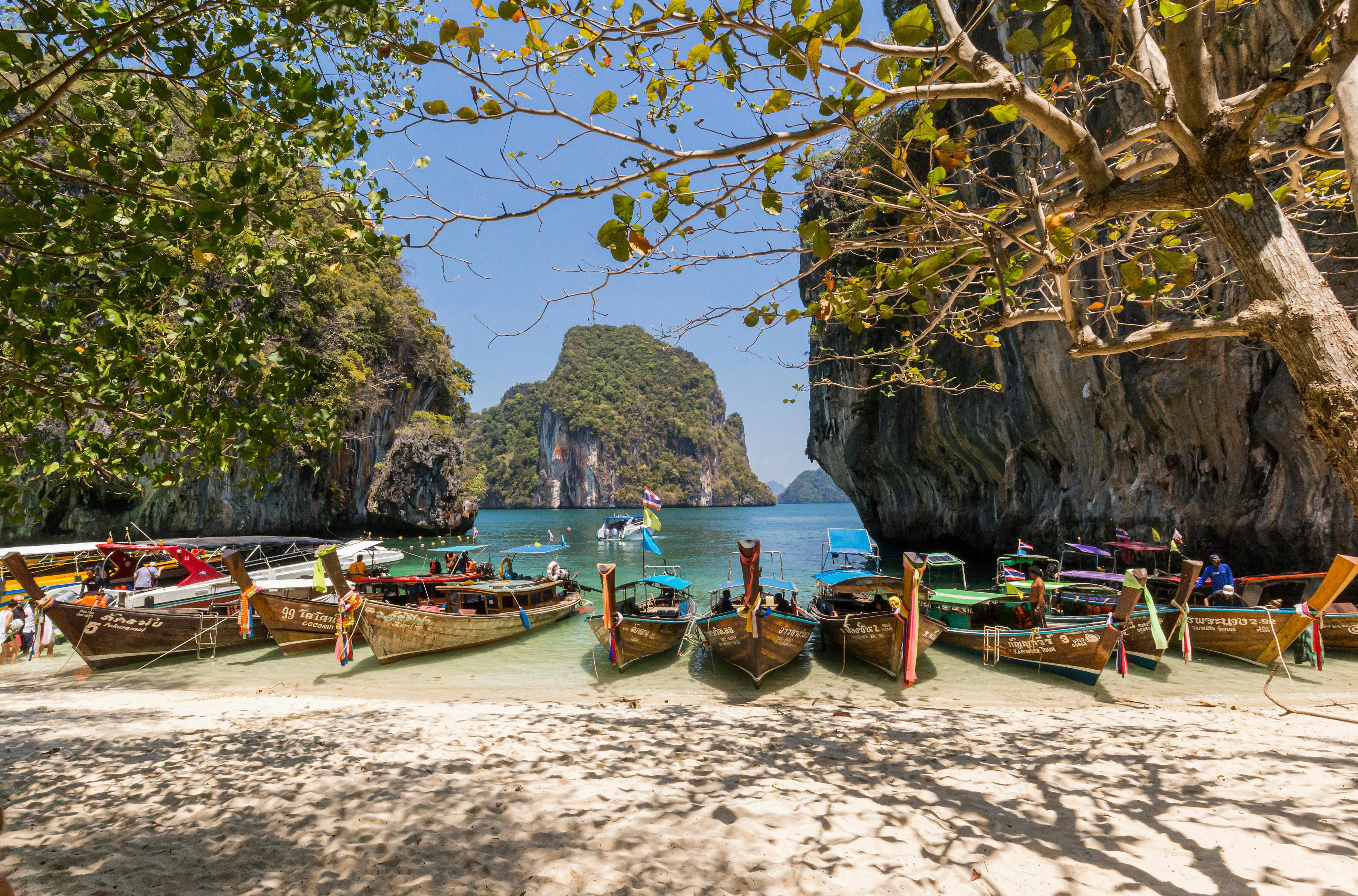
Thailand’s southern coastline is synonymous with paradise. Phuket, the largest island, is surrounded by jade waters, swaying palms and limestone cliffs that seem to defy gravity.
Spend your days exploring Phang Nga Bay, where karst formations rise dramatically from emerald seas, or take a long-tail boat to the powdery beaches of the Similan Islands. For something quieter, visit Kata Noi or Nai Harn, smaller beaches with relaxed local cafés.
History lovers will enjoy Old Phuket Town, filled with Sino-Portuguese architecture and colourful shophouses, while food lovers can indulge in authentic southern Thai cuisine, rich with turmeric, lime and chilli.
Not far away, Krabi offers more natural beauty: towering cliffs at Railay Beach, mangrove forests and nearby island escapes like Koh Phi Phi.
“We thought Phuket would be all resorts, but discovering the old town and taking a boat into Phang Nga Bay was unforgettable.” — Marcus P., 2023
Flavours of Thailand: Street Food and Market Culture
To understand Thailand, follow the food. Every region tells its story through flavour — sweet, sour, salty and spicy in perfect balance.
In Bangkok, locals line up for grilled pork skewers, steaming noodle soups and mango sticky rice. Northern Chiang Mai tempts visitors with herbal sausages and crisp fried noodles, while the south offers seafood curries with coconut and lemongrass.
Visit night markets like Chiang Mai’s Sunday Walking Street or Phuket’s Chillva Market, where sizzling woks and colourful lanterns fill the air with life. Food stalls are clean, affordable and brimming with local pride.
“Eating with the locals at a street stall in Chiang Mai was the highlight of my trip. The chef cooked everything over charcoal, and every dish tasted like home.” — Laura D., 2022
Thailand’s Festivals and Cultural Spirit
Thailand’s calendar bursts with colour and joy. Each festival offers a glimpse into the nation’s soul, where community and spirituality intertwine.
Songkran (April): The Thai New Year and world-famous water festival, where streets become a playground of splashing and celebration.
Loy Krathong (November): Lanterns and lotus-shaped offerings float down rivers, symbolising renewal and gratitude.
Yi Peng: Celebrated mainly in Chiang Mai, thousands of paper lanterns illuminate the night sky, an unmissable spectacle.
Participating respectfully in these festivals allows travellers to connect deeply with Thai culture.
Expert Travel Tips
Best travel season: November to February offers cooler temperatures and dry weather, ideal for sightseeing and beaches.
Dress code: Modest attire is required in temples; cover shoulders and knees. Always remove shoes before entering.
Getting around: Domestic flights link Bangkok, Chiang Mai and Phuket easily. Tuk-tuks, songthaews and trains add local charm.
Currency: The Thai Baht (THB) is widely used; ATMs and card facilities are common in cities.
Cultural etiquette: Smile often, speak softly, and show respect to monks and elders.
Beyond the Icons: Off-the-Beaten-Path Thailand
If you’ve seen the major sights, Thailand rewards those who wander further.
Head east to Isaan, Thailand’s agricultural heartland, where Khmer ruins at Phanom Rung rival Angkor in beauty. Visit Sukhothai Historical Park, the cradle of Thai civilisation, where ancient Buddha statues rise from lotus-filled ponds.
In the south, escape to smaller islands like Koh Lipe or Koh Yao Noi, where fishing communities and coral reefs remain untouched. Each region reveals a quieter, authentic side of Thai life.
Thailand: A Journey of Connection and Contrast
Travelling through Thailand is more than a series of beautiful sights; it’s a lesson in balance. In one day, you can meditate beside saffron-robed monks at dawn, shop for silks in bustling Bangkok markets by noon and dine barefoot on a quiet island beach as the sun sets over the Andaman Sea.
What makes Thailand remarkable is how these contrasts coexist so harmoniously. Modern cities pulse with innovation, yet centuries-old traditions remain deeply rooted in daily life. Respect for nature, spirituality and community runs through everything, from the rhythm of Buddhist chants to the careful preparation of a bowl of curry.
For travellers, this blend of cultural depth, natural beauty and human warmth offers something enduring, a sense of connection that stays long after you’ve left its shores.
Frequently Asked Questions
What is the best time to visit Thailand?
November to February is ideal for most regions. Expect cooler, drier weather, perfect for sightseeing and relaxing on the beach.
What currency does Thailand use?
The Thai Baht (THB). Cash is useful for markets, though credit cards are widely accepted.
Is street food safe to eat?
Yes, if it’s cooked fresh and served hot. Follow local crowds — they know the best vendors.
How should I dress when visiting temples?
Dress modestly, covering shoulders and knees. Carry a scarf or sarong for convenience.
Can I drink tap water in Thailand?
It’s best to stick with bottled or filtered water, readily available everywhere.
Are there direct flights from Australia to Thailand?
Yes. Major airlines fly directly to Bangkok and Phuket from Sydney, Melbourne and Brisbane.
What’s the local tipping etiquette?
Tipping isn’t mandatory but appreciated — round up small bills or leave 10% in restaurants.
What languages are spoken?
Thai is the national language, but English is widely spoken in tourist areas.
Is Thailand suitable for families?
Absolutely. Thailand’s beaches, cultural attractions and warm hospitality make it ideal for all ages.
References
Discover Thailand with Entire Travel Group
From the tranquil peaks of Chiang Mai to the golden sands of Phuket, Thailand is a mosaic of culture, flavour and beauty. Every sunrise over a temple and every night market feast tells a new story of discovery.
With Entire Travel Group, your journey through Thailand will be seamless, authentic and unforgettable. Let us help you uncover the best of this enchanting country, where adventure, culture and relaxation meet.


