Understanding the Canadian Arctic
The Canadian Arctic is a vast network of islands stretching across the far north of Canada. Its environment is dramatic, shaped by glaciers, towering fjords, permafrost valleys and icy waterways. Despite the harsh conditions, the region is rich with life, from polar bears and muskoxen to whales, seabirds and unique flora.
Culturally, the Arctic is equally remarkable. Indigenous communities, particularly the Inuit, have called this region home for thousands of years. Their traditions, knowledge and artistic expression remain an integral part of the experience for travellers.
Exploring this part of the world requires planning, but the payoff is a holiday filled with genuinely extraordinary encounters.
The Northwest Passage: The Heart of Most Canadian Arctic Tours
When travellers consider Canadian Arctic cruises, the Northwest Passage often stands out as the quintessential route. This historic channel links the Atlantic and Pacific Oceans and winds through some of the most remote islands in the Arctic. For centuries, explorers attempted to navigate this icy corridor, and today, modern expedition ships let travellers experience sections of this legendary waterway in comfort and safety.
Cruise paths vary depending on weather and ice conditions, but most itineraries reveal dramatic landscapes, wildlife-rich shores and opportunities to visit remote communities. Whether your journey begins in Greenland or Canada’s northern territories, the Northwest Passage typically takes you past remarkable locations such as:
Baffin Island
The largest island in Canada and one of the most striking destinations in the Arctic. Baffin Island is known for towering cliffs, deep fjords and Inuit communities that offer cultural insight. Travellers often encounter narwhals, beluga whales and migrating seabirds along its coast.
Devon Island
Recognised as the world’s largest uninhabited island, Devon Island presents a stark yet beautiful polar desert environment. Its rugged terrain, ancient rock formations and glacial valleys make it a favourite for photographers and nature enthusiasts.
Prince Leopold Island
One of the Arctic’s most important bird sanctuaries. The sheer cliffs of Prince Leopold Island host thousands of nesting seabirds each summer. Travellers often enjoy Zodiac excursions here to observe thick-billed murres, kittiwakes and northern fulmars.
Victoria Island
A vast island known for tundra plains, historical sites from early expeditions and thriving wildlife. In some areas, travellers may spot muskoxen grazing against a backdrop of rolling Arctic hills.
Banks Island
Banks Island is home to one of the world’s largest populations of muskoxen, as well as unique wetland ecosystems. Its sweeping landscapes reveal wide-open skies and remote wilderness seldom seen by most travellers.
Beaufort Sea
An isolated stretch of Arctic water known for drifting sea ice and occasional whale sightings. The Beaufort Sea forms part of the northern boundary of Canada and offers a quiet sense of remoteness during any voyage.
Alaskan Arctic Regions
As the passage curves westward, some itineraries include parts of the Alaskan Arctic. Travellers may experience small coastal settlements, expansive tundra and dramatic sea ice patterns that shift with the season.
1. Spotting Polar Bears and Arctic Wildlife
The Canadian Arctic is one of the world’s most spectacular wildlife destinations. Travellers often come specifically to see polar bears, and this region is considered one of the best places on Earth to encounter them. Areas like Churchill, Manitoba, are especially famous for their bear populations, earning the nickname the Polar Bear Capital of the World. During certain months, the sea ice forms earlier here, drawing bears closer to the coastline and increasing the likelihood of sightings.
Alongside polar bears, the Arctic is home to a remarkable range of wildlife, including Arctic foxes, caribou, muskoxen, beluga whales, narwhals, seals and an impressive variety of seabirds. These species thrive in the tundra’s unique ecosystems, and spotting them in their natural habitat is often a highlight for travellers.
Visiting responsibly is essential. The Government of Canada provides strict guidelines for wildlife encounters to ensure both travellers and animals remain safe, helping to preserve the fragile Arctic environment for future generations.
2. Witnessing the Northern Lights
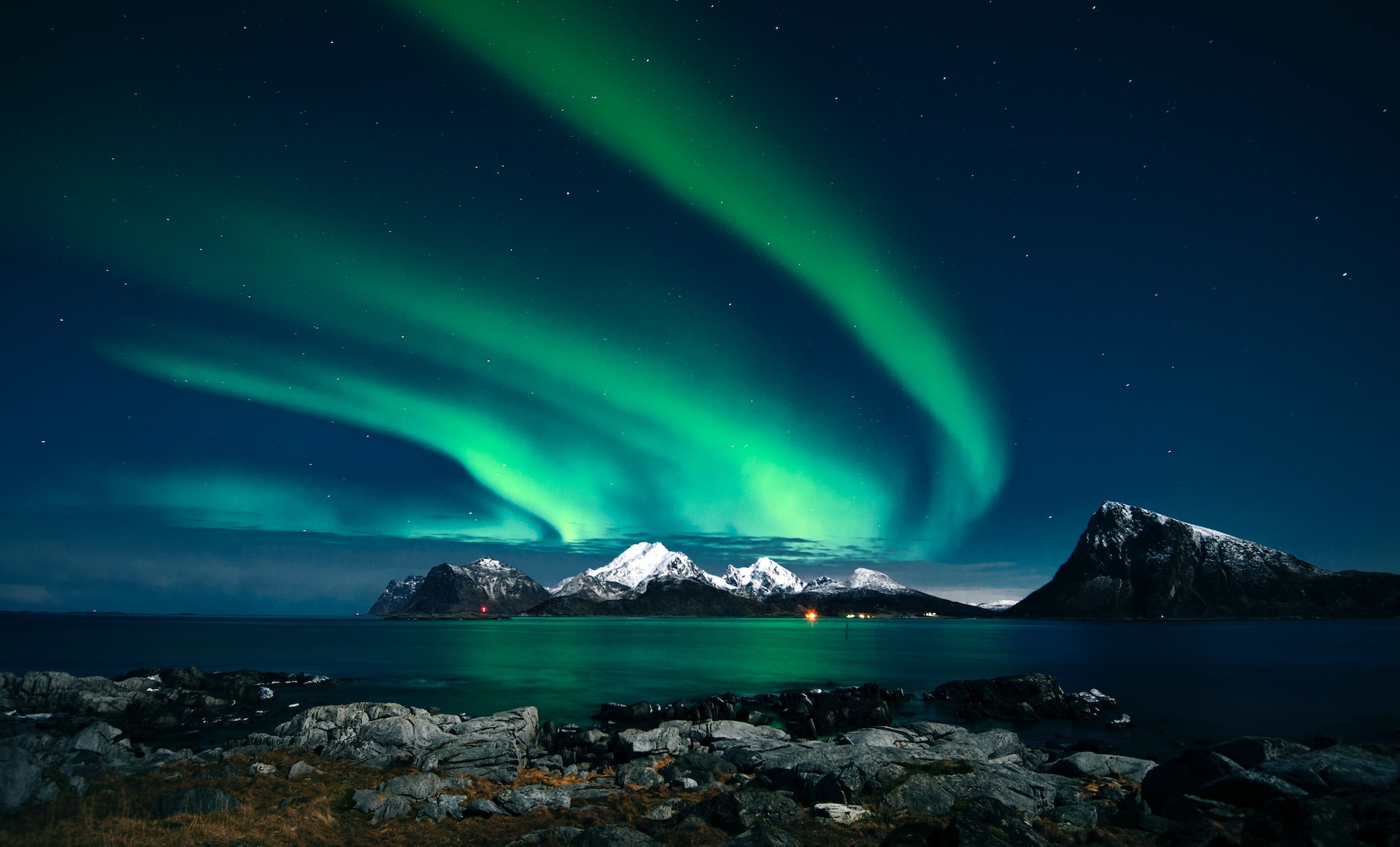
A major highlight of Canadian Arctic holidays is the chance to witness the Northern Lights in their full brilliance. With minimal light pollution and vast, open skies, the region offers some of the clearest and most consistent viewing conditions in the world. On the right night, Aurora Borealis can paint the sky in shades of green, purple or red, shifting in graceful waves or spiralling ribbons that feel almost surreal.
Some of the best places to see the Northern Lights include Yellowknife, Dawson City in Yukon, Churchill and several Baffin Island communities. These locations sit within or near the auroral oval, increasing the likelihood of strong displays throughout the year.
Many Canadian Arctic cruises include overnight stops in areas known for intense aurora activity, giving travellers multiple chances to see the lights. Guests often describe their first sighting as life-changing, with many calling it the most memorable moment of their northern journey.
3. Exploring Quttinirpaaq National Park
Remote, rugged and utterly surreal, Quttinirpaaq National Park on Ellesmere Island offers one of the purest expressions of Arctic wilderness. Managed by Parks Canada, this vast region reveals landscapes shaped by ice, wind and time, creating an environment that feels almost untouched by the modern world. Travellers who journey this far north are rewarded with a rare glimpse into a truly isolated environment.
The park features massive glaciers, deep fjords, stark polar deserts, dramatic mountain ranges, rare plant life and historic sites connected to early polar exploration. Each area showcases a different side of the High Arctic, from silent valleys carved by ancient ice to fossil-strewn ridges that tell stories millions of years old.
As one of the least visited national parks on Earth, Quttinirpaaq demands both preparation and respect, yet it delivers an unforgettable sense of remoteness. For adventure travellers seeking something far off the grid, it offers a once-in-a-lifetime experience that defines the spirit of Arctic exploration.
4. Visiting Pond Inlet on Baffin Island
Known as the Jewel of the North, Pond Inlet is one of the cultural and scenic highlights of any Canadian Arctic tour. This welcoming Inuit hamlet sits along the breathtaking Eclipse Sound, where floating icebergs drift past and sharp mountain peaks create a dramatic backdrop. It is a place where travellers can experience both everyday northern life and long-standing traditions that have shaped the region for generations.
Visitors can enjoy views of towering icebergs, learn about Inuit craft traditions, attend local performances or join community-guided experiences that offer genuine insight into life in the High Arctic. Small craft shops showcase intricate carvings and prints, while cultural centres often share stories of Inuit hunting practices, seasonal rhythms and the deep connection between the community and the surrounding land.
Whether you are admiring the snow-covered mountains across the sound or engaging with local artists and storytellers, Pond Inlet provides a memorable blend of culture, scenery and warm northern hospitality.
5. Kayaking Among Icebergs
Kayaking in the Arctic is an experience that stays with you forever. Guided tours allow travellers to paddle among floating icebergs in calm stretches of water. Seals sometimes surface nearby and seabirds swoop across the sky. It is peaceful, surreal and thrilling all at once.
Because the Arctic Ocean can be unpredictable, kayaking must be done with experienced guides who understand ice movement and weather changes. Summer is the best season, as the melt opens clearer pathways.
6. Cruise Excursions to Glacial Fjords and Ice Caps
Cruises often include visits to colossal glacial fjords, where ice cliffs rise hundreds of metres above turquoise water. You may cruise past glaciers such as the Barnes Ice Cap or view enormous ice sheets that stretch as far as the eye can see.
These landscapes reveal the ancient history and powerful natural forces that shaped the Arctic.
7. Cultural Encounters with Inuit Communities
Connecting with the people who have lived here for millennia is an essential part of the experience. Many tours include community visits, guided storytelling, open-air performances or demonstrations of traditional skills.
Travellers often describe these cultural exchanges as among the most meaningful parts of their journey.