Exploring Canada’s National Parks
Posted by on 12 Oct 2025
Canada's national park system represents one of the world's most diverse and well-preserved wilderness networks, encompassing 48 national parks and reserves across 13 provinces and territories. From the towering peaks of the Canadian Rockies to the dramatic fjords of Newfoundland, these protected areas showcase the country's remarkable natural heritage while providing unparalleled opportunities for outdoor recreation and wildlife observation.
Canada’s national parks attract over 25 million visitors annually, offering experiences ranging from gentle nature walks to challenging backcountry expeditions. The park system protects approximately 340,000 square kilometres of pristine landscape, representing every major ecosystem found across the country. Each park maintains unique characteristics shaped by geography, climate and indigenous cultural heritage, creating distinct destinations for Canada nature holidays.
Highlights
Explore signature parks like Banff and Jasper for turquoise lakes, glacier views and abundant wildlife.
Discover contrasting coast and geology at Gros Morne, from the Tablelands mantle rock to Western Brook Pond fjord.
Venture into true wilderness at Nahanni National Park Reserve, featuring river canyons and Virginia Falls.
Plan by season for the best mix of hiking, wildlife viewing and winter sports with fewer crowds in shoulder months.
Save on entry with a Parks Canada Discovery Pass, and book popular stays 6–12 months ahead in peak periods.
Rocky Mountain Majesty: Banff and Jasper National Parks
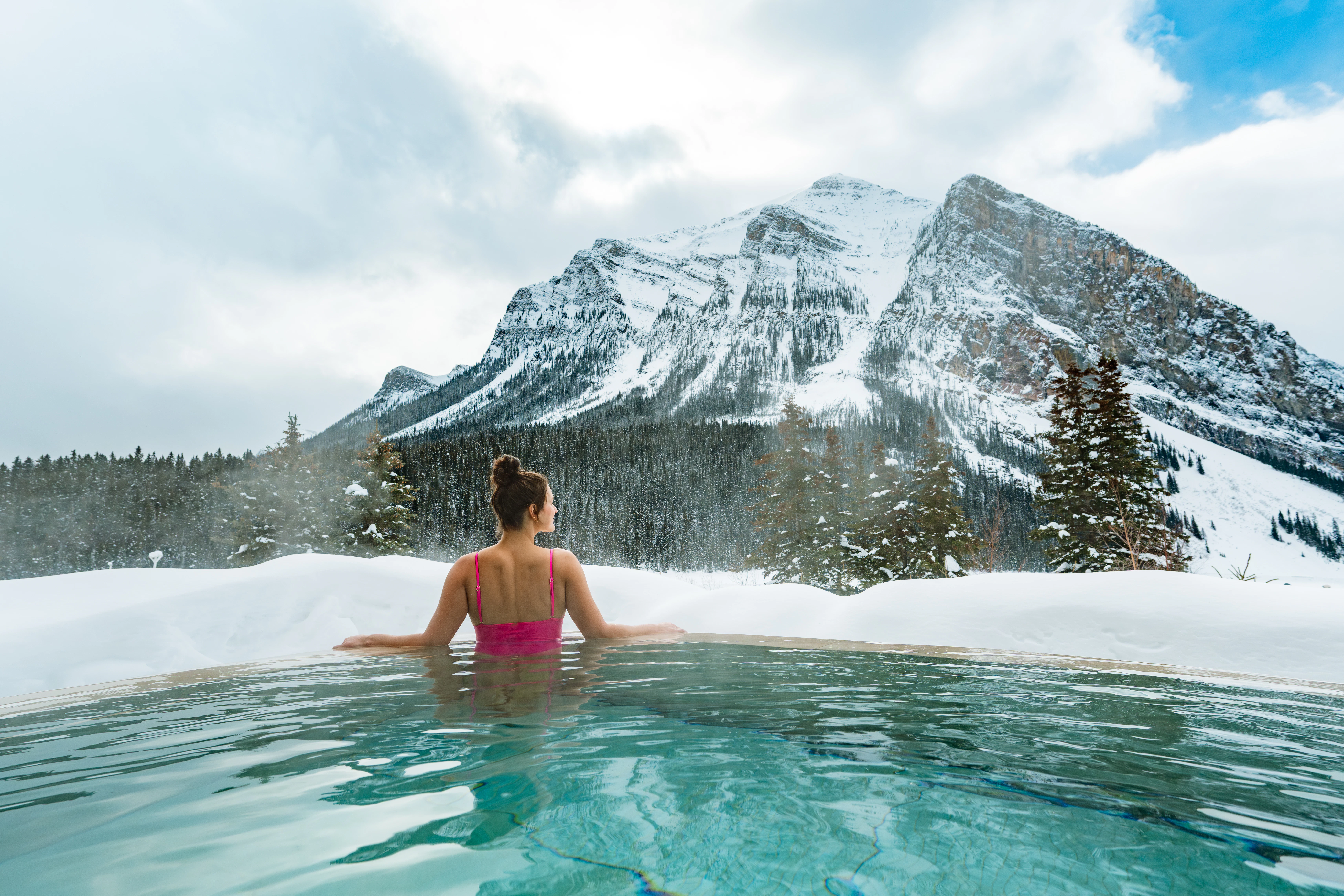
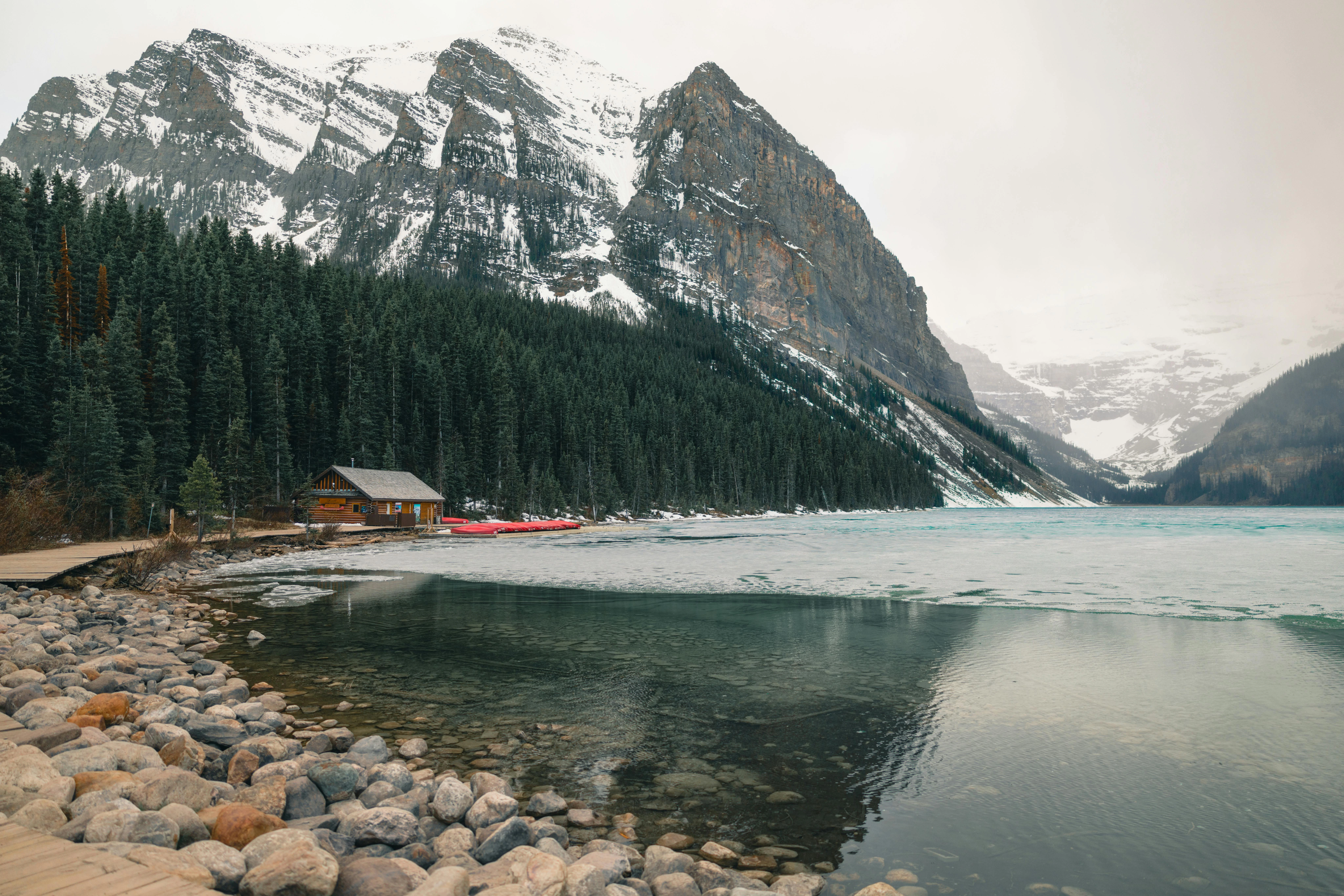
Banff National Park, established in 1885 as Canada's first national park, remains the crown jewel of the Canadian park system. Located in Alberta's Rocky Mountains, this UNESCO World Heritage site encompasses 6,641 square kilometres of alpine terrain, glacial lakes and diverse wildlife habitats. The park's most recognisable features include Lake Louise with its turquoise waters and Victoria Glacier backdrop, plus the town of Banff nestled in the Bow Valley.
Year-Round Activities and Seasonal Highlights
Summer months from June to September offer optimal conditions for hiking, with over 1,600 kilometres of established trails ranging from easy lakeside strolls to challenging multi-day backcountry routes. The Plain of Six Glaciers trail provides stunning glacier views, whilst the Johnston Canyon walk features accessible boardwalks leading to spectacular waterfalls. Mountain biking, canoeing and fishing complement hiking opportunities during warmer months.
Winter transforms Banff into a world-class skiing destination, with three major ski resorts operating within park boundaries. Lake Louise Ski Resort offers terrain suitable for all skill levels, whilst Sunshine Village provides extended seasons due to high elevation snowfall. Cross-country skiing, snowshoeing and ice climbing attract winter sports enthusiasts from around the globe.
Jasper National Park covers 11,228 square kilometres, making it the largest park in the Canadian Rockies. Located north of Banff, Jasper offers a more wilderness-focused experience with fewer crowds and extensive backcountry opportunities. The park's highlights include Maligne Lake, the largest natural lake in the Canadian Rockies and the Columbia Icefield, where visitors can walk on ancient glacier ice.
Expert Travel Tip: Book accommodations in Banff and Jasper towns 6-12 months ahead for summer visits, as availability becomes extremely limited. Consider staying in nearby Calgary or Edmonton and making day trips if park accommodation is unavailable.
Wildlife and Conservation Programs
Both parks support thriving populations of large mammals including grizzly bears, black bears, elk, moose, mountain goats and bighorn sheep. The Bow Valley Parkway in Banff offers excellent wildlife viewing opportunities, particularly during early morning and evening hours. Jasper's Maligne Valley frequently provides sightings of caribou, whilst the Athabasca River corridor attracts diverse bird species.
Conservation efforts focus on maintaining wildlife corridors and minimising human-wildlife conflicts. Both parks implement seasonal area closures to protect critical habitats during breeding and denning periods. Visitors must store food properly and maintain safe distances from wildlife, with fines up to $25,000 for violations.
Park Feature | Banff National Park | Jasper National Park |
Size | 6,641 km² | 11,228 km² |
Annual Visitors | 4.1 million | 2.5 million |
Hiking Trails | 1,600+ km | 1,200+ km |
Campgrounds | 13 locations | 10 locations |
Peak Season | June-September | June-September |
Atlantic Maritime Heritage: Gros Morne National Park
Gros Morne National Park in Newfoundland represents a completely different ecosystem and geological story from the Rocky Mountain parks. This UNESCO World Heritage site protects 1,805 square kilometres of the Long Range Mountains and coastal lowlands, showcasing some of Earth's most ancient geological formations.
Unique Geological Features and Hiking Opportunities
The park's most distinctive feature is the exposed mantle rock of the Tablelands, where ancient ocean floor has been thrust above sea level, creating an otherworldly landscape virtually devoid of vegetation. This geological phenomenon provides scientists with rare access to rocks normally found deep beneath the Earth's surface.
Western Brook Pond, despite its name, is actually a landlocked fjord carved by glacial action and surrounded by 600-metre cliffs. Boat tours operate from June to October, providing access to this spectacular gorge that extends 16 kilometres inland from the coast. The two-kilometre walk to the boat departure point crosses a typical Newfoundland bog landscape dotted with carnivorous plants and wild berries.
Gros Morne Mountain, the park's highest peak at 806 metres, offers challenging day hikes with panoramic views across the island's interior. The trail gains significant elevation through diverse ecosystems, from boreal forest at the base to arctic-alpine conditions near the summit. Weather conditions can change rapidly, requiring proper preparation and layered clothing even during summer months.
Cultural Heritage and Local Communities
The park encompasses several small communities where residents maintain traditional lifestyles centred on fishing, forestry and tourism. The Discovery Centre in Woody Point provides excellent interpretation of the area's geological significance and cultural history. Local guides offer insights into traditional Newfoundland culture, including music, cuisine and storytelling traditions.
Expert Travel Tip: Newfoundland weather changes quickly, even in summer. Pack waterproof clothing and warm layers regardless of season, and check marine weather forecasts before planning boat tours or coastal hikes.
Northern Wilderness: Nahanni National Park Reserve
Nahanni National Park Reserve in the Northwest Territories represents Canada's ultimate wilderness experience, accessible only by chartered aircraft or multi-day river expeditions. The park protects the entire 540-kilometre South Nahanni River watershed, including Virginia Falls, which plunges 96 metres, nearly twice the height of Niagara Falls.
Adventure Tourism and River Expeditions
The South Nahanni River ranks among the world's premier wilderness river experiences, featuring Class II-IV rapids, hot springs and dramatic canyon scenery. Guided canoe and raft expeditions typically require 7-14 days and cost between $3,000 and 6,000 per person, including charter flights from Fort Simpson or Watson Lake.
Virginia Falls serves as the centrepiece of most river trips, where the entire river splits around a massive rock pillar before plunging into a misty gorge. The surrounding area provides excellent hiking opportunities and wildlife viewing, with opportunities to spot woodland caribou, Dall sheep and potentially wolves or bears.
Four distinct canyons carved by the river create diverse geological landscapes, from limestone formations to ancient sedimentary layers. Hot springs along the river route provide opportunities for natural bathing, with water temperatures reaching 37°C even during winter months.
Conservation and Indigenous Heritage
The Nahanni region holds deep significance for the Dehcho First Nations, who have used these lands for traditional hunting, fishing and spiritual practices for thousands of years. Park management incorporates indigenous knowledge and maintains access for traditional activities whilst protecting sensitive ecosystems.
Recent park expansion in 2009 increased protection to 30,000 square kilometres, encompassing complete watersheds and migration corridors essential for wildlife conservation. The expanded boundaries protect critical habitat for woodland caribou, whose populations face pressure from industrial development in surrounding areas.
Visitors planning wildlife viewing opportunities across Canada will find Nahanni particularly rewarding for those seeking authentic wilderness experiences away from crowded tourist areas.
Planning Your Canadian National Parks Adventure
Entry Fees and Passes
National park entry fees vary by location and season, with daily passes ranging from $7.80-19.60 for adults. The annual Discovery Pass costs $69.19 and provides unlimited access to all national parks, national historic sites and national marine conservation areas for 12 months from purchase date. Family and group passes offer additional savings for multiple visitors.
Many parks charge separate fees for camping, with frontcountry sites ranging from $15-40 per night depending on services provided. Backcountry camping requires permits costing $9.80 per person per night, with additional reservation fees for popular trails and areas.
Accommodation Options and Booking Strategies
Accommodation within national parks ranges from basic camping to luxury mountain lodges. Banff National Park offers the widest selection, including iconic properties like the Fairmont Banff Springs Hotel and Chateau Lake Louise, alongside numerous mid-range hotels and hostels in Banff townsite.
Jasper townsite provides more limited but generally less expensive accommodation options, with several family-run lodges and the historic Fairmont Jasper Park Lodge on Lac Beauvert. Camping remains the most popular and economical option, with reservations opening in January for the following summer season.
For those interested in combining national park visits with scenic rail journeys, consider exploring breathtaking Canadian landscapes via Rocky Mountaineer train holidays that connect multiple park destinations.
Best Times to Visit Different Regions
Peak season for most of Canada’s national parks runs from July to August, when weather conditions are most favourable but crowds and prices reach annual highs. Shoulder seasons in May-June and September often provide excellent weather with fewer visitors and reduced accommodation costs.
Winter visits offer unique experiences but require careful planning and appropriate gear. The Canadian Rockies provide world-class winter sports opportunities, whilst maritime parks like Gros Morne experience harsh conditions that limit access to many areas.
For northern parks like Nahanni, the season is compressed into June-September due to extreme winter conditions. River conditions and wildlife activity patterns influence optimal timing for specific activities and regions.
Season | Best Parks | Activities | Considerations |
Summer (Jul-Aug) | All parks | Hiking, camping, wildlife viewing | Peak crowds, highest prices |
Spring (May-Jun) | Banff, Jasper, Gros Morne | Wildflowers, fewer crowds | Variable weather, some trail closures |
Fall (Sep-Oct) | Rocky Mountain parks | Autumn colours, elk bugling | Cooler temperatures, shorter days |
Winter (Dec-Mar) | Banff, Jasper | Skiing, snowshoeing, northern lights | Limited access, cold conditions |
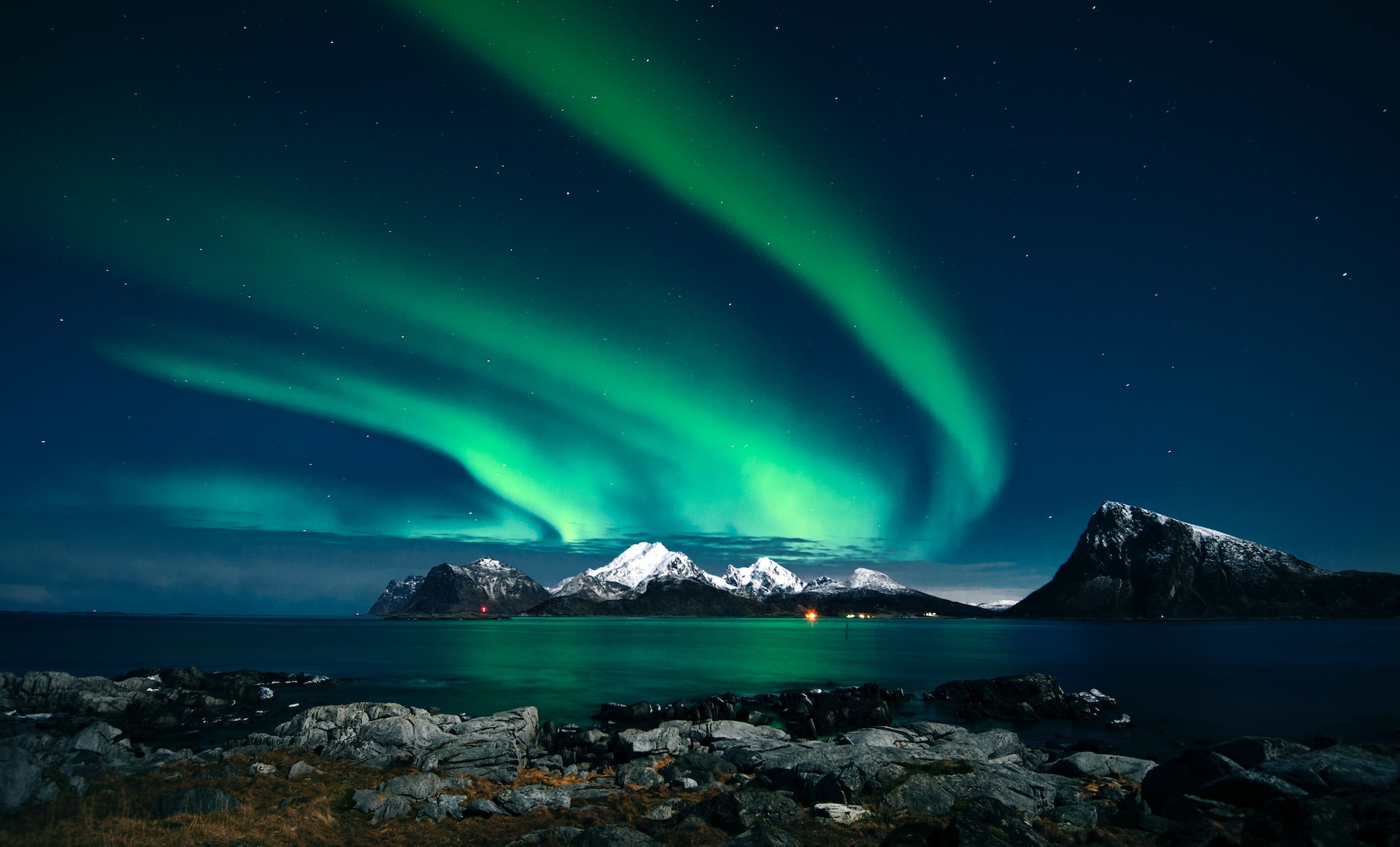
Those planning to witness the aurora borealis should explore Canada's best northern lights viewing locations in conjunction with national park visits.
Conservation Efforts and Sustainable Tourism
Canada's national parks system operates under a dual mandate to protect natural heritage whilst providing opportunities for public education and enjoyment. This balance requires ongoing management strategies that address increasing visitation pressures whilst maintaining ecological integrity.
Wildlife Management and Habitat Protection
Large carnivore management represents one of the most complex challenges facing park administrators. Both Banff and Jasper implement seasonal area closures to protect critical bear habitats and reduce human-wildlife conflicts. Trail closures and group size restrictions help minimise disturbance during sensitive periods such as berry season and pre-denning activities.
Elk management in Banff townsite demonstrates successful adaptation to changing wildlife behaviour. Historical feeding and habituation problems required intervention strategies including hazing, relocation and in some cases removal of problem animals. Current management focuses on maintaining natural behaviours through habitat enhancement and visitor education.
Mountain caribou populations in British Columbia and Alberta national parks face particular conservation challenges due to habitat fragmentation and predation pressure. Recovery efforts include predator control, habitat restoration and careful monitoring of remaining herds.
Visitor Impact Management
Popular destinations within parks implement various strategies to manage visitor impacts whilst maintaining access. Lake Louise uses a reservation system during peak summer months to control parking and pedestrian traffic around the lake shore. Similar systems are being evaluated for other high-traffic areas as visitation continues to increase.
Trail maintenance relies heavily on volunteer programs and partnerships with outdoor recreation organisations. The Friends of Jasper National Park and similar groups throughout the system contribute thousands of volunteer hours annually to trail building, habitat restoration and visitor education programs.
Expert Travel Tip: Support park conservation by following Leave No Trace principles, staying on designated trails, and participating in interpretive programs that contribute to research and monitoring efforts.
Frequently Asked Questions
Do I need permits for hiking in Canadian national parks?
Most day hiking trails require only park entry passes, but backcountry camping and some remote trails need advance permits costing $9.80 per person per night. Popular routes like the Skyline Trail in Jasper or Berg Lake in Mount Robson require reservations months ahead. Parks Canada's website provides detailed permit requirements and online booking systems for each location.
What's the best time to visit Canada national parks for wildlife viewing?
Early morning and evening hours from May through September offer optimal wildlife viewing opportunities across most parks. Banff and Jasper provide excellent chances to see elk, bears and mountain goats during these periods. Gros Morne's coastal areas are best for seabirds and marine mammals from June to August, whilst Nahanni offers caribou viewing during summer months.
Can I travel between multiple national parks using public transportation?
Limited public transport serves most national parks, making rental cars or organised tours the most practical options. The Rocky Mountaineer connects Calgary and Vancouver via Banff and Jasper, providing scenic rail access to mountain parks.
What should I pack for visiting different Canadian national park regions?
Rocky Mountain parks require layered clothing, waterproof gear and sun protection regardless of season, with winter visits needing extreme cold weather equipment. Atlantic maritime parks like Gros Morne demand waterproof clothing year-round due to frequent precipitation and coastal winds. Northern parks require comprehensive wilderness gear including bear safety equipment and emergency communication devices.
Are Canadian national parks suitable for families with young children?
Many parks offer family-friendly trails and facilities, with Banff providing paved lakefront walks and visitor centres with interactive exhibits. Jasper's Maligne Canyon and Patricia Lake offer easy access trails suitable for children, whilst Gros Morne's coastal areas provide tide pool exploration opportunities.
How far in advance should I book accommodation in popular national parks?
Banff and Jasper accommodation requires booking 6-12 months ahead for summer visits, with some properties accepting reservations up to 18 months in advance. Camping reservations open in January for the following season and fill quickly for popular locations.
Expert Travel Tips
1. Purchase the annual Discovery Pass if visiting multiple parks or staying longer than four days, as it pays for itself quickly and includes access to national historic sites across Canada
2. Download offline maps and carry emergency communication devices for backcountry adventures, as cellular coverage is limited or non-existent in most remote park areas
3. Book accommodation and activities immediately after securing park permits, as availability becomes extremely limited during peak season from July to August
4. Pack bear spray and know proper wildlife safety protocols for all Canadian national parks, as encounters with bears and other large mammals occur regularly throughout the park system
5. Consider visiting during shoulder seasons in May-June or September for better weather, fewer crowds and significantly reduced accommodation costs whilst still enjoying excellent hiking and wildlife viewing opportunities
Your Canadian Wilderness Adventure Awaits
Canada's national parks offer unparalleled opportunities to experience some of the world's most pristine wilderness areas, from the iconic peaks of Banff and Jasper to the ancient geological wonders of Gros Morne and the remote wilderness of Nahanni. Each destination provides unique perspectives on Canada's natural heritage, whether you're seeking accessible family adventures or challenging backcountry expeditions. The diversity of ecosystems, wildlife populations and outdoor activities ensures that every visitor discovers something remarkable within these protected landscapes.
Planning a comprehensive national parks adventure requires careful consideration of seasonal conditions, accommodation availability and activity preferences. The rewards of proper planning include unforgettable wildlife encounters, breathtaking scenic vistas and the satisfaction of exploring some of North America's most significant conservation success stories. These experiences create lasting memories whilst supporting vital conservation efforts that protect Canada's natural heritage for future generations.
Book your holiday with us today and discover other destinations that complement your national parks adventure with luxury travel experiences through the country's most scenic regions.