Planning a Canadian holiday that goes beyond the usual city stops and national parks? The vast northern territory of Yukon offers travellers something increasingly rare: space, silence and landscapes that feel truly untouched. Tucked into the far northwest of Canada, Yukon is a destination defined by raw wilderness, resilient communities and deep cultural roots, where nature sets the pace and every season brings a new way to explore.
From shimmering northern lights in Yukon to summer days that stretch long past dinner, this region rewards curious travellers who want to experience Canada at its most elemental. When paired with other Western or Northern Canadian destinations, Yukon adds contrast, depth and a sense of true adventure to an Entire Travel Group journey. For those seeking comprehensive exploration across the country, different regions in Canada each offer their own unique character and seasonal appeal.
Trip Highlights
- Witness the Aurora Borealis beneath some of the clearest skies in Canada
- Explore Gold Rush history in Dawson City and along the Klondike Trail
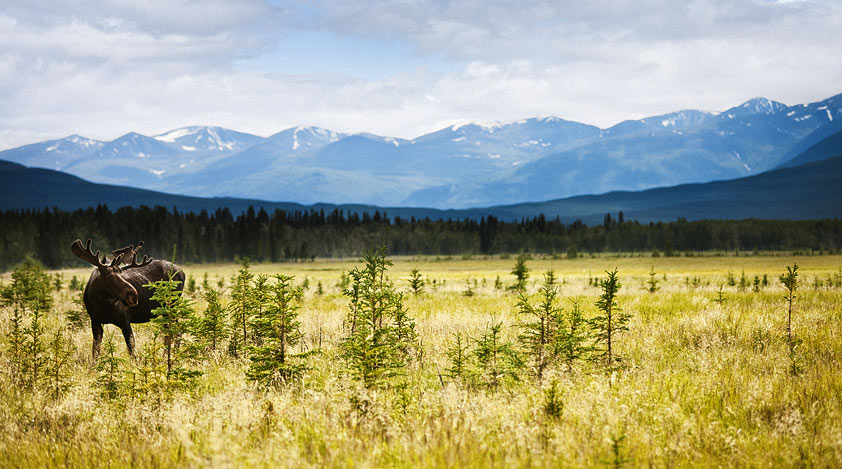
- Encounter abundant wildlife including moose, bears, wolves and eagles
- Experience extreme seasons from midnight sun to snow-covered winter wonderlands
- Discover First Nations culture woven into daily life across the territory
1. A Destination for Every Season
One of the most compelling reasons to include Yukon in your itinerary is its dramatic seasonal rhythm. Unlike destinations defined by a single peak period, Yukon transforms throughout the year, offering distinct experiences in every season.
Summer brings the phenomenon of the midnight sun, when daylight lingers well into the night. This extended light creates ideal conditions for hiking, canoeing and wildlife viewing, with alpine trails and river systems fully accessible. Autumn arrives quickly but spectacularly, painting the tundra and forests in gold and crimson while signalling the start of aurora season.
Winter dominates the calendar, stretching across nearly five months. Frozen lakes become highways and playgrounds, snow transforms towns into storybook scenes and the northern lights grow brighter against long polar nights. Spring then ushers in migration season, with birds returning and landscapes slowly reawakening under lengthening days. The timing of these seasonal shifts aligns perfectly with spring destinations across Canada, creating opportunities for multi-region itineraries.
2. An Outdoor Adventure Playground
Yukon's reputation as an adventure destination is well earned. With vast tracts of protected wilderness and minimal crowds, it offers space to explore without feeling rushed or over-managed.
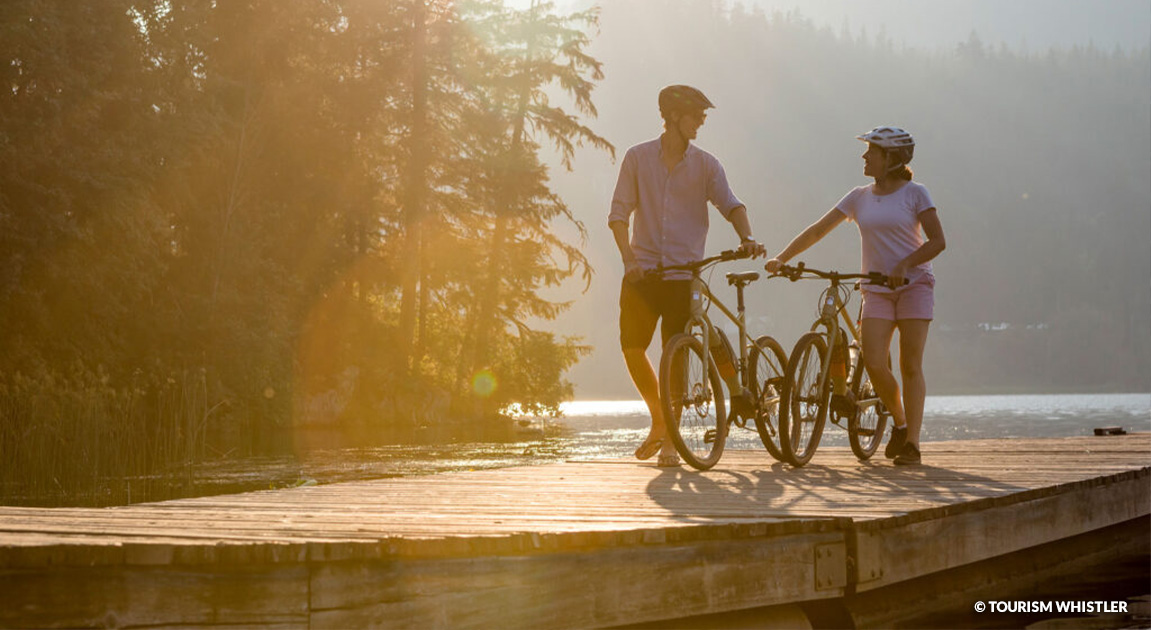
Winter activities include dog sledding, cross-country skiing and snowmobiling across frozen valleys. As snow melts, trails reopen for hiking, cycling and multi-day trekking routes that wind through mountain passes and river corridors. Paddling the Yukon River remains one of the most iconic experiences, echoing the journeys of early explorers and prospectors.
For travellers who prefer guided experiences, local operators provide safe access to remote areas while sharing insight into the land, wildlife and survival skills shaped by northern life.
3. Unspoilt Nature and Remarkable Wildlife
Around 80 percent of Yukon remains untouched wilderness, making it one of the most pristine regions in North America. This scale of intact habitat supports wildlife populations that often outnumber people, offering rare opportunities for meaningful encounters.
Moose are a common sight near waterways, while black and grizzly bears roam forested regions. Wolves, foxes and coyotes move across open landscapes, and bald eagles are frequently seen soaring above rivers and valleys. For wildlife enthusiasts, Yukon delivers sightings that feel organic rather than orchestrated. These encounters complement the experiences found in Canada's national parks, where conservation efforts ensure sustainable wildlife viewing opportunities.
National parks and conservation areas protect much of this environment, ensuring that tourism remains low-impact and focused on preservation rather than volume.
4. Living History and Gold Rush Legacy
Yukon's past is not confined to museums. It lives on in towns, traditions and landscapes shaped by human resilience. First Nations cultures remain central to the territory, with Indigenous communities making up roughly a quarter of the population. Their traditions, art and stories are embedded into daily life, from place names to cultural centres and guided experiences.
The Klondike Gold Rush left an indelible mark on the region, particularly in Dawson City, once one of the largest settlements west of Winnipeg. Boardwalk streets, preserved saloons and heritage buildings offer insight into a pivotal moment in Canadian history, when fortune seekers flooded north in search of gold.
5. Northern Lights Like Nowhere Else
Yukon is one of the world's premier destinations for aurora viewing. Its northern latitude places many communities directly beneath the auroral oval, creating optimal conditions for viewing this natural phenomenon.
The Aurora Borealis season typically runs from mid-August through April, with peak visibility during winter months. Minimal light pollution and dry, cold air combine to produce vivid displays that ripple across the night sky. Unlike more crowded aurora destinations, Yukon offers space and stillness, allowing the experience to feel personal and unfiltered. These northern light conditions rival those found in Alaska's wilderness regions, creating excellent opportunities for cross-border aurora adventures.
Whitehorse and Yukon's Communities
Yukon's capital, Whitehorse, serves as the cultural and logistical hub of the territory. Despite its modest size, Whitehorse offers galleries, museums, cafés and riverside walks that reflect both modern life and northern heritage.
Smaller communities across Yukon provide insight into remote living and regional identity. Travelling between them reveals expansive landscapes punctuated by mountain ranges, glacial rivers and open tundra.
Expert Travel Tips
- Visit between August and March for the best chance of seeing the northern lights
- Pack layers year-round, as temperatures can shift quickly even in summer
- Guided tours enhance safety and understanding in remote areas
- Winter road travel requires confidence and preparation
- Combine Yukon with Alaska or Western Canada for a balanced itinerary
Traveller Experiences
"We watched the northern lights dance for hours without another soul around. It felt surreal and deeply peaceful." – Michael T., 2023
"Dawson City was like stepping back in time. The history felt alive, not staged." – Rebecca L., 2022
"Our wildlife sightings in Yukon surpassed anything we experienced elsewhere in Canada." – James and Claire W., 2024
References
Destination Canada
- Travel Yukon
- Parks Canada
- Government of Yukon Tourism
Yukon adds scale, silence and soul to a Canada holiday, offering experiences that feel both grounding and unforgettable. From glowing auroras to living history and boundless wilderness, this northern territory rewards travellers willing to venture further. Picture yourself beneath dancing northern lights with snow crunching underfoot and the vast Arctic sky stretching endlessly above. Our Canada travel packages bring together Yukon's wilderness with the country's most remarkable destinations.