Chasing the Northern Lights in Canada: Yukon, Northwest Territories and Manitoba
Posted by on 18 Dec 2025
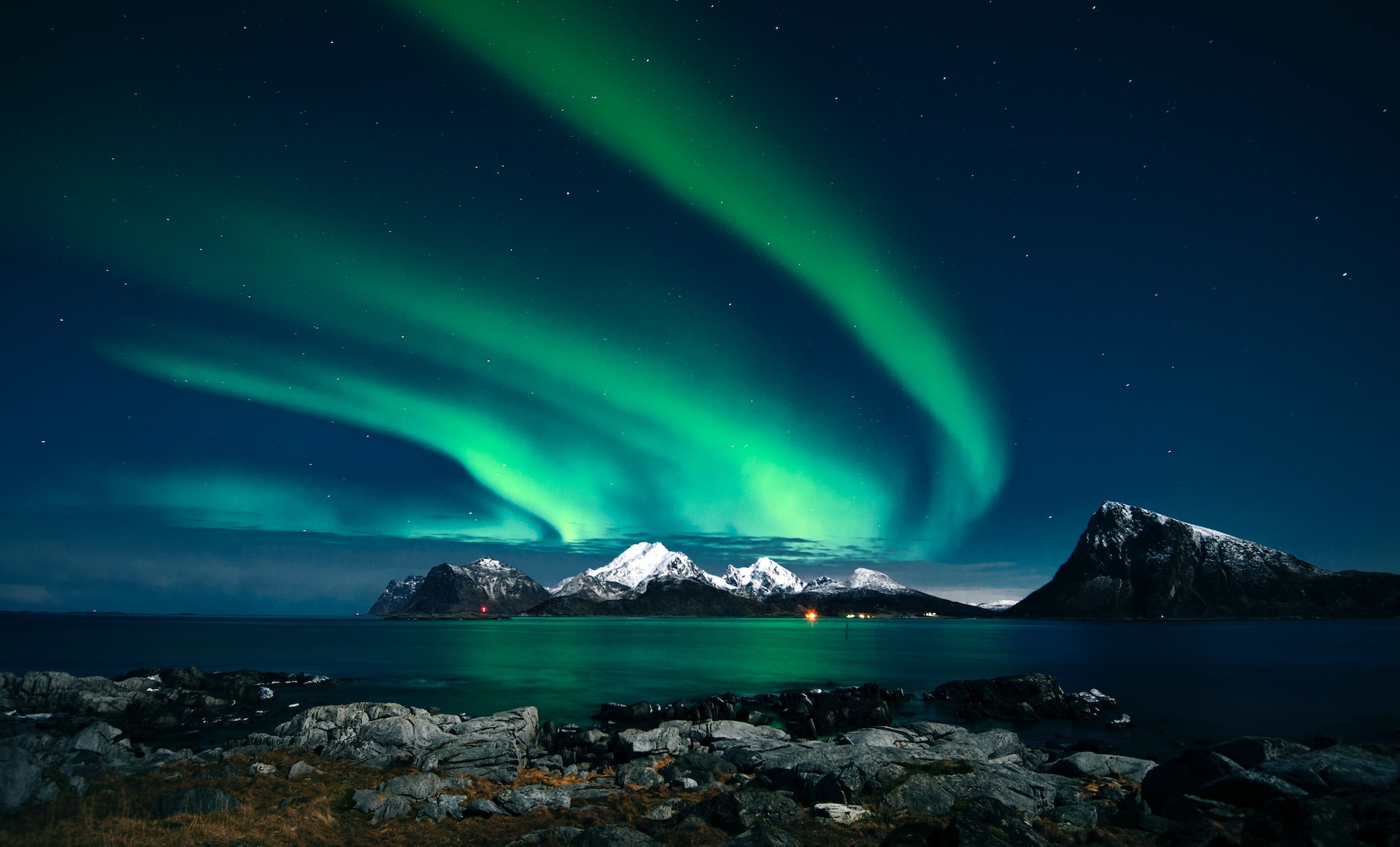
Planning a winter escape to Canada’s far north? Chasing the Northern Lights in Canada is one of the most unforgettable ways to experience the country at its most raw and beautiful. In the Yukon, Manitoba and the Northwest Territories, winter brings vast skies, long nights and remote landscapes where the aurora borealis appears with remarkable frequency. When paired with snow-covered wilderness, Indigenous culture and immersive Arctic experiences, the journey becomes about far more than the night sky alone.
This guide explores how to experience the Northern Lights in the Yukon, Manitoba and the Northwest Territories, focusing on Whitehorse, Churchill and Yellowknife as key bases, along with the wilderness lodges and Arctic retreats that Entire Travel Group features in its winter Canada offerings. Along the way, you will also discover why Northern Lights travel in Canada is defined just as much by daytime adventure and quiet moments as it is by glowing skies after dark.
Fun Trivia
The Yukon and the Northwest Territories sit directly beneath the auroral oval, giving them some of the highest aurora visibility rates in the world
Yellowknife records aurora sightings on an estimated 240 nights per year
Churchill, Manitoba is considered one of the top places in the world to see the Northern Lights, thanks to its high latitude at just under 59°N and minimal light pollution
Winter temperatures can dip well below freezing, yet cold, dry air often produces clearer skies for aurora viewing
Many wilderness lodges are designed with outdoor decks and large windows specifically for watching the lights
The best aurora displays often occur late at night or in the early hours of the morning
Why Northern Canada Is One of the Best Places to See the Aurora
Few destinations compare to Northern Canada when it comes to reliable aurora viewing. The combination of geography, climate and limited light pollution makes the region ideal for seeing the aurora borealis in vivid colour and motion. Winter enhances these conditions further, offering longer hours of darkness and clearer skies.
Unlike destinations where aurora sightings may only last a single night or a brief window, Northern Lights in Canada allow travellers to spend several nights in one location. This significantly improves the likelihood of seeing the lights and creates a more relaxed overall experience. Entire Travel Group itineraries are designed with this rhythm in mind, ensuring that every day and night adds value to the journey.
“We stayed for several nights and saw the lights more than once. Each display felt completely different, like the sky was constantly changing its mind.” – Sarah M., 2024
The Yukon in Winter: Wilderness, Culture and Auroras
Whitehorse is one of the most popular gateways to the Yukon and a standout base for aurora viewing. Its location offers wide open skies, manageable winter conditions and access to remote wilderness areas just beyond town. Many travellers choose to stay in lodges outside Whitehorse, where minimal light pollution creates excellent viewing conditions.
Winter days in the Yukon are filled with classic winter experiences. Dog sledding in the Yukon remains a favourite, offering a hands-on way to explore frozen forests and learn about a traditional mode of transport. Snowshoeing and cross-country skiing provide quieter ways to move through the landscape, while wildlife sightings can include moose, foxes and caribou.
Whitehorse itself adds cultural depth to the journey. Museums, heritage sites and local galleries offer insight into the region’s Indigenous cultures and gold rush history, grounding your Yukon experience in stories of resilience and adaptation.
“Dog sledding through the forest was incredible, but learning about local history in Whitehorse made the trip feel complete.” – James T., 2023
Under the Aurora Dome in the Northwest Territories
In the Northwest Territories, winter experiences are often centered around Yellowknife, a city internationally recognised for its aurora viewing. Located directly beneath the auroral oval, Yellowknife benefits from long winter nights and consistently clear skies.
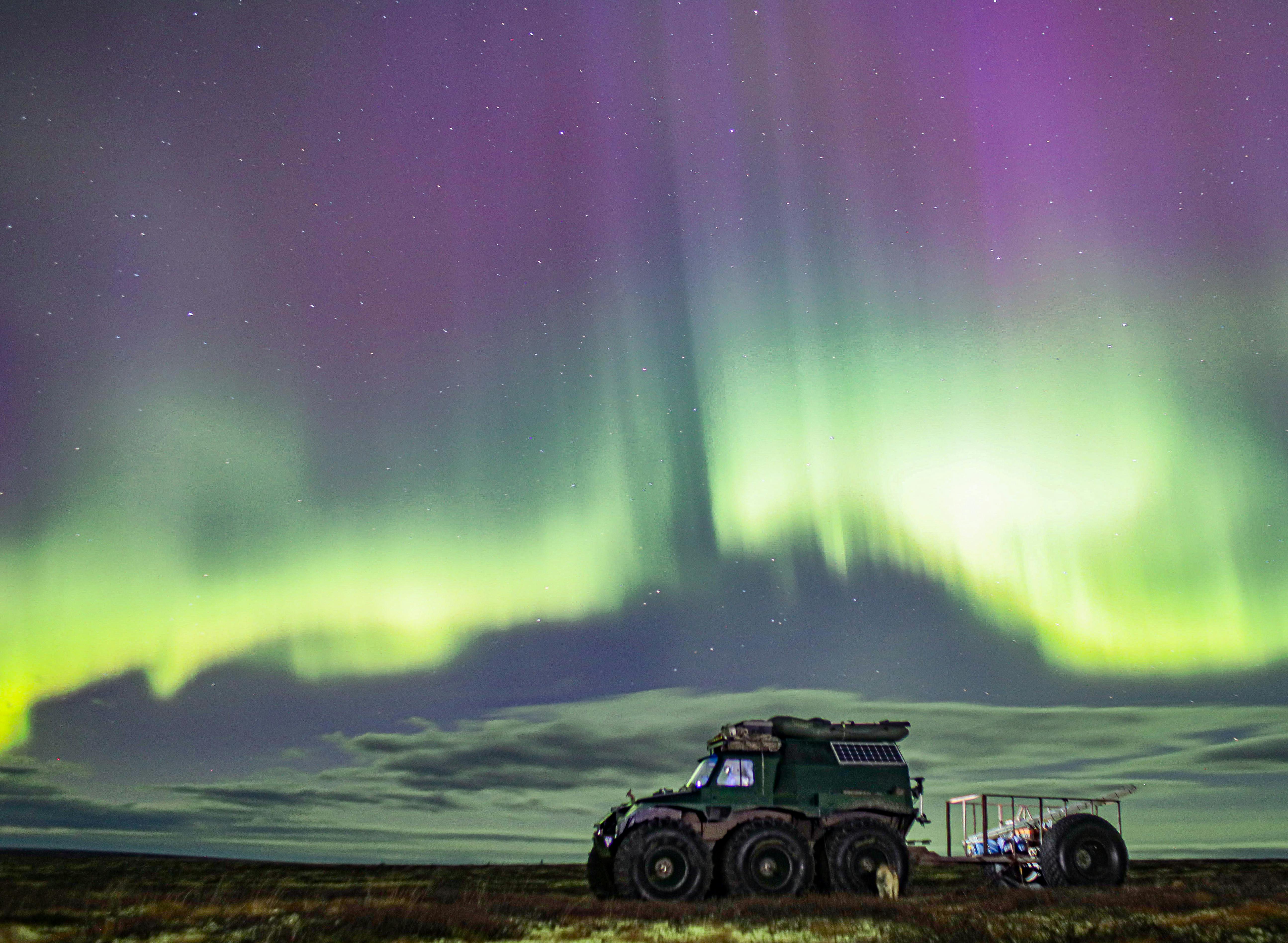
Aurora viewing in the Yukon takes place in heated teepees and sky domes, or on guided Aurora Hunting tours that track weather and solar activity to maximise sightings. These experiences allow travellers to enjoy the spectacle in warmth and comfort while immersed in the northern wilderness.
Daytime reveals another side of life in Yellowknife, and winter comes alive with authentic northern experiences. Snowshoe across frozen lakes and wander through pristine boreal forests or try your hand at ice fishing on the crystal-clear waters. Dog sledding offers an exhilarating way to explore the snowy landscape, while guided cultural encounters with local Indigenous hosts reveal traditions and stories shaped by generations.
“Standing outside Yellowknife under the aurora was unforgettable. The stillness, the cold air and the colours overhead made everything feel heightened.” – Daniel R., 2024
Staying in Wilderness Lodges and Arctic Retreats
Accommodation plays a defining role in Northern Lights travel. Entire Travel Group works with carefully selected wilderness lodges and remote cabins that balance isolation with comfort. These properties are designed to embrace winter, offering warm interiors, hearty meals and thoughtful touches that make cold nights enjoyable rather than challenging.
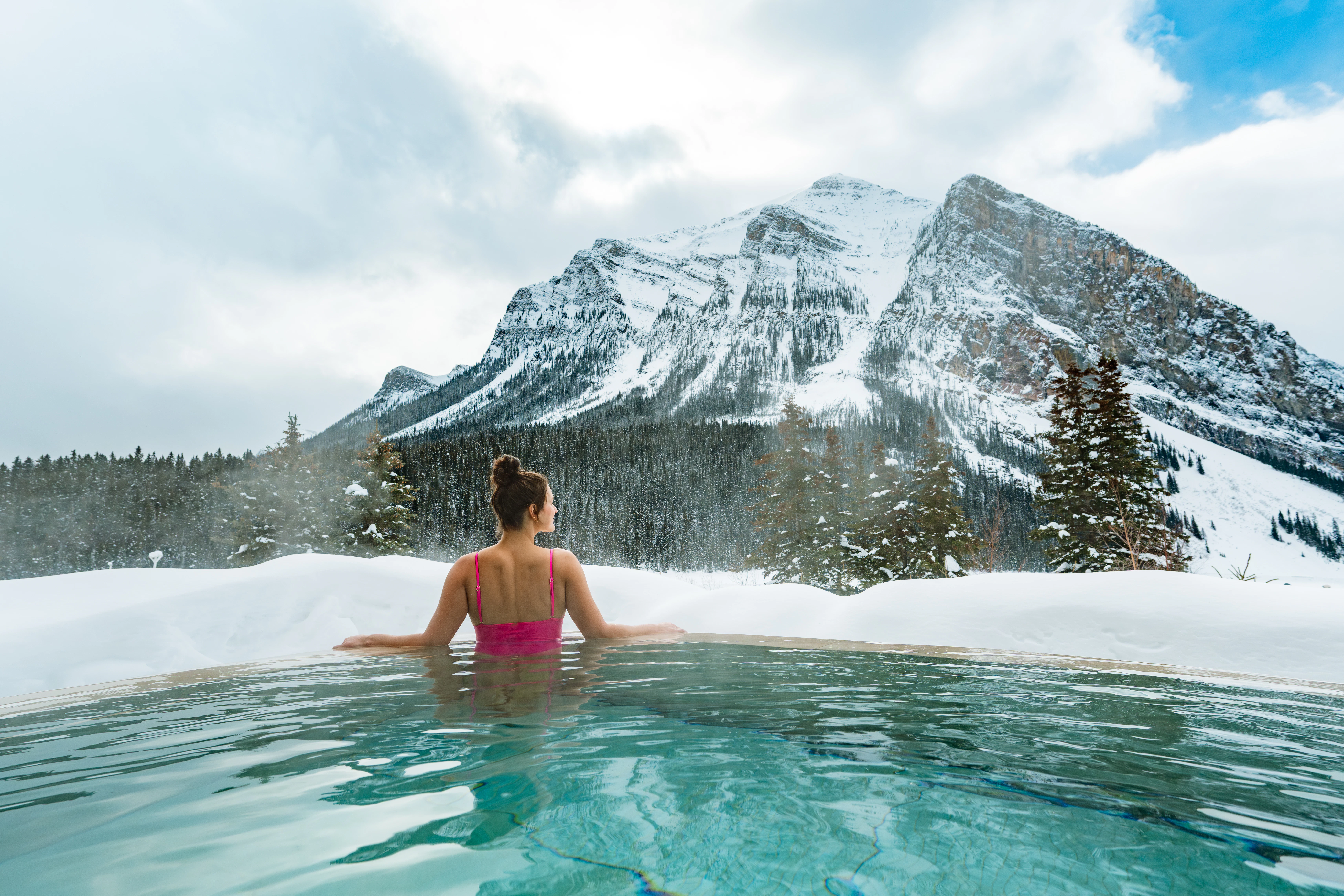
Outdoor hot tubs, saunas and fire pits are common features, allowing travellers to enjoy winter evenings while staying warm. Large windows and outdoor decks ensure that aurora viewing is always close at hand, even when temperatures drop.
Embracing the Pace of Arctic Winter
Winter in the far north encourages a slower rhythm. Shorter days and long nights create space for quiet moments, shared meals and unhurried exploration. This pace is central to the appeal of Arctic winter travel in Canada, where the journey is about immersion rather than ticking off attractions.
Rather than chasing the aurora from place to place, travellers are encouraged to settle in, observe and connect with their surroundings. The result is an experience that feels both adventurous and restorative.
Expert Travel Tips for Northern Lights Journeys
Travel between late November and March for the best balance of darkness and accessibility
Dress in thermal layers and invest in insulated boots and accessories designed for Arctic conditions
Stay multiple nights in each destination to improve aurora viewing chances
Choose accommodation outside major towns for darker skies
Remain flexible, as aurora activity depends on solar conditions and weather
Frequently Asked Questions
Do Australians need a visa to visit Canada?
Australian passport holders usually need an Electronic Travel Authorisation. Check the official Government of Canada website for current entry requirements and application details.
What is the best time to see the Northern Lights in Canada?
Late November to March offers the longest nights and best aurora conditions, according to Destination Canada.
How cold does it get in the Yukon and Northwest Territories?
Winter temperatures can range from minus 10 to minus 30 degrees Celsius. Official tourism sites such as Yukon Tourism and Northwest Territories Tourism provide seasonal climate guides.
Are aurora sightings guaranteed?
No destination can guarantee aurora sightings. Solar activity and weather play a major role, though staying multiple nights increases your chances.
Is Northern Canada suitable for first-time winter travellers?
Yes, particularly when travelling with experienced operators. Government travel advice and local tourism boards highlight the importance of guided experiences and proper preparation.
What should I pack for an Arctic winter holiday?
Thermal base layers, insulated outerwear, waterproof boots and cold-weather accessories are essential. Many lodges also provide additional gear.
Can I combine the Yukon and Northwest Territories in one trip?
Yes. Entire Travel Group offers curated winter journeys that include both the Yukon and the Northwest Territories, with transport, accommodation and key experiences thoughtfully arranged as part of a seamless itinerary.
Are daytime activities included in Northern Lights itineraries?
Most winter itineraries include daytime experiences such as dog sledding, snowshoeing and cultural tours, depending on location and season.
Begin Your Northern Lights Journey in Canada
Chasing the aurora across Northern Canada is more than a bucket list experience. It is a journey into landscapes shaped by ice, light and time, where winter reveals a quieter and more profound side of the country.
If you are ready to explore the Yukon and the Northwest Territories under glowing Arctic skies, explore our travel packages and experience Canada’s far north at its most magical.