Planning a journey through France that blends culture, history and world-class wine? The Loire Valley and Champagne regions offer one of the country's most rewarding combinations of heritage landscapes, culinary excellence and refined travel experiences. Located within easy reach of Paris, these neighbouring regions invite travellers to slow down and explore France beyond the capital, where Renaissance châteaux rise above riverbanks and vineyard-lined hills produce some of the world's most celebrated wines.
From the elegant châteaux of the Loire to the chalk cellars of Champagne, this journey reveals a side of France defined by craftsmanship, tradition and timeless beauty. Whether you are drawn by architecture, gastronomy or scenic countryside, travel to the Loire Valley and Champagne offers a richly layered experience that suits both first-time visitors and seasoned Francophiles.
Trip Highlights
- Explore Loire Valley châteaux including Chenonceau, Blois and Azay-le-Rideau.
- Walk through historic Champagne towns such as Reims and Épernay.
- Visit renowned Champagne houses and underground cellars.
- Sample regional cuisine paired with Loire Valley wines and Champagne.
- Enjoy scenic drives, riverside walks and vineyard landscapes.
Why Visit the Loire Valley and Champagne Together
Travelling through the Loire Valley and Champagne creates a natural and balanced itinerary. Both regions are close to Paris yet feel distinct in character. The Loire Valley is known for its romantic landscapes, Renaissance architecture and relaxed pace, while Champagne offers stately cities, historic cathedrals and a deep connection to wine heritage.
Together, they provide a journey through French history that spans medieval royalty, royal courts, monastic winemaking traditions and modern French gastronomy. For travellers seeking cultural depth without long travel times, this pairing is both practical and deeply rewarding.
The Loire Valley: Castles, Gardens and River Landscapes
Often referred to as the Garden of France, the Loire Valley stretches along France's longest river and is recognised as a UNESCO World Heritage listed cultural landscape. Its fertile soils, mild climate and strategic position once attracted French royalty, resulting in an extraordinary concentration of castles and estates.
Iconic Châteaux of the Loire Valley
The Loire Valley is home to more than 300 châteaux, each reflecting different eras of French history.
- Château de Chenonceau spans the River Cher with elegant arches and refined gardens. Its history is closely tied to influential women of the French court.
- Château de Blois offers a layered architectural story, combining Gothic, Renaissance and Classical styles within one complex.
- Château d'Azay-le-Rideau is admired for its symmetry and reflection in the surrounding moat, making it one of the most photographed sites in the region.
These castles are not isolated monuments but part of living landscapes, often surrounded by villages, vineyards and gardens that invite exploration beyond the gates. The 10 fairytale châteaux showcase the very best of Renaissance architecture and romantic French history.
Gardens and Scenic Estates
The Loire Valley's reputation for gardens is well earned. The formal gardens of Villandry are among the most famous in France, showcasing geometric designs that change with the seasons. Beyond grand estates, smaller manor houses and riverside parks provide opportunities for relaxed walks and quiet moments in nature.
Cycling paths and walking trails follow the Loire River, allowing travellers to experience the region at a gentle pace while taking in views of vineyards, forests and historic towns.
Loire Valley Wine and Regional Cuisine
While architecture draws many visitors, Loire Valley wine and cuisine are equally compelling. The region produces a diverse range of wines, including crisp Sauvignon Blancs from Sancerre, elegant Chenin Blancs from Vouvray and light Pinot Noir reds.
A Distinctive Wine Region
The Loire's cooler climate contributes to wines that are fresh, aromatic and food friendly. Many vineyards are family run and rooted in centuries of winemaking tradition. Tasting experiences often take place in cellars carved into limestone hillsides, offering insight into both geology and history.
Local Food Traditions
Loire Valley cuisine celebrates seasonal produce and regional specialities. Goat cheese, freshwater fish, orchard fruits and artisanal breads are common features on menus. Meals here tend to be relaxed and unpretentious, focusing on flavour rather than formality.
Markets in towns such as Tours and Amboise provide an authentic glimpse into daily life and offer opportunities to sample local products directly from producers. Similar to the best villages in Provence, these market towns maintain their traditional French charm while welcoming visitors.
Champagne: History, Cathedrals and Celebrated Vineyards
North east of Paris, the Champagne region is synonymous with celebration, yet its history extends far beyond sparkling wine. This is a land shaped by kings, monasteries and meticulous craftsmanship.
Reims: Coronation City of Kings
Reims is home to Notre-Dame de Reims, the cathedral where French kings were traditionally crowned. Its Gothic façade and stained glass windows make it one of France's most significant religious buildings. The surrounding city blends Roman heritage with modern cafés and leafy boulevards.
Épernay and the Avenue de Champagne
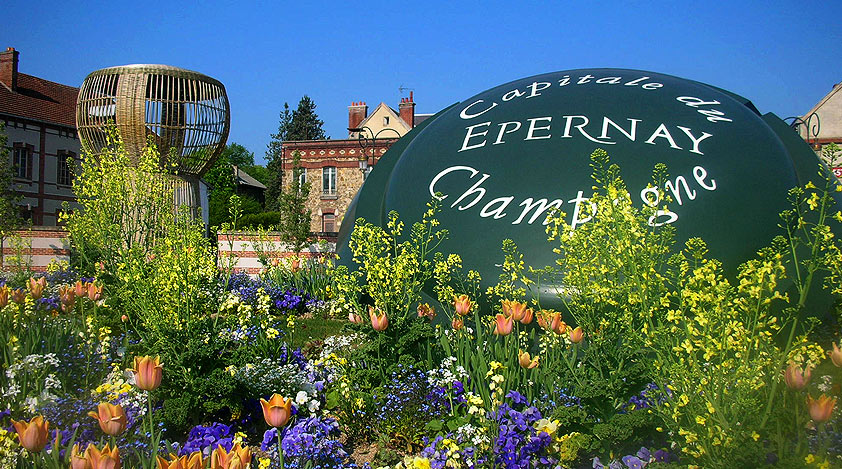
Épernay is often described as the capital of Champagne. Its famous Avenue de Champagne is lined with grand maisons whose cellars stretch for kilometres beneath the streets. These chalk cellars provide ideal conditions for ageing Champagne and are central to the region's identity.
Many Champagne houses welcome visitors for guided tours that explain the production process, from vineyard to bottle, while highlighting the patience and precision required to create each cuvée.
Champagne Wine Culture and Production
Understanding Champagne adds depth to every glass. The region's chalky soils, cool climate and strict production methods distinguish Champagne from other sparkling wines.
Vineyard Landscapes
Rolling hills dotted with vineyards surround villages and towns across the region. The Montagne de Reims and Vallée de la Marne are particularly scenic, with viewpoints offering sweeping views across vine covered slopes.
The Champagne Method
Champagne production follows traditional methods regulated by French and European law. Visitors gain insight into harvesting, blending and secondary fermentation, often within historic cellars that have been in use for centuries.
Tastings are typically structured and informative, encouraging appreciation of style and craftsmanship rather than quantity. The experience mirrors wines and sights in Burgundy, where tradition and terroir create wines of exceptional character.
Expert Travel Tips
- Visit between May and September for mild weather and extended daylight, though autumn brings vineyard colours and fewer crowds.
- Consider travelling by train between Paris, Reims and Tours, then using local transport or guided tours to reach rural areas.
- Book château visits and Champagne cellar tours in advance, especially during peak travel months.
- Dress comfortably for walking, as many historic sites involve cobblestone streets and expansive gardens.
- Pace tastings responsibly and balance wine experiences with cultural and scenic activities.
Traveller Experiences
"We loved how peaceful the Loire felt compared to Paris. Wandering through gardens and stopping at small villages made the trip feel unhurried and personal."
– Traveller from Melbourne, visited September
"The Champagne cellars were fascinating. Learning how much time and skill goes into each bottle gave us a whole new appreciation for the region."
– Couple from Sydney, visited June
"The combination of castles, wine and history made this one of our favourite parts of France."
– Traveller from Brisbane, visited May
For a complete French journey that extends beyond wine country, consider exploring the best wine regions of France, which showcase the country's diverse terroirs and winemaking traditions.
Picture yourself raising a glass of Champagne in cellars that have aged bottles for centuries, then strolling through formal gardens where French royalty once walked. Our France packages bring together these unforgettable moments with expert local guidance.